Seven Amazing Benefits of Apple Cider Vinegar
Apple cider vinegar (ACV) has transformed from a simple kitchen staple into one of the most researched natural health remedies of our time. This amber-colored liquid, created through the fermentation of crushed apples, contains powerful compounds that may support everything from weight management to heart health.
Recent studies show that the global apple cider vinegar market reached $1.3 billion in 2025, with health-conscious consumers driving demand for this ancient remedy. But what does science actually say about ACV’s benefits? Let’s explore the evidence-based advantages that make this fermented wonder so popular among health enthusiasts.
Understanding Apple Cider Vinegar: The Basics
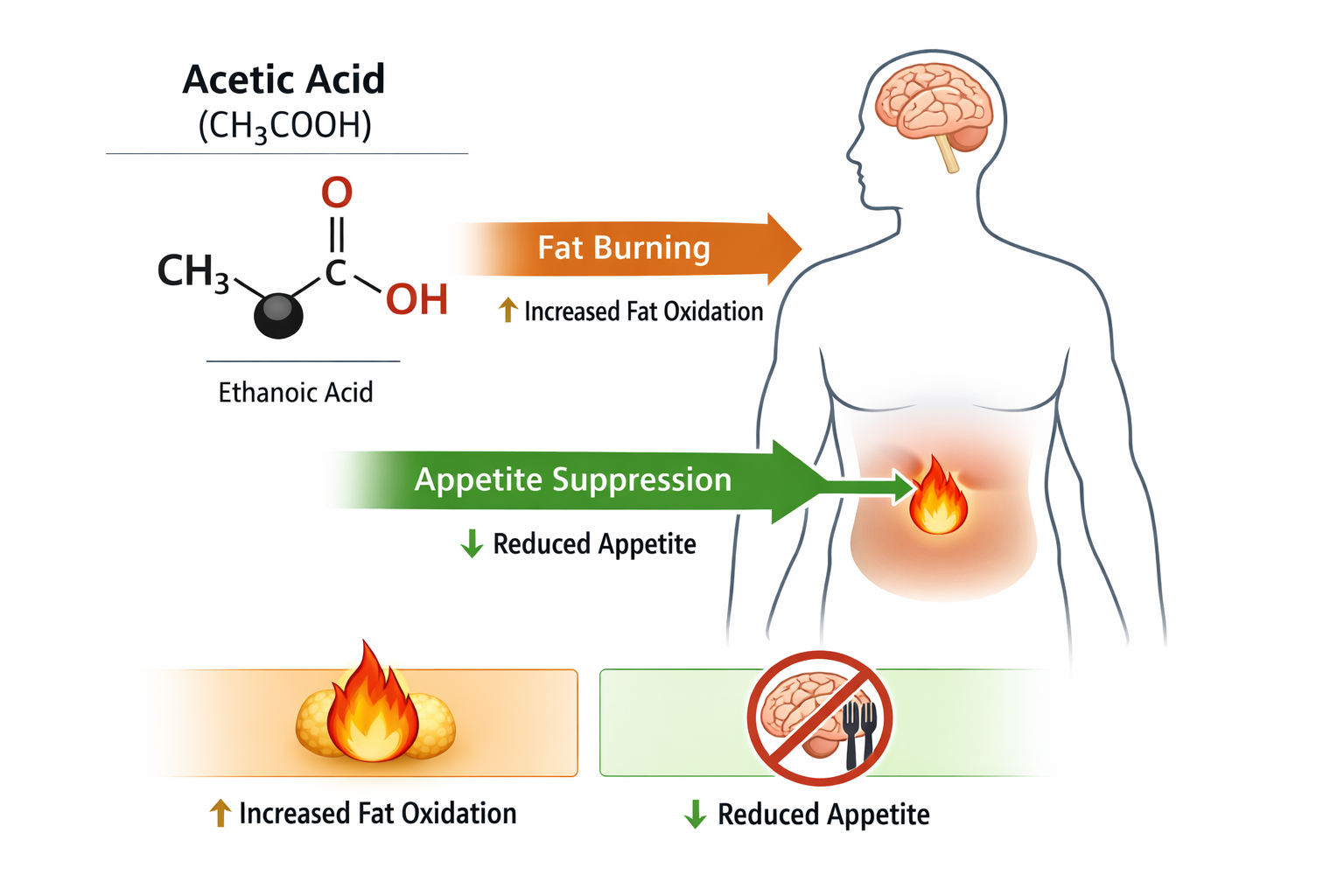
Apple cider vinegar forms through a two-step fermentation process. First, yeast converts apple sugars into alcohol. Then, beneficial bacteria transform the alcohol into acetic acid—the key compound responsible for most of ACV’s health benefits.
Quality matters significantly when choosing ACV. Look for:
- Unfiltered varieties containing “the mother” (beneficial bacteria and enzymes)
- Organic certification
- 5% acetic acid content
- Raw, unpasteurized formulations
The most potent health benefits come from raw, unfiltered ACV that retains its natural enzymes and beneficial compounds.
Weight Management and Metabolic Support
How ACV Influences Weight Loss
Research indicates that apple cider vinegar may support healthy weight management through several mechanisms:
Appetite Regulation: The acetic acid in ACV helps increase satiety hormones, leading to reduced calorie intake. A 2018 study found that participants who consumed ACV before meals reported feeling fuller for longer periods.
Metabolic Enhancement: ACV may boost fat oxidation and improve metabolic efficiency. Studies suggest it can increase the rate at which the body burns fat for energy.
Blood Sugar Stabilization: By improving insulin sensitivity, ACV helps prevent blood sugar spikes that often trigger cravings and overeating.
Practical Weight Management Tips
- Mix 1-2 tablespoons of ACV in 8 ounces of water
- Consume 15-20 minutes before meals
- Start with smaller amounts to assess tolerance
- Combine with a balanced diet and regular exercise
Research shows modest but consistent results, with participants losing 2-4 pounds over 12 weeks when combining ACV with healthy lifestyle habits.
Digestive Health and Gut Support
Enhancing Digestive Function
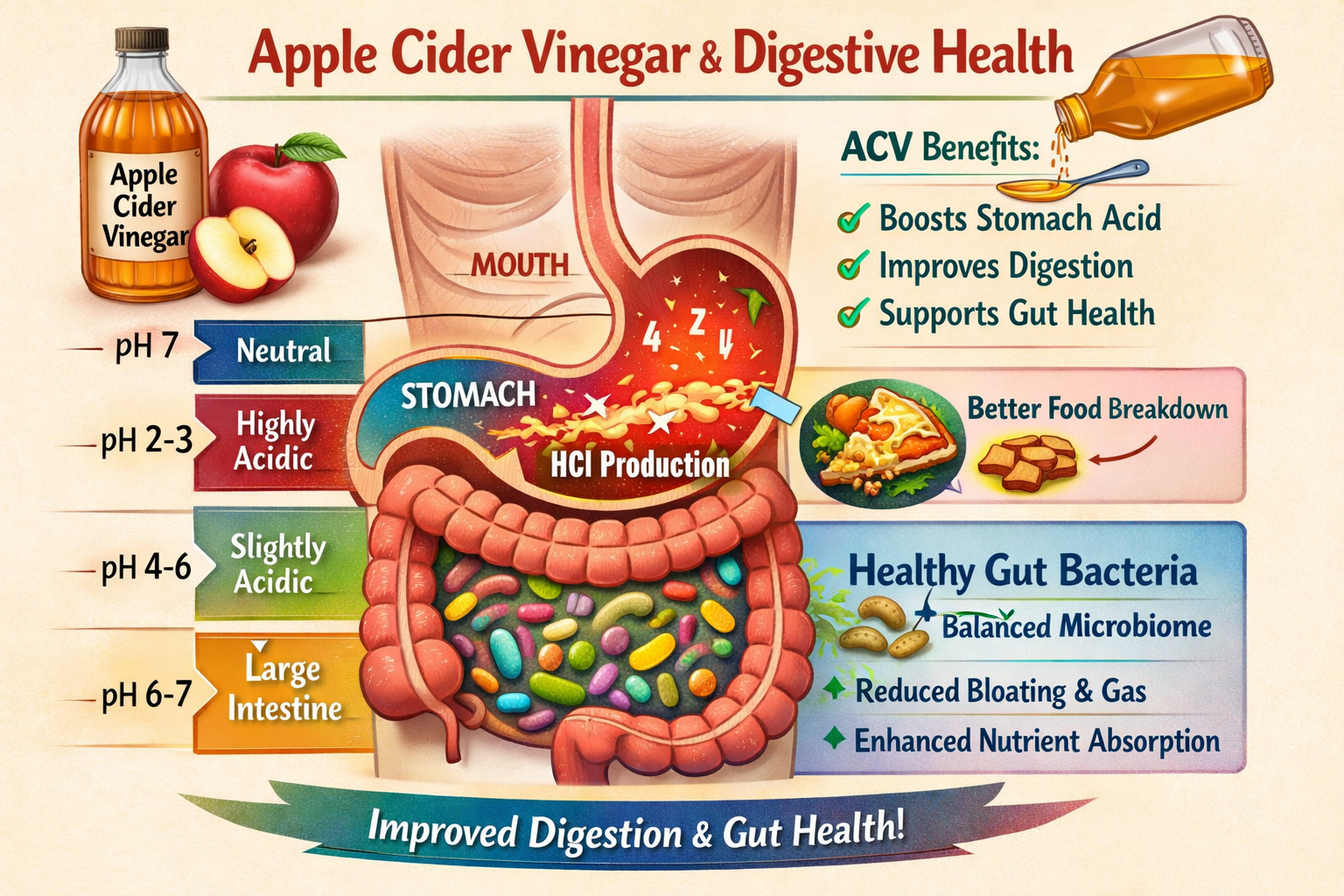
Apple cider vinegar acts as a natural digestive aid through multiple pathways:
Stomach Acid Optimization: Many digestive issues stem from low stomach acid production. ACV’s acidity helps restore optimal pH levels for protein digestion and nutrient absorption.
Enzyme Activation: The acidic environment created by ACV activates digestive enzymes, improving the breakdown of foods and reducing bloating.
Gut Microbiome Support: Preliminary research suggests ACV may promote beneficial bacteria growth while inhibiting harmful microorganisms.
Addressing Common Digestive Concerns
ACV may help with:
- Occasional heartburn (counterintuitive but effective for some)
- Bloating and gas
- Slow digestion
- Nutrient malabsorption
Always dilute ACV properly and start with small amounts to avoid digestive irritation.
Blood Sugar Control and Diabetes Management
The Science Behind Glucose Regulation
Multiple studies demonstrate ACV’s potential for blood sugar management:
Improved Insulin Sensitivity: A landmark 2004 study showed that ACV consumption improved insulin sensitivity by 19-34% in participants with insulin resistance.
Post-Meal Glucose Control: Taking ACV before carbohydrate-rich meals can reduce post-meal blood sugar spikes by 20-30%.
Dawn Phenomenon Reduction: Some research suggests bedtime ACV consumption may help reduce morning blood sugar elevations.
Important Considerations for Diabetics
- Consult healthcare providers before adding ACV to diabetes management plans
- Monitor blood sugar levels closely when starting ACV
- Adjust medication timing if necessary
- Never use ACV as a replacement for prescribed diabetes medications
Cardiovascular Health Benefits
Heart-Protective Properties
Emerging research suggests several cardiovascular benefits:
Cholesterol Management: Animal studies indicate ACV may help reduce LDL (bad) cholesterol while supporting HDL (good) cholesterol levels.
Blood Pressure Support: The potassium content in ACV, combined with its acetic acid, may contribute to healthy blood pressure levels.
Antioxidant Protection: ACV contains polyphenols and other antioxidants that help protect blood vessels from oxidative damage.
Supporting Heart Health Naturally
While promising, cardiovascular benefits require more human research. ACV works best as part of a heart-healthy lifestyle including:
- Regular physical activity
- Balanced nutrition
- Stress management
- Adequate sleep
Anti-Inflammatory and Antioxidant Effects
Reducing Systemic Inflammation
Chronic inflammation underlies many health conditions. ACV’s anti-inflammatory properties may help:
Antioxidant Activity: ACV contains chlorogenic acid and other polyphenols that neutralize harmful free radicals.
Inflammatory Marker Reduction: Some studies suggest regular ACV consumption may lower inflammatory markers like C-reactive protein.
Cellular Protection: The antioxidants in ACV help protect cells from oxidative stress and premature aging.
Potential Applications
Anti-inflammatory effects may benefit:
- Joint health and mobility
- Skin conditions
- Cardiovascular health
- Overall aging processes
Beauty and Skincare Applications
Natural Skincare Benefits
ACV’s antimicrobial and pH-balancing properties make it popular for:
Acne Management: The antibacterial properties may help reduce acne-causing bacteria when properly diluted.
pH Balance Restoration: Skin naturally maintains a slightly acidic pH. ACV can help restore this balance after using alkaline cleansers.
Natural Toning: Diluted ACV acts as a gentle astringent, helping tighten pores and remove excess oil.
Safe Skincare Practices
- Always dilute ACV (1 part ACV to 3-4 parts water)
- Perform patch tests before full application
- Start with lower concentrations
- Avoid contact with eyes and broken skin
- Follow with moisturizer to prevent over-drying
Hair Care and Scalp Health
Promoting Healthy Hair
ACV offers several hair and scalp benefits:
Clarifying Properties: Removes product buildup and mineral deposits from hard water.
pH Restoration: Helps restore hair’s natural pH, leading to smoother, shinier strands.
Scalp Health: May help address dandruff and itchy scalp conditions.
DIY Hair Rinse Recipe
- Mix 2-4 tablespoons ACV with 1 cup water
- Apply after shampooing
- Let sit for 2-3 minutes
- Rinse thoroughly with cool water
- Use 1-2 times per week
Safety Guidelines and Best Practices
Proper Usage and Dosage
Recommended Amounts:
- Start with 1 teaspoon daily
- Gradually increase to 1-2 tablespoons
- Always dilute in water or other beverages
- Never consume undiluted ACV
Important Safety Considerations
Potential Side Effects:
- Tooth enamel erosion (use straws, rinse mouth after)
- Digestive upset in sensitive individuals
- Possible drug interactions
- Skin irritation if used undiluted
Who Should Exercise Caution:
- People with gastroparesis
- Those taking diabetes medications
- Individuals with kidney disease
- Anyone with chronic health conditions
Choosing Quality Apple Cider Vinegar
What to Look For
Premium Quality Indicators:
- Contains “the mother” (cloudy, web-like substance)
- Organic certification
- Raw and unfiltered
- Glass bottle packaging
- 5% acetic acid content
Storage and Handling
- Store in cool, dark places
- Refrigeration not required but acceptable
- Shake before use to distribute “the mother”
- Use within 2-3 years for best quality
Incorporating ACV into Daily Routines
Simple Integration Methods
Morning Routine:
- Add to warm water with lemon and honey
- Include in morning smoothies
- Take before breakfast for appetite control
Meal Preparation:
- Use in salad dressings
- Add to marinades
- Include in homemade pickles
Evening Options:
- Dilute in herbal tea
- Add to bedtime wellness drinks
- Use in relaxing bath soaks (for skin benefits)
The Bottom Line on Apple Cider Vinegar Benefits
Apple cider vinegar offers numerous potential health benefits backed by growing scientific research. From supporting weight management and blood sugar control to promoting digestive health and providing antioxidant protection, ACV deserves its reputation as a versatile natural remedy.
However, ACV isn’t a magic solution. The most significant benefits occur when combined with healthy lifestyle choices including balanced nutrition, regular exercise, adequate sleep, and stress management.
Start slowly, listen to your body, and consult healthcare providers before making significant changes to your health routine. When used properly, apple cider vinegar can be a valuable addition to a comprehensive approach to wellness.
Remember that quality matters—choose raw, unfiltered ACV with “the mother” for maximum benefits, and always prioritize safety by proper dilution and gradual introduction to your routine.