Five Incredible Benefits of Green Tea

Green tea has earned its reputation as one of the world’s most powerful health beverages, and for good reason. This ancient drink, crafted from the leaves of Camellia sinensis, delivers an impressive array of compounds that modern science continues to validate for their remarkable health benefits.
Unlike black tea, green tea undergoes minimal processing—the leaves are quickly steamed or pan-fired to prevent oxidation, preserving the delicate antioxidants that make this beverage so extraordinary. The result is a light, refreshing drink packed with catechins, particularly epigallocatechin-3-gallate (EGCG), which serves as the powerhouse behind many of green tea’s health benefits.
Recent research from 2025-2026 has expanded our understanding of green tea’s therapeutic potential, revealing new mechanisms through which this humble beverage supports human health. From metabolic enhancement to neuroprotection, the benefits of green tea extend far beyond what ancient practitioners could have imagined.
Green Tea’s Weight Loss and Metabolic Benefits
How Green Tea Accelerates Fat Burning
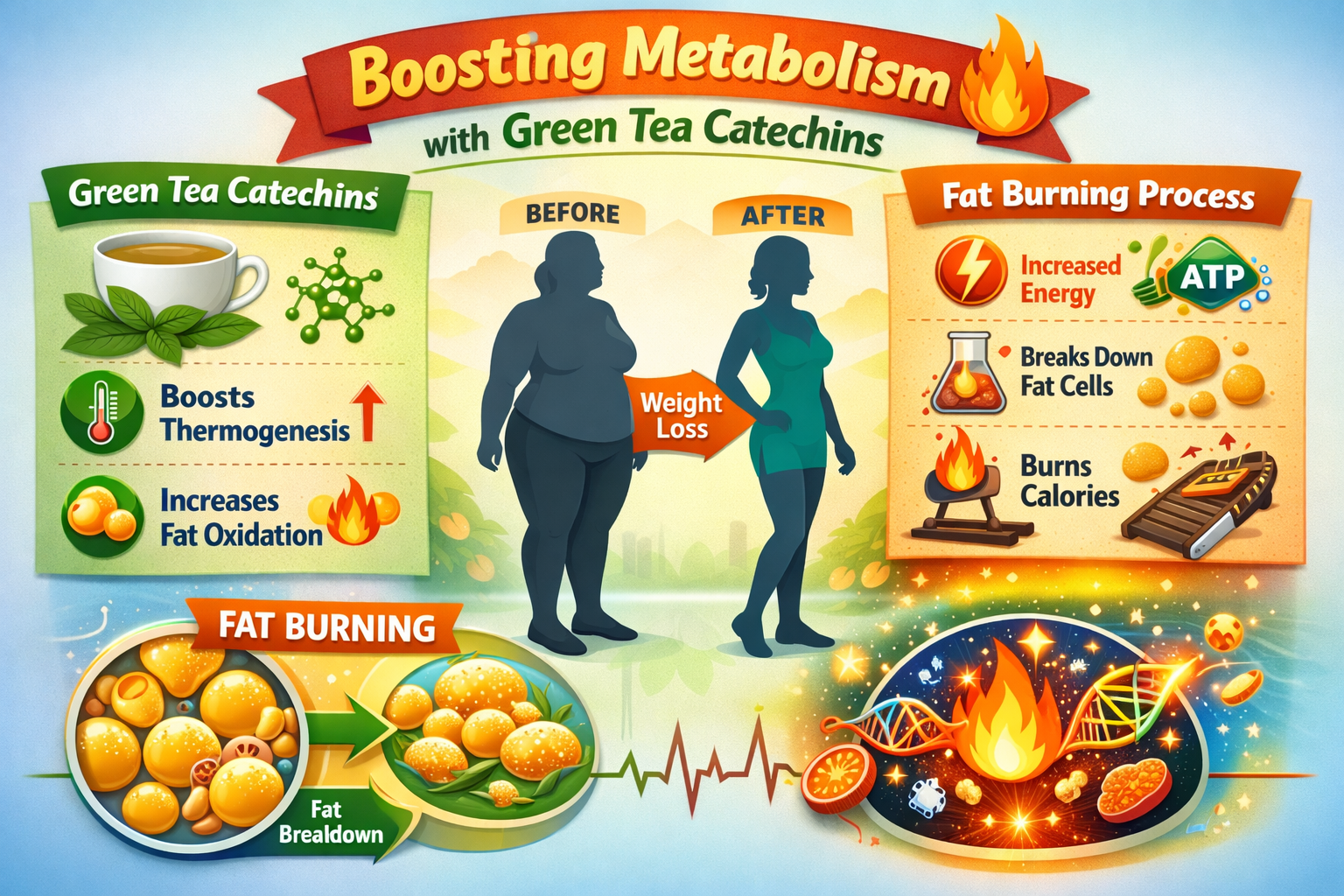
The weight management benefits of green tea stem from its unique combination of catechins and caffeine, which work synergistically to enhance metabolic function. EGCG specifically targets fat oxidation by inhibiting an enzyme that breaks down norepinephrine, a hormone that signals fat cells to break down fat.
Recent 2026 studies demonstrate that regular green tea consumption can:
- Increase metabolic rate by 4-5% throughout the day
- Enhance fat burning during exercise by up to 17%
- Preferentially target dangerous visceral fat around organs
- Improve insulin sensitivity, reducing fat storage
Clinical Evidence for Weight Loss
A comprehensive meta-analysis of 15 randomized controlled trials found that participants consuming green tea extract lost an average of 2.9 pounds more than control groups over 12 weeks. More impressively, those who combined green tea consumption with regular exercise saw a 25% greater reduction in abdominal fat compared to exercise alone.
The optimal dosage appears to be 2-3 cups daily, providing approximately 200-300mg of EGCG. However, timing matters—consuming green tea 30 minutes before meals can enhance the thermogenic effect and improve nutrient absorption.
Practical Tips for Maximum Metabolic Benefits
- Drink green tea between meals to avoid iron absorption interference
- Choose high-quality loose leaf teas for maximum catechin content
- Avoid adding milk, which can bind to antioxidants and reduce their effectiveness
- Consider cycling green tea consumption to prevent tolerance buildup
Cardiovascular Protection and Heart Health
Cholesterol Management Through Natural Compounds
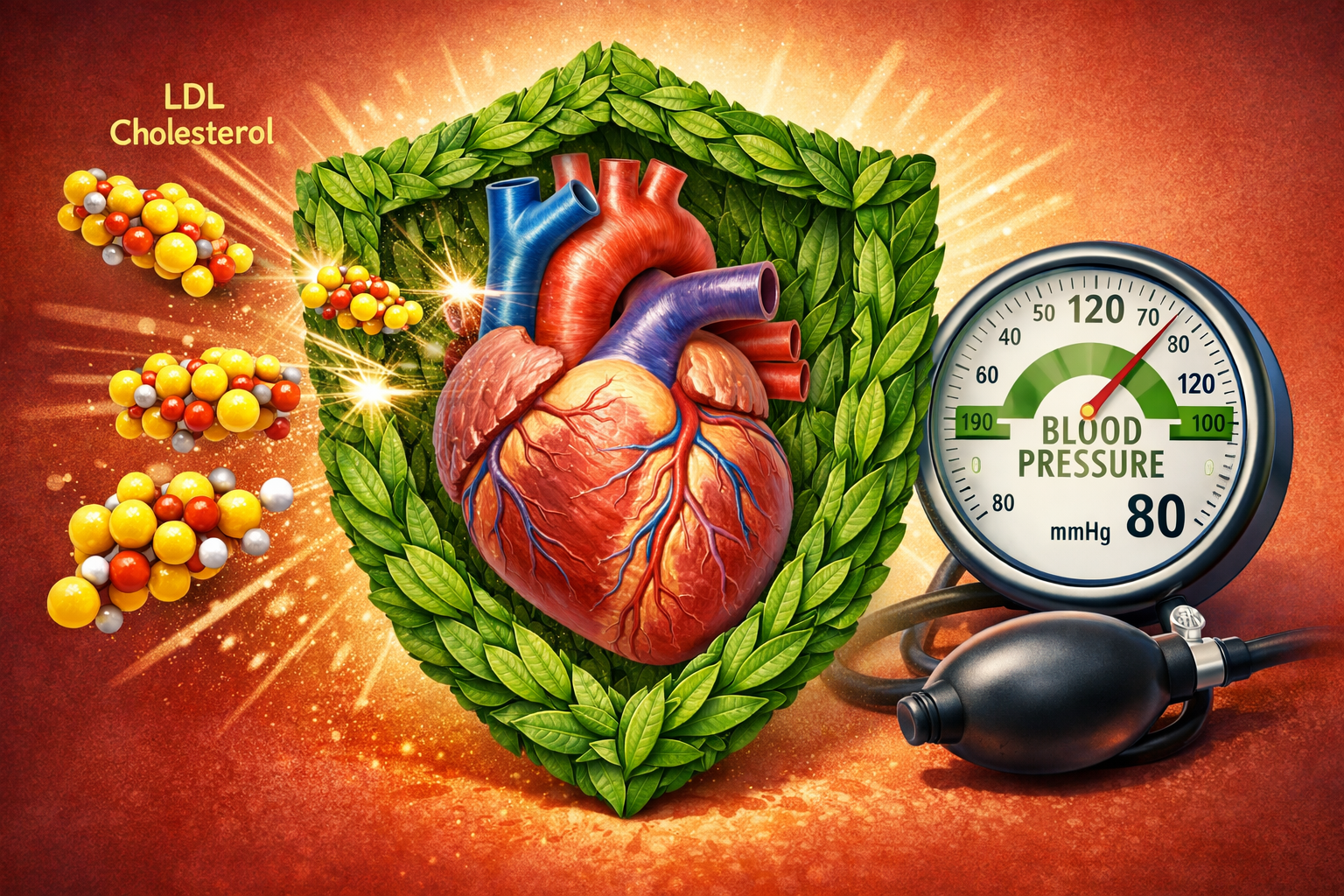
Green tea’s cardiovascular benefits extend beyond simple antioxidant activity. The catechins in green tea specifically target LDL (bad) cholesterol oxidation, preventing the formation of arterial plaques that lead to heart disease.
Research published in 2025 shows that regular green tea drinkers experience:
- 7-10% reduction in total cholesterol levels
- 15% decrease in LDL cholesterol oxidation
- Improved HDL (good) cholesterol ratios
- Enhanced endothelial function for better blood flow
Blood Pressure Regulation
The vasodilatory effects of green tea catechins help relax blood vessel walls, leading to measurable reductions in both systolic and diastolic blood pressure. A large-scale study of 76,000 participants found that those consuming 3+ cups daily had 36% lower risk of hypertension development.
Long-Term Cardiovascular Outcomes
Perhaps most compelling is the long-term data on cardiovascular mortality. The landmark Japanese study tracking 40,530 adults over 11 years revealed that high green tea consumption (5+ cups daily) was associated with:
- 26% lower risk of cardiovascular death
- 16% reduced risk of all-cause mortality
- 42% lower stroke risk in women
- Significant protection against coronary artery disease
These benefits appear to be dose-dependent, with greater protection observed at higher consumption levels, up to a plateau around 5-6 cups daily.
Cancer Prevention and Cellular Protection
The EGCG Advantage Against Cancer
EGCG demonstrates remarkable anti-cancer properties through multiple mechanisms. This powerful catechin can induce apoptosis (programmed cell death) in cancer cells while leaving healthy cells unharmed. It also inhibits angiogenesis—the formation of new blood vessels that tumors need to grow and spread.
Specific Cancer Types and Protection Rates
Recent epidemiological studies have identified particularly strong protective effects against certain cancers:
Breast Cancer: Women consuming the highest amounts of green tea showed 20-30% lower breast cancer risk, with the strongest protection against estrogen-receptor-positive tumors.
Colorectal Cancer: A 2025 meta-analysis of 29 studies found 27% reduced colorectal cancer risk among regular green tea consumers.
Prostate Cancer: Men drinking 5+ cups daily demonstrated 48% lower risk of advanced prostate cancer compared to non-consumers.
Lung Cancer: Even among smokers, green tea consumption was associated with 18% reduced lung cancer risk, though this doesn’t mitigate smoking’s overall cancer risk.
Cellular DNA Protection
Beyond preventing cancer initiation, green tea compounds actively repair DNA damage from environmental toxins, UV radiation, and normal cellular metabolism. This protective effect extends to all body systems, potentially slowing aging processes at the cellular level.
Cognitive Enhancement and Brain Health
Neuroprotective Mechanisms
Green tea’s brain benefits result from EGCG’s ability to cross the blood-brain barrier and directly interact with neural tissue. This compound promotes neuroplasticity—the brain’s ability to form new connections—while protecting existing neurons from oxidative damage.
Memory and Learning Enhancement
Clinical trials demonstrate measurable improvements in cognitive function among regular green tea consumers:
- 23% improvement in working memory tasks
- Enhanced attention span and focus duration
- Faster information processing speeds
- Better performance on complex reasoning tests
The combination of L-theanine (an amino acid unique to tea) with caffeine creates a state of “calm alertness” that optimizes cognitive performance without the jitters associated with coffee consumption.
Protection Against Neurodegenerative Diseases
Long-term studies suggest green tea consumption may significantly reduce risk of:
- Alzheimer’s disease (up to 54% risk reduction)
- Parkinson’s disease (30% lower incidence)
- Age-related cognitive decline
- Vascular dementia
These protective effects appear strongest when green tea consumption begins in middle age and continues consistently over decades.
Additional Health Benefits Worth Noting
Immune System Support
Green tea polyphenols enhance immune function by supporting beneficial gut bacteria while inhibiting harmful pathogens. Regular consumers show increased production of regulatory T-cells, which help prevent autoimmune reactions.
Skin Health and Anti-Aging
Topical and oral green tea consumption provides significant skin benefits:
- UV damage protection equivalent to SPF 2-4
- Reduced inflammation and acne severity
- Enhanced collagen production for skin elasticity
- Protection against premature aging signs
Bone Health Maintenance
Emerging research indicates that green tea catechins support bone density by promoting osteoblast (bone-building cell) activity while inhibiting osteoclasts (bone-breaking cells). This dual action may help prevent osteoporosis, particularly in postmenopausal women.
Maximizing Green Tea’s Health Benefits
Optimal Preparation Methods
To extract maximum beneficial compounds:
- Use water heated to 160-180°F (not boiling)
- Steep for 3-5 minutes for optimal catechin extraction
- Use 1 teaspoon loose leaf tea per cup
- Consider multiple short steepings rather than one long steep
Timing and Dosage Considerations
For maximum health benefits:
- Consume 3-5 cups throughout the day
- Drink between meals to optimize absorption
- Avoid consumption with iron-rich foods
- Consider green tea extract supplements for concentrated benefits
Quality Matters
Choose organic, high-grade green teas when possible. Matcha powder provides the highest concentration of beneficial compounds, as the entire leaf is consumed rather than just the water extract.
The Bottom Line on Green Tea Benefits
The scientific evidence supporting green tea’s health benefits continues to grow stronger each year. From weight management and cardiovascular protection to cancer prevention and cognitive enhancement, this ancient beverage offers a simple, natural way to support overall health and longevity.
While green tea isn’t a miracle cure, incorporating it into a healthy lifestyle can provide meaningful health benefits with minimal risk. The key lies in consistent, long-term consumption rather than expecting immediate dramatic results.
For those serious about optimizing their health naturally, green tea represents one of the most scientifically validated and accessible interventions available. Whether enjoyed as a daily ritual or consumed strategically for specific health goals, the benefits of green tea make it a worthy addition to any wellness routine.