Top 5 Essential Oils for Hair Growth
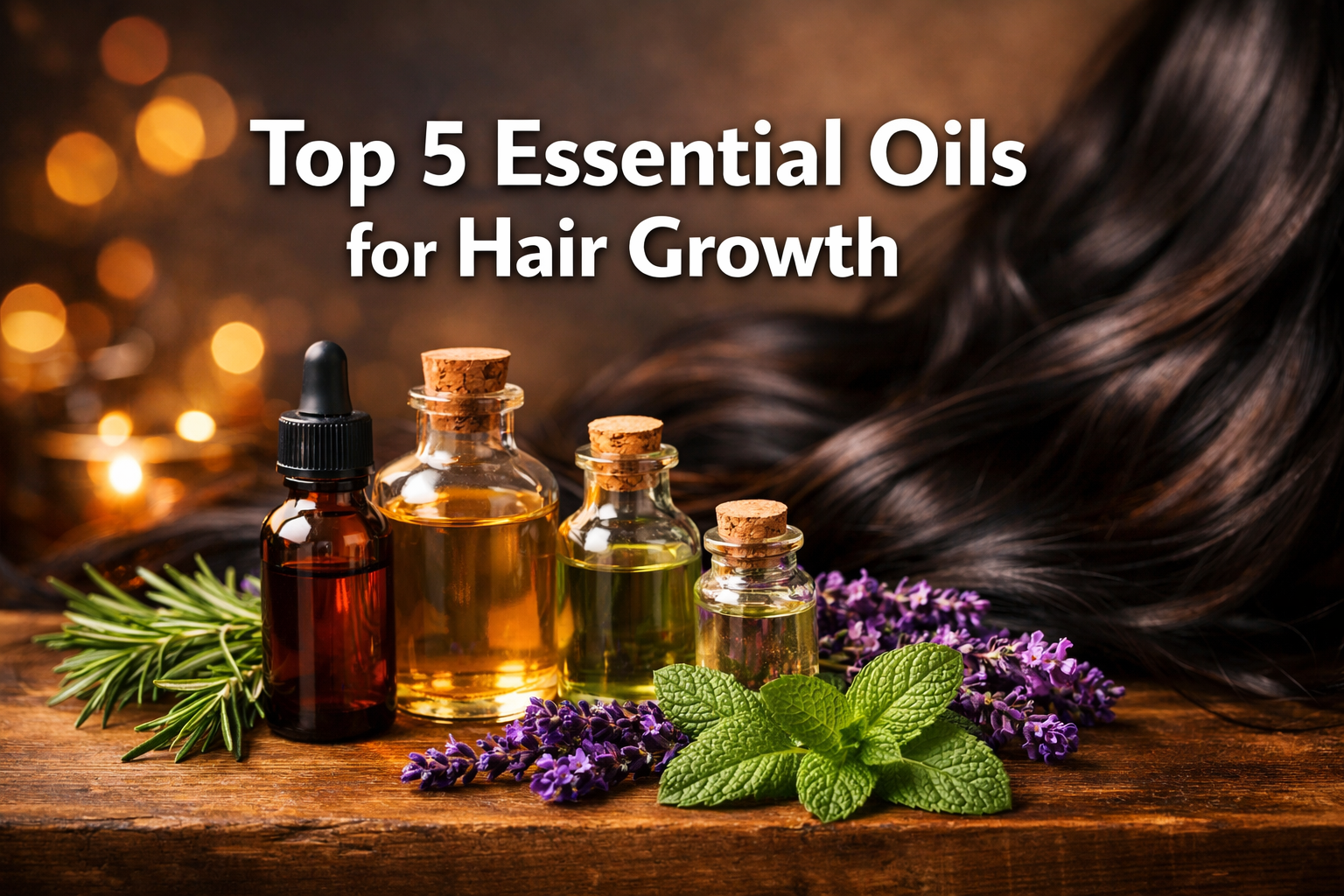
Staring at your hairbrush and noticing more strands than usual? You’re not alone. Hair thinning affects millions of people worldwide, and while there’s no magic potion, nature might have something pretty close. The Top 5 Essential Oils for Hair Growth have been gaining serious attention in the wellness community, and for good reason. These concentrated plant extracts pack powerful compounds that can stimulate your scalp, strengthen hair follicles, and potentially transform your hair health from the roots up. 🌿
Before spending hundreds on treatments that promise the world, understanding which essential oils actually deliver results can save both time and money. This guide breaks down the science-backed options that health enthusiasts are turning to for thicker, healthier hair.
Key Takeaways
- Rosemary oil performs comparably to conventional hair growth treatments in clinical studies, making it a top natural alternative
- Dilution is critical – essential oils must be mixed with carrier oils to prevent scalp irritation and maximize absorption
- Consistency matters more than concentration – regular application over 3-6 months yields the best results
- Peppermint and lavender oils increase blood circulation to hair follicles, creating an optimal environment for growth
- Combining multiple oils can address different aspects of hair health simultaneously for comprehensive results
Understanding How Essential Oils Support Hair Growth
Essential oils aren’t just pleasant-smelling liquids. These concentrated botanical extracts contain active compounds that interact with hair follicles and scalp tissue in specific ways. When applied topically (always diluted), they can penetrate the scalp and influence the hair growth cycle.
Hair grows in three phases: anagen (growth), catagen (transition), and telogen (resting). The goal with any hair growth treatment is to extend the anagen phase and wake up dormant follicles. Essential oils work through several mechanisms:
- Increasing blood circulation to deliver more nutrients to follicles
- Reducing inflammation that can inhibit growth
- Balancing scalp oil production for healthier roots
- Fighting microbial issues that damage follicles
- Strengthening hair shafts to reduce breakage
The effectiveness varies between oils, which is why identifying the top performers matters.
The Top 5 Essential Oils for Hair Growth: Detailed Breakdown
1. Rosemary Oil – The Science-Backed Champion 🌿
Rosemary oil has earned its reputation as the heavyweight champion of hair growth oils. Clinical research comparing rosemary oil to minoxidil (a common hair growth medication) found that after six months, both groups experienced similar increases in hair count. The rosemary group also reported less scalp itching.
Why it works: Rosemary contains carnosic acid, which heals nerve tissue and improves cellular regeneration. This compound also increases circulation to the scalp, ensuring follicles receive adequate nutrition. Additionally, rosemary has anti-inflammatory properties that create a healthier scalp environment.
How to use it:
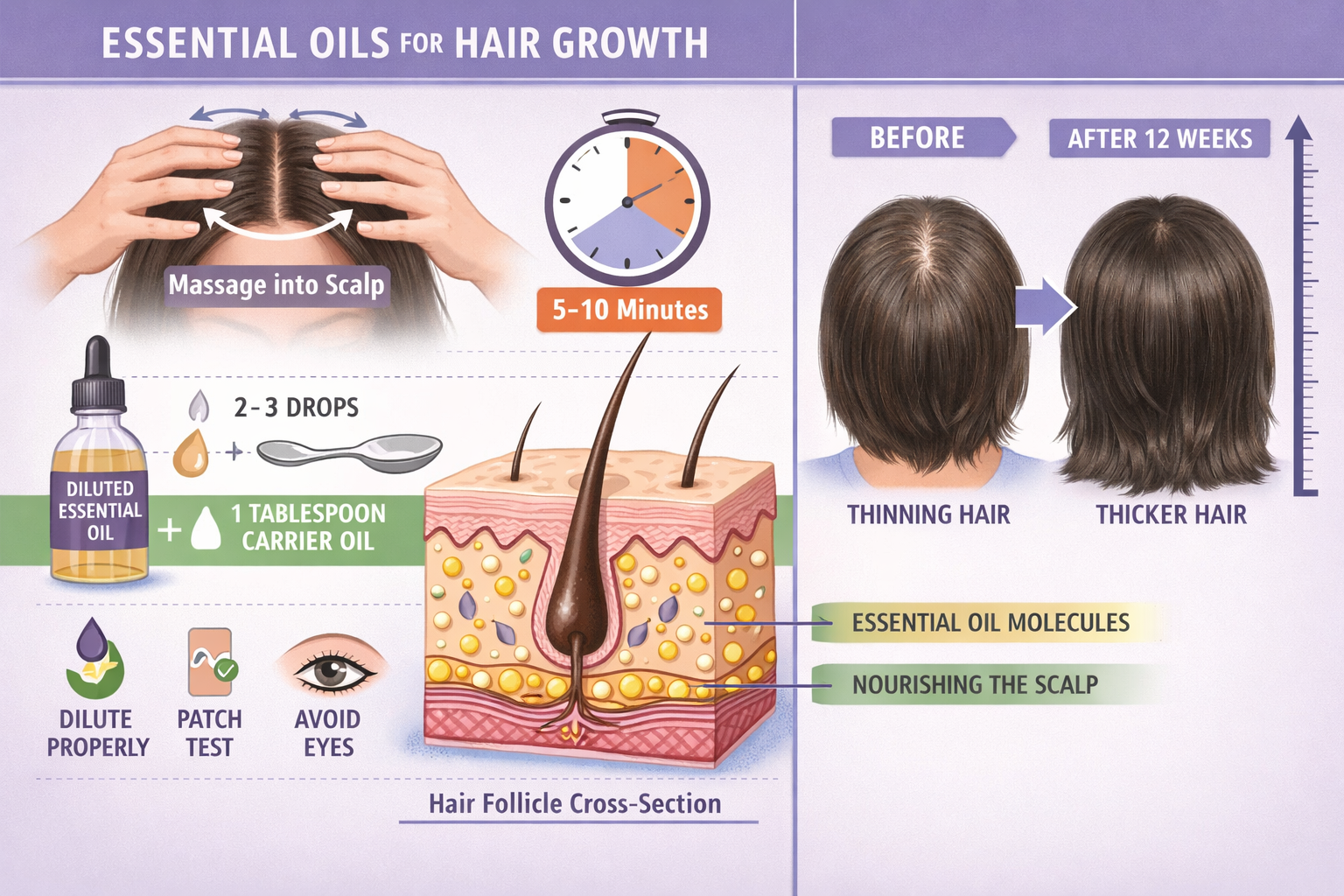
- Mix 3-5 drops with 1 tablespoon of carrier oil (coconut, jojoba, or sweet almond)
- Massage into scalp for 5-10 minutes
- Leave on for at least 30 minutes or overnight
- Use 2-3 times weekly
Best for: People experiencing pattern baldness or general thinning who want a natural alternative to pharmaceutical options.
2. Peppermint Oil – The Circulation Booster ❄️
Peppermint oil creates that refreshing, tingling sensation on your scalp – and that’s exactly what makes it effective. Studies on mice showed that peppermint oil produced more hair follicles, deeper follicle depth, and thicker hair growth than both saline and minoxidil applications.
Why it works: The menthol in peppermint oil causes vasodilation, meaning it widens blood vessels and increases blood flow to the area. This enhanced circulation delivers more oxygen and nutrients to hair follicles, potentially extending the growth phase. The cooling sensation also helps reduce scalp inflammation.
How to use it:
- Dilute 2-3 drops in 1 tablespoon of carrier oil (never apply undiluted)
- Apply to scalp and massage gently
- Leave on for 15-20 minutes before washing
- Use 1-2 times weekly
Warning: Peppermint oil is potent. Always start with fewer drops and increase gradually. Some people experience sensitivity.
Best for: Those with sluggish hair growth who need a circulation boost, or anyone dealing with scalp buildup that clogs follicles.
3. Lavender Oil – The Gentle Multitasker 💜
Don’t let lavender’s reputation as a relaxation aid fool you. This versatile oil has demonstrated impressive hair growth properties while being gentle enough for sensitive scalps. Research shows lavender oil can generate faster hair growth and increase the number of hair follicles.
Why it works: Lavender oil has antimicrobial and antibacterial properties that improve scalp health. It also deeply conditions hair, prevents breakage, and helps regulate oil production. The stress-reducing aromatherapy benefits shouldn’t be overlooked either – stress is a major contributor to hair loss.
How to use it:
- Combine 4-6 drops with 2 tablespoons of carrier oil
- Apply to damp hair and scalp
- Massage for several minutes
- Leave on for at least an hour or overnight
- Use 2-3 times weekly
Best for: People with dry, brittle hair or those experiencing stress-related hair loss. Also excellent for sensitive scalps that react to stronger oils.
4. Cedarwood Oil – The Follicle Balancer 🌲
Cedarwood oil might be less famous than rosemary or lavender, but it’s earned its spot in the Top 5 Essential Oils for Hair Growth through consistent results. Studies on alopecia areata (an autoimmune condition causing hair loss) found that cedarwood oil, combined with other essential oils, improved hair growth in 44% of patients.
Why it works: Cedarwood oil balances the oil-producing glands in the scalp, making it valuable for both dry and oily scalp conditions. It also has antifungal and antibacterial properties that reduce scalp issues interfering with growth. The oil stimulates follicles by increasing circulation.
How to use it:
- Mix 3-4 drops with 1 tablespoon of carrier oil
- Apply to scalp with fingertips
- Massage in circular motions for 5 minutes
- Leave on for 30 minutes to 2 hours
- Use 2 times weekly
Best for: People dealing with scalp conditions like dandruff or seborrheic dermatitis that inhibit healthy hair growth.
5. Tea Tree Oil – The Scalp Cleanser 🍃
Tea tree oil rounds out our top five with its powerful cleansing and unclogging abilities. While it may not directly stimulate growth like rosemary or peppermint, it creates the optimal scalp environment for hair to thrive by removing barriers to growth.
Why it works: Tea tree oil has potent antimicrobial, antibacterial, and anti-inflammatory properties. It unclogs hair follicles by removing dead skin cells and product buildup, allowing hair to grow freely. It also treats scalp conditions that interfere with the growth cycle.
How to use it:
- Dilute 2-3 drops in 1 tablespoon of carrier oil
- Apply to scalp, focusing on problem areas
- Massage gently for 3-5 minutes
- Leave on for 15-30 minutes
- Use 1-2 times weekly
Note: Tea tree oil can be drying, so don’t overuse it. Some people prefer adding a few drops to their regular shampoo instead.
Best for: Those with oily scalps, product buildup, or scalp conditions like dandruff or folliculitis that prevent healthy growth.
Maximizing Results: Application Tips and Best Practices
Getting the most from the Top 5 Essential Oils for Hair Growth requires more than just slapping them on your head. Here’s how to optimize your routine:
Dilution Ratios Matter
Essential oils are incredibly concentrated. Using them undiluted can cause irritation, burns, or allergic reactions. Follow these guidelines:
| Essential Oil | Drops per Tablespoon of Carrier Oil | Sensitivity Level |
|---|---|---|
| Rosemary | 3-5 drops | Low |
| Peppermint | 2-3 drops | High |
| Lavender | 4-6 drops | Very Low |
| Cedarwood | 3-4 drops | Low |
| Tea Tree | 2-3 drops | Medium |
Choose the Right Carrier Oil
Your carrier oil isn’t just a dilution agent – it contributes to hair health too. Popular options include:
- Coconut oil: Penetrates hair shaft, reduces protein loss
- Jojoba oil: Mimics natural scalp oils, great for balance
- Sweet almond oil: Lightweight, rich in vitamins
- Argan oil: Adds shine, reduces frizz
- Castor oil: Thick consistency, promotes thickness (use sparingly)
Application Techniques
Scalp massage is crucial. Don’t just apply oil – work it in with deliberate circular motions for 5-10 minutes. This massage itself stimulates blood flow and helps the oils penetrate deeper.
Timing also matters. Leaving oils on for at least 30 minutes allows absorption. Overnight treatments (with a shower cap) provide maximum benefit, though they’re messier.
Creating Custom Blends
Why choose one oil when you can combine the Top 5 Essential Oils for Hair Growth for synergistic effects? Here’s a powerful blend:
- 3 drops rosemary oil (growth stimulation)
- 2 drops peppermint oil (circulation)
- 3 drops lavender oil (conditioning and stress relief)
- 2 drops cedarwood oil (scalp balance)
- 1 drop tea tree oil (cleansing)
- 2 tablespoons carrier oil of choice
Mix thoroughly and apply 2-3 times weekly.
Safety Considerations and Potential Side Effects
Natural doesn’t automatically mean risk-free. Keep these safety points in mind:
Patch test first: Apply a small amount of diluted oil to your inner forearm and wait 24 hours to check for reactions.
Never ingest: These oils are for topical use only. Ingesting essential oils can be toxic.
Pregnancy and nursing: Some essential oils aren’t recommended during pregnancy or breastfeeding. Consult a healthcare provider first.
Medication interactions: Essential oils can interact with certain medications. If you’re on blood thinners, have epilepsy, or take other medications, check with your doctor.
Quality matters: Purchase therapeutic-grade essential oils from reputable sources. Cheap oils may be diluted or contaminated.
Possible side effects include:
- Skin irritation or rash
- Allergic reactions
- Photosensitivity (especially with citrus oils)
- Headaches from strong scents
- Dizziness if inhaled in excess
If you experience severe reactions, discontinue use immediately and seek medical attention.
What to Expect: Timeline and Realistic Results
Hair growth is a slow process. Here’s a realistic timeline when using the Top 5 Essential Oils for Hair Growth consistently:
Weeks 1-4: Improved scalp health, reduced itching or flaking, better scalp condition. Hair may feel softer and look shinier.
Weeks 4-8: Reduced hair shedding. You might notice fewer hairs in your brush or shower drain. Existing hair may appear stronger.
Weeks 8-12: Some people begin noticing baby hairs or increased density in thinning areas. This varies significantly between individuals.
Months 3-6: Measurable improvements in hair thickness and growth rate become more apparent. Clinical studies typically measure results at the six-month mark.
Important reality check: Essential oils aren’t miracle workers. They work best for:
- Early-stage hair thinning
- Improving overall hair health
- Supporting other treatments
- Maintaining healthy hair growth
They’re less effective for:
- Advanced baldness
- Scarred follicles
- Genetic conditions requiring medical intervention
- Rapid hair loss from medical conditions
“Patience and consistency are your best friends when using natural hair growth treatments. The follicles that produce your hair operate on their own timeline, not yours.”
Complementary Lifestyle Factors for Optimal Hair Growth
Essential oils work best as part of a holistic approach. Support your hair growth journey with these lifestyle factors:
Nutrition: Hair is made of protein (keratin). Ensure adequate protein intake plus vitamins A, C, D, E, biotin, iron, and zinc. Consider foods like eggs, fatty fish, nuts, seeds, and leafy greens.
Hydration: Dehydration affects every cell in your body, including hair follicles. Aim for adequate water intake daily.
Stress management: Chronic stress pushes hair follicles into the resting phase prematurely. Practice stress-reduction techniques like meditation, yoga, or deep breathing.
Gentle hair care: Avoid excessive heat styling, tight hairstyles that pull on roots, and harsh chemical treatments. Be gentle when brushing wet hair.
Scalp health: Keep your scalp clean but don’t overwash. 2-3 times weekly is sufficient for most people. Exfoliate your scalp monthly to remove buildup.
Sleep quality: Hair growth happens during deep sleep when your body repairs and regenerates. Aim for 7-9 hours of quality sleep.
Exercise: Regular physical activity improves circulation throughout your body, including to your scalp.
Comparing Essential Oils to Other Hair Growth Treatments
How do the Top 5 Essential Oils for Hair Growth stack up against other options?
Minoxidil (Rogaine): Clinically proven but requires continuous use, can cause side effects, and results disappear when stopped. Rosemary oil showed comparable results in studies with fewer side effects.
Finasteride (Propecia): Prescription medication that works by blocking DHT hormone. More effective than essential oils for male pattern baldness but carries risk of sexual side effects. Essential oils don’t have hormonal effects.
PRP (Platelet-Rich Plasma): Expensive in-office treatment involving injections. More invasive and costly than essential oils, though potentially more effective for advanced hair loss.
Hair supplements: Biotin, collagen, and other supplements work from inside out. Can be combined with essential oils for comprehensive approach.
Low-level laser therapy: FDA-cleared devices that stimulate follicles with light. More expensive than essential oils but can be used together.
Advantages of essential oils:
- Affordable and accessible
- Natural with minimal side effects
- Can be combined with other treatments
- Additional benefits (stress relief, aromatherapy)
- No prescription required
Limitations:
- Slower results than pharmaceutical options
- Requires consistent application
- Less effective for advanced hair loss
- Quality varies between brands
Frequently Asked Questions About Essential Oils and Hair Growth
How long before seeing results?
Most people notice improvements in scalp health within 4 weeks, with visible hair growth changes appearing around 8-12 weeks. Significant results typically require 3-6 months of consistent use.
Can essential oils regrow hair on bald spots?
If follicles are still alive but dormant, essential oils may help reactivate them. However, if follicles are dead or scarred, no topical treatment will regrow hair. They work best for thinning hair rather than complete baldness.
Is it safe to use essential oils daily?
Most essential oils should be used 2-3 times weekly rather than daily to avoid scalp irritation or sensitivity. Overuse can actually dry out your scalp or cause buildup.
Can I add essential oils to my shampoo?
Yes, but use sparingly. Add 2-3 drops per ounce of shampoo. However, they won’t be as effective as direct scalp application with massage since they’re rinsed off quickly.
Do essential oils work for everyone?
Individual results vary based on genetics, the cause of hair loss, overall health, and consistency of use. They tend to work best for people with temporary or mild hair thinning rather than genetic baldness.
Conclusion: Taking Action for Healthier Hair Growth
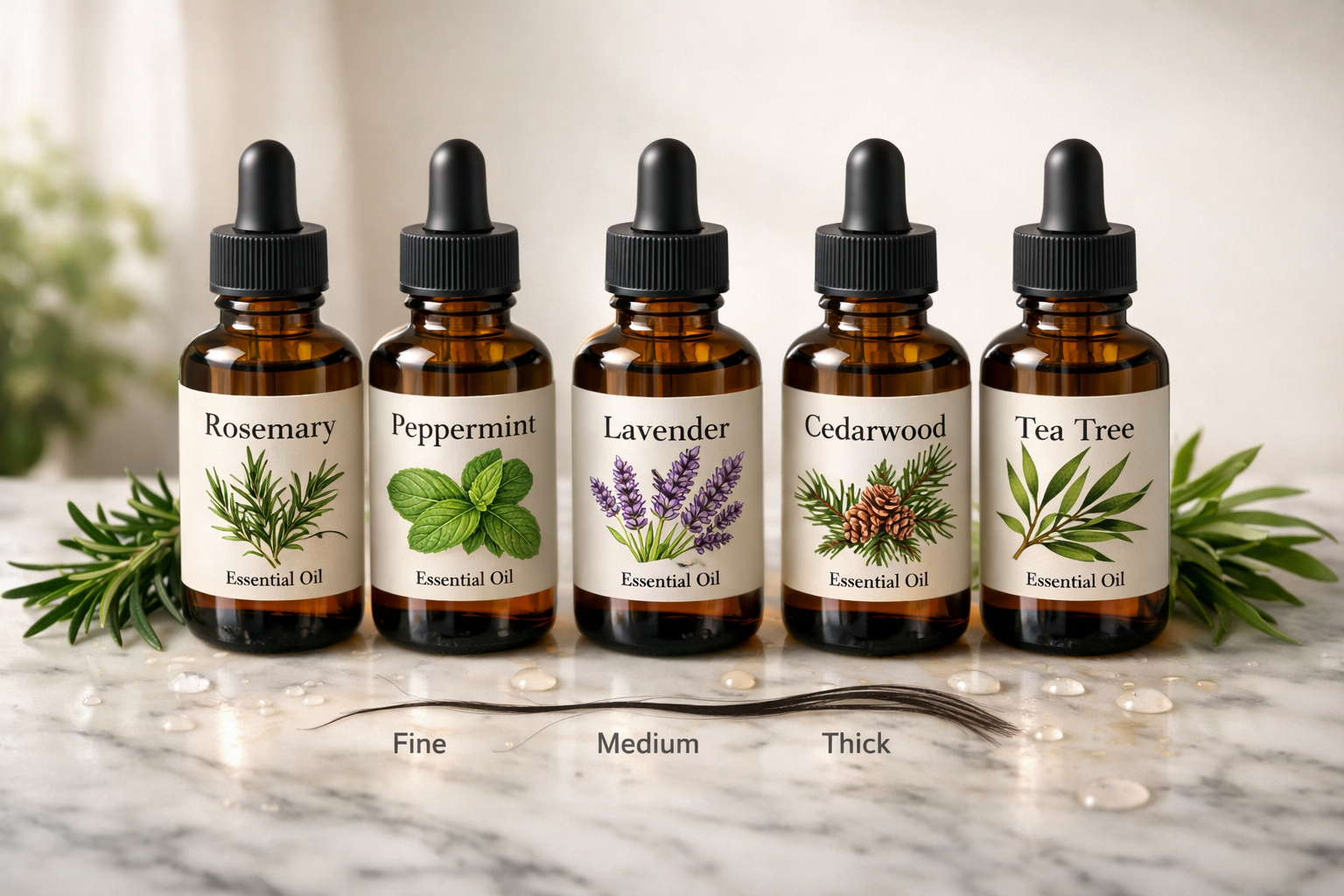
The Top 5 Essential Oils for Hair Growth – rosemary, peppermint, lavender, cedarwood, and tea tree – offer a natural, accessible approach to improving hair health and stimulating growth. While they’re not overnight miracle solutions, consistent use combined with proper application techniques can yield meaningful results over time.
The beauty of these botanical extracts lies in their versatility and low risk profile. Whether used individually or in custom blends, they address multiple aspects of hair health: circulation, inflammation, scalp conditions, and follicle strength.
Your action plan starting today:
- Choose your oil(s): Start with one or two from the top five based on your specific needs
- Purchase quality products: Invest in therapeutic-grade essential oils and a suitable carrier oil
- Perform a patch test: Always test for sensitivity before full application
- Create a schedule: Commit to 2-3 applications weekly for at least 12 weeks
- Document your progress: Take photos and notes to track improvements
- Support with lifestyle: Optimize nutrition, stress management, and gentle hair care
- Be patient: Give your follicles time to respond to the treatment
Remember, hair growth is a marathon, not a sprint. The follicles on your head operate on their own biological timeline, influenced by genetics, health, and environmental factors. Essential oils provide support and optimization, but they work best when you’re also addressing the bigger picture of overall wellness.
Whether you’re dealing with thinning hair, want to improve hair quality, or simply maintain healthy growth, these five essential oils offer a scientifically-supported, natural pathway forward. Start with one, experiment with combinations, and give your hair the botanical boost it deserves. Your future self – with thicker, healthier hair – will thank you for taking action today. 🌿✨