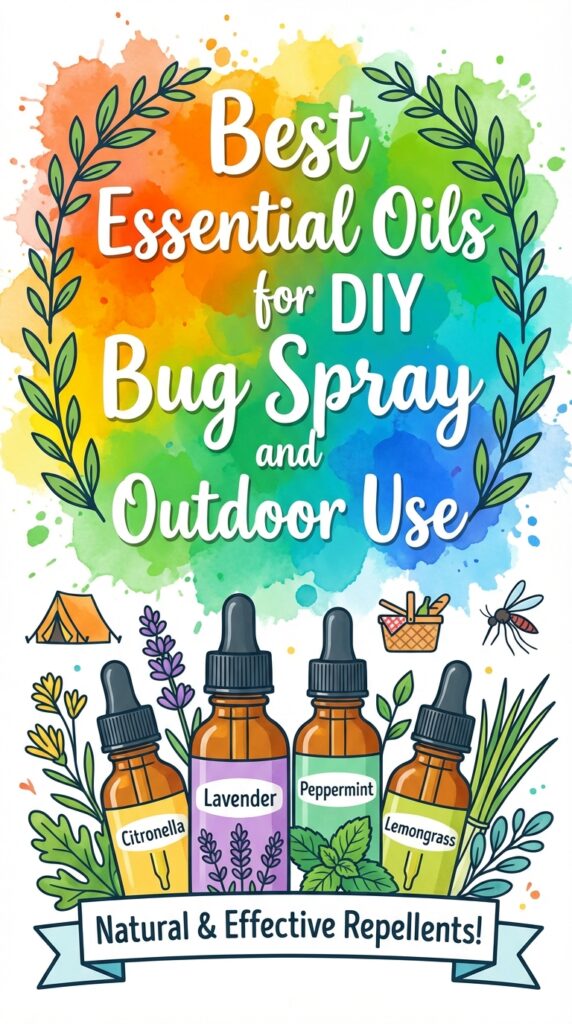
Best Essential Oils for DIY Bug Spray and Outdoor Use
Tired of chemical-laden bug sprays? Discover the most effective essential oils for keeping insects at bay while enjoying the great outdoors.
There’s nothing quite like the frustration of planning the perfect outdoor adventure only to be swarmed by mosquitoes, gnats, and other unwelcome insects. While commercial bug sprays can be effective, many people are turning to natural alternatives that don’t involve harsh chemicals like DEET. Essential oils offer a powerful, natural solution for creating DIY bug sprays that actually work.
I discovered the power of essential oil bug sprays during a camping trip three years ago when I forgot to pack commercial repellent. Desperate to avoid becoming a mosquito buffet, I mixed some peppermint and eucalyptus oils I had brought for aromatherapy with water in a spray bottle. To my amazement, it worked better than I expected, and I’ve been refining natural bug spray recipes ever since.

The beauty of using essential oils for bug protection lies not just in avoiding synthetic chemicals, but in creating customized blends that smell amazing while keeping insects away. Unlike commercial sprays that often have overwhelming chemical odors, essential oil bug sprays can actually enhance your outdoor experience with pleasant, natural fragrances.
Why Essential Oils Work Against Insects
Essential oils are nature’s own pest control system. Plants have evolved these concentrated compounds to protect themselves from insects and other threats, making them naturally effective at repelling bugs. When we extract and concentrate these oils, we harness millions of years of evolutionary pest defense.
The science behind essential oil insect repellency involves multiple mechanisms. Many oils contain compounds that interfere with insects’ sensory systems, making it difficult for them to locate their targets. Others create scent barriers that insects instinctively avoid, while some oils actually disrupt insect nervous systems in ways that deter them from landing and biting.
Different insects respond to different essential oil compounds, which is why the most effective DIY bug sprays often combine multiple oils. Mosquitoes might be deterred by citronella and lemongrass, while flies respond better to peppermint and eucalyptus. Understanding these preferences allows you to create targeted blends for specific pest problems.
Research has shown that certain essential oils can be as effective as DEET for short-term protection, though they typically need more frequent reapplication. The trade-off between reapplication frequency and avoiding synthetic chemicals is worthwhile for many people, especially when spending time in nature where natural solutions feel more appropriate.
Top Essential Oils for Bug Repellent
Citronella oil stands as the most well-known natural insect repellent, and for good reason. This lemony-scented oil has been used for centuries to ward off mosquitoes and other flying insects. Citronella works by masking the scents that attract insects to humans, essentially making you invisible to their sensory systems. The oil is particularly effective against mosquitoes, gnats, and flies, making it an excellent base for any DIY bug spray.
Lemongrass oil shares many compounds with citronella and offers similar protective benefits with a slightly sweeter, more pleasant aroma. Studies have shown that lemongrass oil can provide protection comparable to commercial repellents for several hours. It’s especially effective when combined with other oils, creating synergistic effects that enhance overall repellency.
Peppermint oil brings a refreshing coolness to bug spray blends while effectively deterring ants, spiders, mosquitoes, and mice. The strong menthol content creates an intense sensory experience that most insects find overwhelming. Peppermint oil also provides a cooling sensation on the skin, making it particularly pleasant for hot summer days when bug protection is most needed.
Eucalyptus oil, particularly lemon eucalyptus, has gained recognition from the CDC as an effective natural insect repellent. The oil contains compounds that can provide hours of protection against mosquitoes and ticks. Eucalyptus oil also has antimicrobial properties, providing additional benefits beyond insect protection.
Tea tree oil offers broad-spectrum insect repelling properties along with antiseptic benefits that can help prevent infection if you do get bitten. This Australian native oil is particularly effective against mosquitoes, flies, and ants. Its medicinal properties make it an excellent addition to bug sprays for people who spend significant time outdoors.
Lavender oil provides the unique benefit of being calming to humans while repelling insects. Mosquitoes, flies, fleas, and moths all tend to avoid lavender’s floral scent. This makes lavender oil perfect for evening outdoor activities when you want protection without stimulating scents that might interfere with relaxation.
Geranium oil, especially rose geranium, has shown remarkable effectiveness against ticks and mosquitoes. The oil’s floral scent is pleasant to humans but overwhelming to many insects. Geranium oil also has skin-conditioning properties, making it beneficial for the skin while providing protection.
Cedarwood oil offers long-lasting protection and is particularly effective against moths, fleas, and mosquitoes. The woody scent is grounding and pleasant while creating an environment that insects prefer to avoid. Cedarwood oil also has the advantage of being less volatile than citrus oils, meaning it provides longer-lasting protection.
Creating Effective DIY Bug Spray Recipes
The key to successful DIY bug spray lies in understanding proper dilution ratios and oil combinations. Essential oils are highly concentrated and must be properly diluted to be safe for skin application while maintaining effectiveness. A general rule is to use no more than 2-3% essential oil concentration in your final spray, which translates to about 10-15 drops of essential oil per ounce of carrier liquid.
For a basic all-purpose bug spray, combine:
- 10 drops of citronella oil
- 5 drops of lemongrass oil
- 5 drops of peppermint oil
- 3 drops of eucalyptus oil
- 4 ounces of distilled water
- 1 ounce of witch hazel
The witch hazel helps the oils mix with water and provides additional astringent properties. Shake well before each use, as oil and water naturally separate.
A tick-specific blend might include 8 drops of rose geranium oil, 7 drops of cedarwood oil, 5 drops of eucalyptus oil, and 3 drops of lavender oil mixed with the same water and witch hazel base. This combination targets the specific sensory preferences that make ticks seek out hosts.
For camping and heavy outdoor use, create a stronger blend with 15 drops of citronella, 10 drops of lemongrass, 8 drops of peppermint, and 5 drops of tea tree oil. Add 2 tablespoons of fractionated coconut oil to the mixture for better skin adherence and longer-lasting protection.
Evening outdoor activities call for a more relaxing blend that won’t interfere with sleep. Combine 12 drops of lavender oil, 8 drops of citronella oil, 5 drops of geranium oil, and 3 drops of cedarwood oil with your carrier base. This blend provides protection while promoting relaxation.
Safety Considerations and Precautions
While essential oils are natural, they’re also potent and require careful handling. Always perform patch tests before using new oil blends, especially if you have sensitive skin or known allergies. Apply a small amount of diluted oil to your inner wrist and wait 24 hours to check for reactions.
Photosensitivity is a concern with citrus oils like lemon eucalyptus and some other essential oils. These oils can increase your skin’s sensitivity to sunlight, potentially causing burns or discoloration. If using photosensitive oils, avoid direct sunlight or use extra sun protection.
Pregnancy and nursing require extra caution with essential oils. Some oils like peppermint and eucalyptus should be avoided or used in very low concentrations during pregnancy. Consult with healthcare providers before using essential oil bug sprays if you’re pregnant or nursing.
Quality matters significantly when choosing essential oils for bug protection. Pure, therapeutic-grade oils are more effective and safer than synthetic fragrances or low-quality oils. Purchase from reputable suppliers who provide information about their sourcing and testing procedures.
Storage and shelf life affect both safety and effectiveness. Store your DIY bug sprays in dark glass bottles away from heat and light. Most blends will maintain effectiveness for 6-12 months when properly stored. Replace any sprays that develop off odors or show signs of separation that doesn’t resolve with shaking.
Seasonal Considerations
Different seasons bring different insect challenges that require adjusted essential oil strategies. Spring mosquito emergence calls for citronella and lemongrass-heavy blends, while summer’s diverse insect population benefits from broader-spectrum combinations including peppermint and eucalyptus.
Fall camping and hiking require tick-focused protection with geranium and cedarwood oils taking priority. These oils provide the specific protection needed against ticks that are most active during cooler months.
Winter indoor use might focus on preventing ant invasions and spider problems with peppermint and tea tree oil blends applied around entry points and problem areas.
Making Bug Protection a Lifestyle
Incorporating essential oil bug protection into your regular outdoor routine creates consistent, natural pest management without the need for harsh chemicals. Keep travel-sized spray bottles in your car, backpack, and outdoor gear so protection is always available when you need it.
Seasonal preparation involves creating and storing appropriate blends before peak insect seasons. Having your bug sprays ready before you need them ensures you’re never caught unprepared during outdoor activities.
Teaching family members to use and appreciate natural bug protection creates healthy habits that can last a lifetime. Children who grow up using essential oil bug sprays often prefer them to commercial alternatives and develop a better understanding of natural health approaches.
The Long-Term Benefits
Choosing essential oils for bug protection offers benefits that extend far beyond immediate insect deterrence. You’re reducing your exposure to synthetic chemicals while supporting your overall health and well-being. Many people report that switching to natural bug protection improves their outdoor experience by eliminating the harsh chemical odors and skin irritation associated with commercial repellents.
Environmental benefits include reducing the chemical load in natural areas where you spend time. Essential oils biodegrade naturally without leaving harmful residues that can affect wildlife and water systems.
Cost savings accumulate over time as you create effective bug protection for a fraction of the cost of commercial repellents. A few bottles of essential oils can create dozens of bug spray applications, making natural protection both economical and effective.
Essential oil bug sprays represent a return to natural, effective pest protection that our ancestors used for centuries. By understanding which oils work best for different insects and situations, you can create customized protection that keeps you comfortable during outdoor activities while supporting your commitment to natural health approaches.
The key to success lies in experimentation and patience as you discover which combinations work best for your specific needs and environment. Start with basic recipes and adjust based on your experiences, always prioritizing safety and effectiveness. With time and practice, you’ll develop bug protection strategies that enhance rather than detract from your outdoor adventures.