Best Essential Oils for Acne

Picture this: you wake up, look in the mirror, and instead of reaching for harsh chemical treatments, you grab a small bottle of nature’s most powerful acne-fighting remedy. Essential oils have become game-changers for people seeking natural, effective solutions to stubborn breakouts. Finding the best essential oils for acne can transform your skincare routine from a chemical-heavy regimen into a gentle, plant-based approach that works with your skin’s natural healing process.
Key Takeaways
• Tea tree oil remains the most researched and effective essential oil for acne treatment, with antimicrobial properties that rival benzoyl peroxide
• Proper dilution is crucial – never apply essential oils directly to skin; always mix with carrier oils to prevent irritation
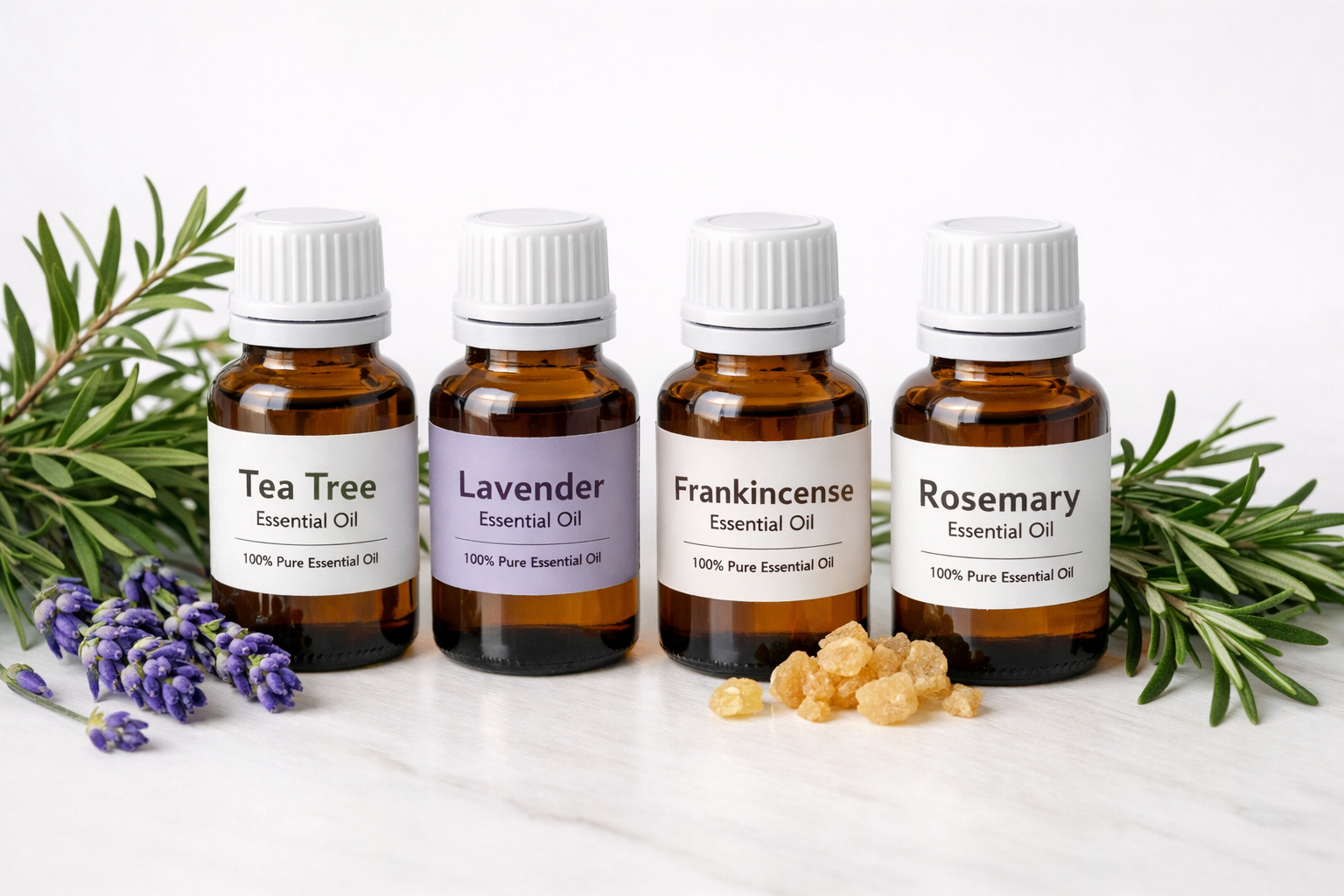
• Lavender, frankincense, and rosemary oils offer additional benefits like reducing inflammation and promoting skin healing
• Consistency matters more than strength – gentle, regular application produces better results than occasional strong treatments
• Patch testing is essential before incorporating any new essential oil into your skincare routine
Understanding Acne and How Essential Oils Help
Acne develops when hair follicles become clogged with oil, dead skin cells, and bacteria. The Propionibacterium acnes bacteria thrives in these blocked pores, leading to inflammation, redness, and those frustrating bumps we all know too well.
Essential oils work differently than conventional acne treatments. Instead of stripping the skin or using harsh chemicals, these natural compounds:
- Fight bacteria naturally without disrupting the skin’s protective barrier
- Reduce inflammation that causes redness and swelling
- Balance oil production rather than completely eliminating it
- Promote healing of existing blemishes without leaving scars
“Essential oils offer a gentler approach to acne treatment that works with your skin’s natural processes rather than against them.” – Dr. Sarah Chen, Naturopathic Dermatologist
Top 6 Best Essential Oils for Acne Treatment
1. Tea Tree Oil 🌿
Why it works: Tea tree oil contains terpinen-4-ol, a compound that kills acne-causing bacteria and reduces inflammation.
Research backing: Multiple studies show tea tree oil is as effective as 5% benzoyl peroxide but with fewer side effects.
How to use:
- Dilute 1-2 drops in 1 teaspoon carrier oil
- Apply to affected areas twice daily
- Start with once daily to test skin sensitivity
2. Lavender Oil 💜
Why it works: Lavender oil has antimicrobial and anti-inflammatory properties, plus it helps reduce stress-related breakouts.
Additional benefits:
- Promotes skin healing and regeneration
- Reduces scarring from previous breakouts
- Calming scent helps reduce stress (a major acne trigger)
Best for: Sensitive skin types and stress-related acne
3. Frankincense Oil
Why it works: This precious oil promotes cell regeneration and has powerful anti-inflammatory effects.
Special properties:
- Helps fade acne scars
- Balances oily skin without over-drying
- Supports overall skin health and tone
Perfect for: Mature skin with acne and post-acne scarring
4. Rosemary Oil 🌿
Why it works: Rich in antioxidants and antimicrobial compounds that fight bacteria and protect skin from damage.
Key benefits:
- Improves circulation for healthier skin
- Contains rosmarinic acid (powerful anti-inflammatory)
- Helps prevent future breakouts
5. Geranium Oil
Why it works: Balances sebum production and has astringent properties that tighten pores.
Ideal for:
- Combination skin types
- Hormonal acne
- Large pores and blackheads
6. Chamomile Oil
Why it works: Extremely gentle with strong anti-inflammatory properties, perfect for sensitive, acne-prone skin.
Special features:
- Soothes irritated skin
- Reduces redness quickly
- Safe for daily use
How to Use the Best Essential Oils for Acne Safely
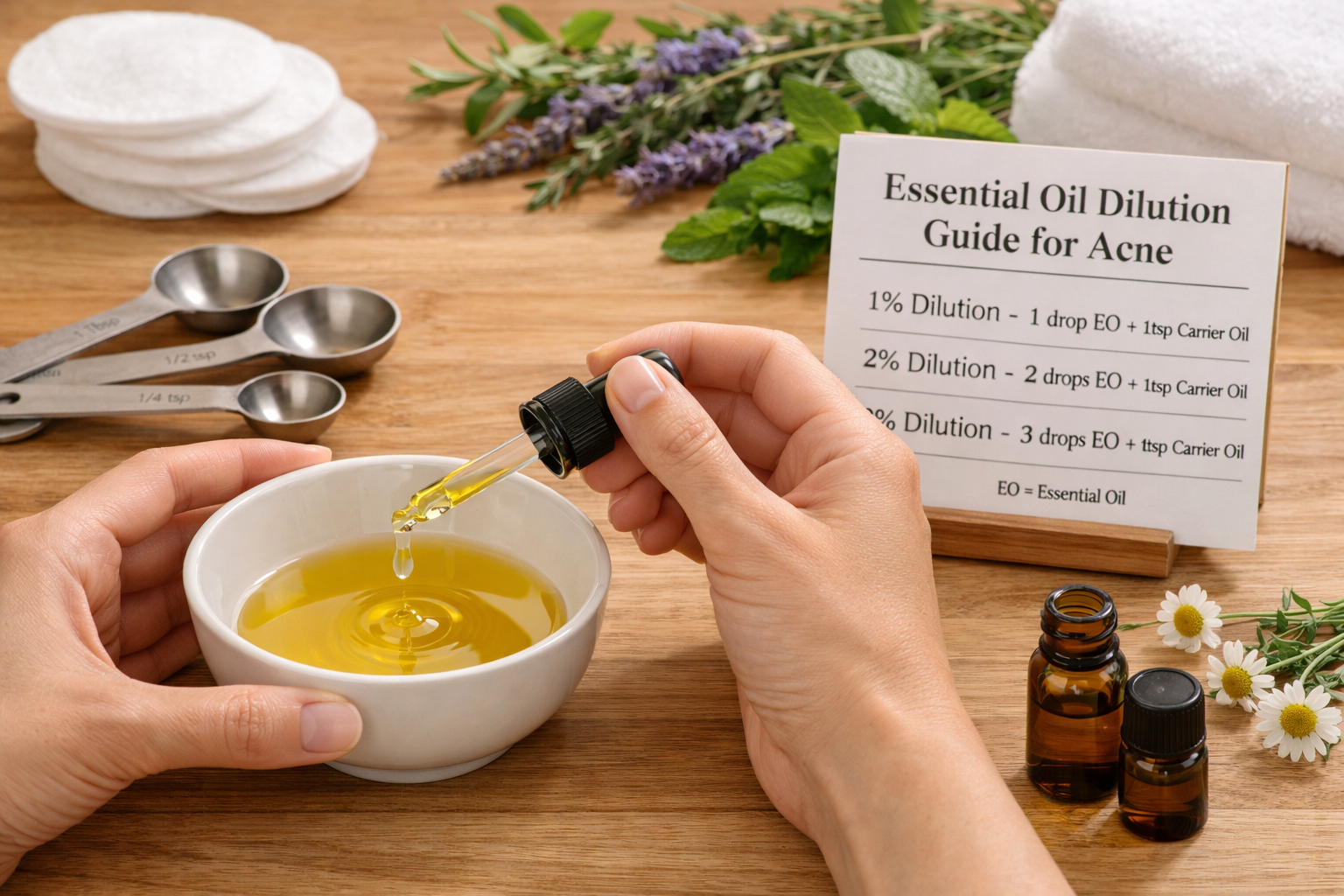
Dilution Guidelines
Never apply essential oils directly to skin! Always dilute properly:
| Skin Type | Dilution Ratio | Example |
|---|---|---|
| Sensitive | 0.5-1% | 1-2 drops per teaspoon carrier oil |
| Normal | 1-2% | 2-4 drops per teaspoon carrier oil |
| Oily/Thick | 2-3% | 4-6 drops per teaspoon carrier oil |
Best Carrier Oils for Acne-Prone Skin
Jojoba oil – Mimics skin’s natural sebum, won’t clog pores
Grapeseed oil – Light texture, high in antioxidants
Hemp seed oil – Balances oil production, rich in omega fatty acids
Rosehip oil – Promotes healing, reduces scarring
Application Methods
Spot Treatment:
- Cleanse skin gently
- Mix 1 drop essential oil with ½ teaspoon carrier oil
- Apply only to affected areas
- Use twice daily
Face Serum:
- Combine 2-3 essential oils (total 5-6 drops)
- Mix with 1 tablespoon carrier oil
- Apply 2-3 drops to entire face
- Use once daily, preferably evening
Steam Treatment:
- Add 2-3 drops to bowl of hot water
- Lean over bowl with towel over head
- Steam for 5-10 minutes
- Use 1-2 times weekly
DIY Recipes: Best Essential Oils for Acne Blends
Anti-Acne Spot Treatment
- 2 drops tea tree oil
- 1 drop lavender oil
- 1 teaspoon jojoba oil
Mix ingredients and apply to blemishes twice daily
Gentle Daily Serum
- 3 drops frankincense oil
- 2 drops geranium oil
- 1 drop chamomile oil
- 2 tablespoons rosehip seed oil
Blend thoroughly and apply 3-4 drops to clean face each evening
Balancing Face Mist
- 5 drops lavender oil
- 3 drops tea tree oil
- 2 drops rosemary oil
- 4 oz distilled water
- 1 teaspoon witch hazel
Combine in spray bottle, shake before each use
Safety Considerations and Precautions
Essential Oil Safety Rules
Always patch test new oils on inner wrist 24 hours before facial use
Avoid these oils if you have sensitive skin:
- Cinnamon
- Clove
- Oregano
- Thyme
Sun sensitivity warning: Some oils increase photosensitivity. Use evening application for:
- Bergamot
- Lemon
- Lime
- Grapefruit
When to Avoid Essential Oils
❌ During pregnancy – consult healthcare provider first
❌ On broken or severely inflamed skin
❌ If you have eczema or dermatitis – without professional guidance
❌ Before sun exposure – with citrus oils
Signs to Stop Use Immediately
- Increased redness or irritation
- Burning or stinging sensation
- New breakouts or rash
- Excessive dryness or peeling
Maximizing Results: Best Practices
Creating Your Routine
Week 1-2: Start with one oil, once daily
Week 3-4: Increase to twice daily if well-tolerated
Month 2+: Consider adding second oil or blend
Lifestyle Factors That Enhance Results
Clean pillowcases – change every 2-3 days
Gentle cleansing – avoid over-washing
Stress management – practice meditation or yoga
Hydration – drink plenty of water
Diet – reduce dairy and high-glycemic foods
Tracking Your Progress
Keep a simple skin journal noting:
- Which oils you’re using
- Frequency of application
- Skin changes (positive and negative)
- Menstrual cycle (for hormonal acne patterns)
Common Mistakes to Avoid
Over-Application
More isn’t better with essential oils. Start small and build slowly.
Mixing Too Many Oils
Limit blends to 2-3 oils initially to identify what works for your skin.
Inconsistent Use
Consistency beats intensity – regular gentle application works better than sporadic strong treatments.
Ignoring Your Skin Type
Oily skin can handle stronger dilutions, while sensitive skin needs gentler approaches.
Budget-Friendly Tips for Essential Oil Acne Care
Smart Shopping Strategies
Buy quality over quantity – one good oil beats several cheap ones
Start with tea tree oil – most research-backed and versatile
Look for organic certification – ensures purity and potency
Buy from reputable suppliers – avoid synthetic fragrances sold as essential oils
Making Oils Last Longer
- Store in cool, dark places
- Use dark glass bottles
- Keep caps tightly closed
- Buy smaller quantities more frequently
When to Seek Professional Help
While the best essential oils for acne can be highly effective, some situations require professional intervention:
See a dermatologist if:
- Acne is severe or cystic
- Over-the-counter and natural treatments haven’t helped after 3 months
- Acne is leaving significant scarring
- You’re experiencing emotional distress from skin issues
Consider a naturopathic doctor for:
- Hormonal acne patterns
- Digestive issues linked to skin problems
- Comprehensive natural treatment plans
- Supplement recommendations
The Future of Natural Acne Treatment
As we move through 2026, the trend toward natural skincare continues growing. Essential oils represent a bridge between ancient wisdom and modern science, offering effective alternatives to harsh chemical treatments.
Research continues to validate what traditional medicine has known for centuries – plants contain powerful compounds that can heal and restore skin health. The best essential oils for acne provide hope for those seeking gentler, more sustainable approaches to clear skin.
Conclusion
Finding the best essential oils for acne opens doors to natural, effective skincare that works with your body’s healing processes. Tea tree oil leads the pack with its proven antimicrobial properties, while lavender, frankincense, and rosemary oils offer complementary benefits for comprehensive acne care.
Remember these key points as you begin your essential oil journey:
✅ Start slowly with proper dilution and patch testing
✅ Stay consistent with your application routine
✅ Be patient – natural treatments take time to show results
✅ Listen to your skin and adjust accordingly
Your next steps:
- Choose one essential oil to start with (tea tree is recommended for beginners)
- Purchase a quality carrier oil like jojoba or grapeseed
- Begin with evening application every other day
- Track your skin’s response in a simple journal
- Gradually increase frequency as your skin adjusts
The path to clearer skin doesn’t have to involve harsh chemicals or expensive treatments. With the right essential oils and proper application, you can achieve the healthy, glowing skin you deserve – naturally.