Best Essential Oils for Hair Growth
Imagine waking up each morning to fuller, stronger hair that grows faster than ever before – all thanks to the power of nature’s own remedies. Best essential oils for hair growth have been treasured secrets passed down through generations, and modern science is now proving what our ancestors knew all along: these concentrated plant extracts can transform your hair health naturally and effectively.
Hair loss affects millions of people worldwide, with studies showing that nearly 50% of adults experience some degree of hair thinning by age 50. While conventional treatments often come with harsh chemicals and unwanted side effects, essential oils offer a gentle yet powerful alternative that works with your body’s natural processes to promote healthy hair growth.
Key Takeaways
• Rosemary essential oil performs as well as minoxidil in clinical studies, making it the top choice for natural hair growth
• Proper dilution is crucial – always mix essential oils with carrier oils to prevent scalp irritation and maximize benefits
• Consistency matters more than intensity – regular use of 2-3 times per week yields better results than daily application
• Multiple oils work better together – combining complementary essential oils creates synergistic effects for enhanced hair growth
• Results take time – expect to see noticeable improvements after 3-6 months of consistent use
Understanding How Essential Oils Promote Hair Growth
Essential oils work their magic on hair growth through several biological mechanisms. These concentrated plant extracts contain active compounds that stimulate blood circulation to the scalp, providing hair follicles with increased oxygen and nutrients needed for healthy growth.
The science behind essential oils reveals fascinating insights into their effectiveness. Many essential oils contain molecules that can:
- Increase dermal papilla cell proliferation (the cells responsible for hair growth)
- Extend the anagen phase (the active growth phase of hair)
- Reduce inflammation that can damage hair follicles
- Balance scalp pH levels for optimal growing conditions
- Provide antimicrobial protection against scalp infections
Research published in the International Journal of Molecular Sciences shows that certain essential oils can increase hair follicle depth and number, leading to thicker, more abundant hair growth over time.
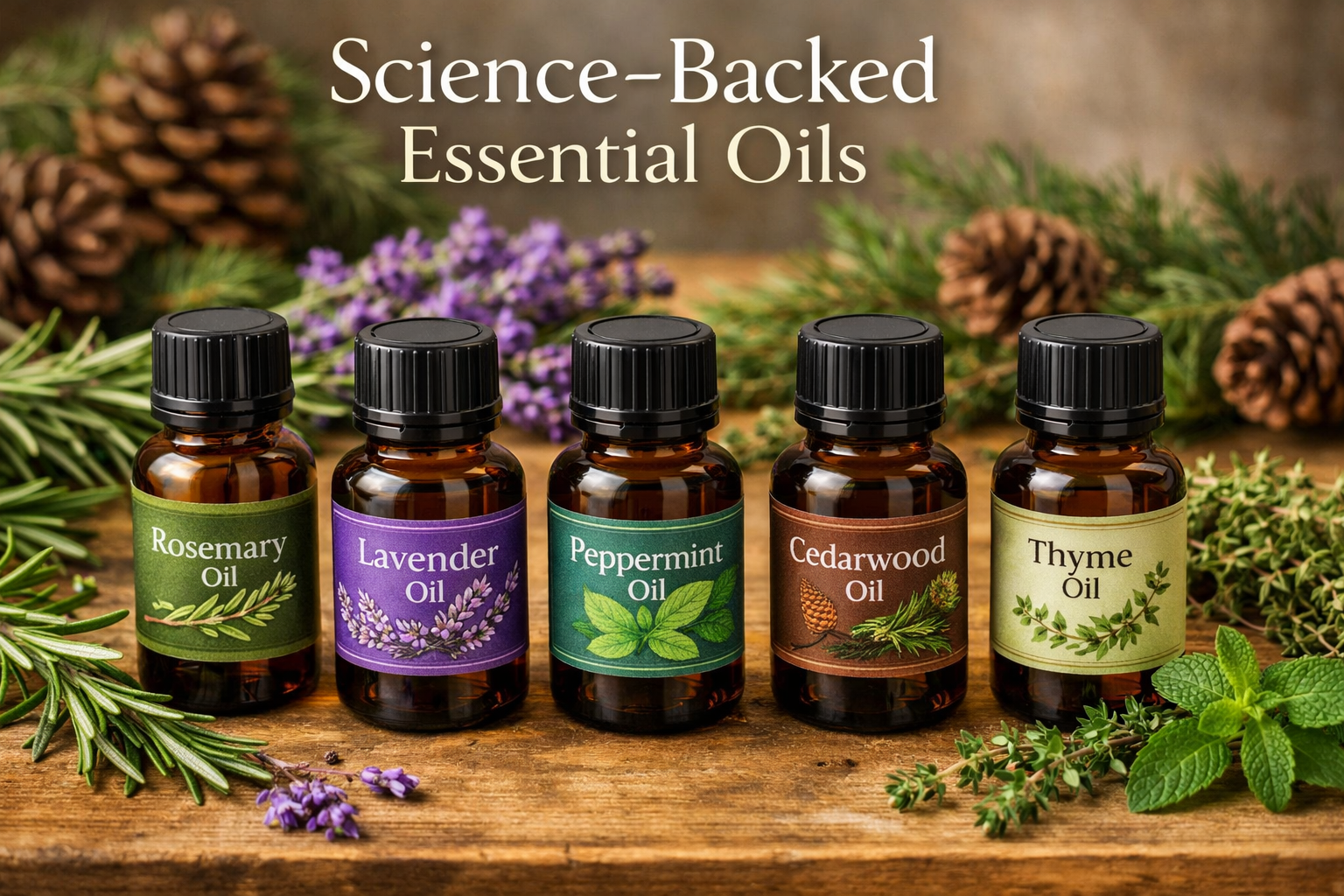
Top Essential Oils for Hair Growth: Science-Backed Options
Rosemary Essential Oil 🌿
Rosemary oil stands as the champion among essential oils for hair growth, backed by impressive clinical research. A groundbreaking 2015 study published in SKINmed journal found that rosemary oil performed equally well as 2% minoxidil (the active ingredient in Rogaine) after six months of use.
Key benefits of rosemary oil:
- Increases microcirculation in the scalp
- Contains carnosic acid, which repairs nerve damage and improves circulation
- Helps prevent premature graying
- Reduces scalp inflammation
How it works: Rosemary oil’s active compounds, particularly carnosic acid and rosmarinic acid, stimulate blood flow to hair follicles while protecting them from damage caused by free radicals.
Peppermint Essential Oil ❄️
Peppermint oil delivers a refreshing tingle that signals its powerful circulation-boosting properties. Research in Toxicological Research shows that peppermint oil can increase hair follicle depth, number, and overall hair growth significantly.
Benefits include:
- Menthol content creates vasodilation, increasing blood flow
- Antimicrobial properties keep scalp healthy and clean
- Cooling sensation that feels invigorating during application
- DHT-blocking potential that may help prevent hair loss
Lavender Essential Oil 💜
Beyond its calming aroma, lavender oil offers impressive hair growth benefits. Studies demonstrate that lavender oil can generate faster hair growth and increase the number of hair follicles.
Lavender oil advantages:
- Promotes deeper, longer hair follicles
- Reduces stress-related hair loss
- Provides antimicrobial protection
- Gentle enough for sensitive scalps
Cedarwood Essential Oil 🌲
Cedarwood oil has shown remarkable results in treating alopecia areata, an autoimmune condition causing patchy hair loss. A study in Archives of Dermatology found significant improvement in hair growth when cedarwood was used as part of a treatment regimen.
Cedarwood benefits:
- Balances oil production in the scalp
- Stimulates hair follicles
- Has antifungal properties
- Helps reduce hair loss
Thyme Essential Oil 🌱
Thyme oil packs powerful antimicrobial properties while promoting hair growth. Its active compound, thymol, helps improve circulation and creates an optimal environment for hair growth.
Thyme oil features:
- Strong antimicrobial action
- Stimulates scalp circulation
- Helps clear clogged hair follicles
- Works well in combination with other oils
How to Use Best Essential Oils for Hair Growth Safely and Effectively
Proper Dilution Guidelines
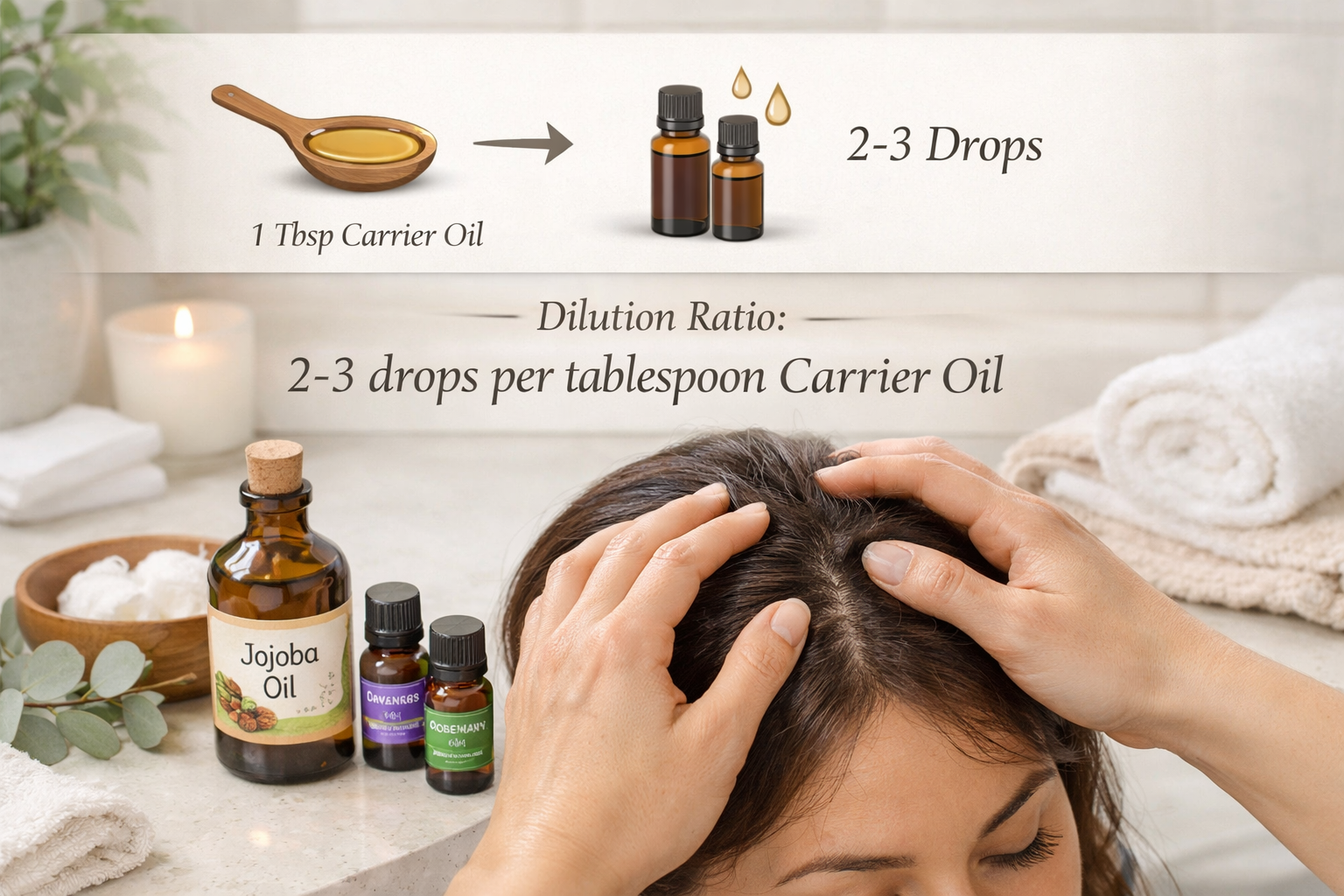
Never apply essential oils directly to your scalp without proper dilution. Essential oils are highly concentrated and can cause irritation, burns, or allergic reactions when used undiluted.
Safe dilution ratios:
| Hair Type | Essential Oil Drops | Carrier Oil Amount | Concentration |
|---|---|---|---|
| Sensitive scalp | 3-5 drops | 2 tablespoons | 0.5-1% |
| Normal scalp | 6-8 drops | 2 tablespoons | 1-1.5% |
| Oily/thick hair | 8-10 drops | 2 tablespoons | 1.5-2% |
Best Carrier Oils for Hair Growth
Choosing the right carrier oil enhances the effectiveness of your essential oil treatment:
🥥 Coconut Oil
- Penetrates hair shaft deeply
- Provides moisture and protein
- Has natural antimicrobial properties
🫒 Jojoba Oil
- Most similar to natural sebum
- Won’t clog pores
- Excellent for all hair types
🌰 Argan Oil
- Rich in vitamin E and fatty acids
- Adds shine and softness
- Protects against heat damage
🌻 Sweet Almond Oil
- Lightweight and easily absorbed
- Rich in vitamins A, B, and E
- Good for sensitive scalps
Application Methods That Work
Scalp Massage Technique
- Warm the oil mixture slightly (not hot) for better absorption
- Part your hair into sections for even application
- Apply oil to fingertips and massage gently into scalp using circular motions
- Work systematically across your entire scalp
- Massage for 5-10 minutes to stimulate circulation
- Leave on for 30 minutes to 2 hours before washing
Overnight Treatment
For deeper penetration, apply the oil mixture before bed:
- Cover your pillow with an old towel
- Wear a shower cap or silk scarf to protect bedding
- Shampoo thoroughly in the morning
Pre-Shampoo Treatment
Apply the oil mixture 30 minutes before your regular shampoo routine for a gentler approach that still delivers results.
Creating Powerful Hair Growth Blends
The Growth Booster Blend
- 4 drops rosemary oil
- 3 drops peppermint oil
- 2 drops lavender oil
- 2 tablespoons jojoba oil
The Thickness Enhancer
- 3 drops cedarwood oil
- 3 drops thyme oil
- 3 drops rosemary oil
- 2 tablespoons argan oil
The Sensitive Scalp Formula
- 3 drops lavender oil
- 2 drops cedarwood oil
- 2 tablespoons sweet almond oil
Pro Tip: Start with lower concentrations and gradually increase as your scalp adapts. What works for others might need adjustment for your unique hair and scalp needs.
Safety Considerations and Precautions
Patch Testing Is Essential
Before using any new essential oil blend:
- Apply a small amount of the diluted mixture to your inner wrist
- Wait 24 hours and check for any reaction
- Look for redness, itching, or irritation
- Proceed only if no reaction occurs
Who Should Exercise Extra Caution
Pregnant and nursing women should consult healthcare providers before using essential oils, as some can affect hormones or be absorbed into breast milk.
People with sensitive skin or scalp conditions like eczema or psoriasis should start with very low concentrations and consider consulting a dermatologist.
Those taking medications should check for potential interactions, especially blood thinners or hormone therapies.
Signs to Stop Use Immediately
- Severe itching or burning
- Rash or hives
- Swelling around the application area
- Difficulty breathing (seek immediate medical attention)
Maximizing Results: Lifestyle Factors That Support Hair Growth
Nutrition for Hair Health
Essential oils work best when combined with proper nutrition:
🥩 Protein: Hair is primarily protein, so ensure adequate intake through lean meats, fish, eggs, or plant-based sources
🥬 Iron: Low iron levels can cause hair loss; include spinach, lentils, and lean red meat
🥜 Biotin and B-vitamins: Support hair growth; found in nuts, seeds, and whole grains
🐟 Omega-3 fatty acids: Promote scalp health; abundant in fatty fish, walnuts, and flaxseeds
Stress Management
Chronic stress can significantly impact hair growth by:
- Pushing hair follicles into the resting phase
- Reducing nutrient absorption
- Increasing cortisol levels that damage hair
Stress-reduction techniques:
- Regular meditation or deep breathing exercises
- Adequate sleep (7-9 hours nightly)
- Regular physical activity
- Limiting caffeine and alcohol
Gentle Hair Care Practices
Protect your hair growth efforts by:
- Using sulfate-free shampoos
- Avoiding excessive heat styling
- Sleeping on silk or satin pillowcases
- Using wide-tooth combs on wet hair
- Protecting hair from sun damage
What to Expect: Timeline and Realistic Results
Month 1-2: Foundation Building
- Scalp health improvements
- Reduced itching or flaking
- Stronger existing hair
- Less hair breakage
Month 3-4: Visible Changes
- New baby hairs appearing
- Improved hair texture
- Increased shine and softness
- Reduced hair fall
Month 6+: Significant Growth
- Noticeable length increase
- Thicker hair density
- Improved overall hair health
- Sustained growth patterns
Important: Hair grows approximately 0.5 inches per month naturally. Essential oils can improve this rate and quality, but dramatic overnight changes aren’t realistic.
Troubleshooting Common Issues
“I’m Not Seeing Results”
Possible solutions:
- Increase application frequency (but not concentration)
- Try different essential oil combinations
- Ensure you’re massaging properly for circulation
- Check if underlying health issues need addressing
- Be patient – some people respond slower than others
“My Scalp Feels Irritated”
Immediate steps:
- Reduce essential oil concentration
- Switch to a gentler carrier oil
- Apply less frequently
- Ensure oils are pure and high-quality
- Consider patch testing individual oils
“The Smell Is Too Strong”
Solutions:
- Add a few drops of pleasant-smelling oils like lavender or orange
- Apply treatments before bedtime when scent matters less
- Use lower concentrations
- Try naturally milder oils like lavender or cedarwood
Conclusion
The journey to healthier, fuller hair doesn’t have to involve harsh chemicals or expensive treatments. Best essential oils for hair growth offer a natural, effective path to achieving the hair you’ve always wanted. From rosemary oil’s clinically-proven effectiveness to peppermint oil’s circulation-boosting properties, these natural remedies provide real solutions backed by both traditional wisdom and modern science.
Remember that consistency trumps intensity when it comes to essential oil treatments. Start with properly diluted blends, be patient with the process, and listen to your scalp’s needs. Combine your essential oil routine with good nutrition, stress management, and gentle hair care practices for the best possible results.
Your next steps:
- Choose 1-2 essential oils from the recommended list to start your journey
- Purchase a high-quality carrier oil for safe dilution
- Perform a patch test before full application
- Create a consistent routine of 2-3 applications per week
- Track your progress with photos and notes
- Be patient – give your new routine at least 3 months to show results
The path to healthier hair growth is in your hands. With the right essential oils, proper application, and realistic expectations, you can harness nature’s power to transform your hair naturally and safely.