Natural Remedies People Use for Better Sleep
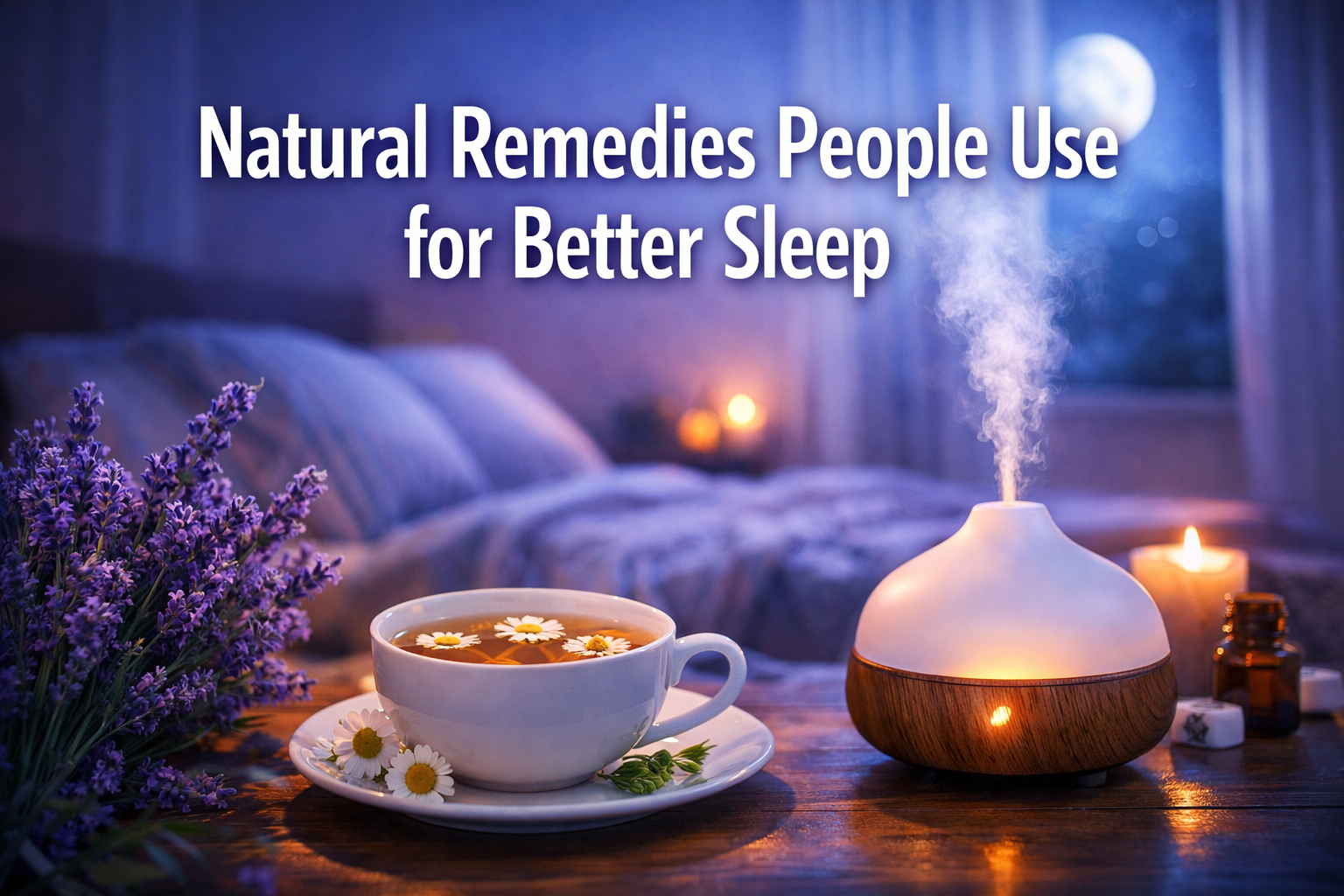
Tossing and turning at 2 AM while your mind races through tomorrow’s to-do list? You’re not alone. Millions of health-conscious individuals are ditching synthetic sleep aids and turning to time-tested, natural solutions that work with their body’s rhythms instead of against them. The natural remedies people use for better sleep have been helping humans rest peacefully for centuries – and modern science is finally catching up to prove why they work so well.
Key Takeaways
• Herbal remedies like valerian root, chamomile, and passionflower can significantly improve sleep quality without dependency risks
• Lifestyle adjustments including sleep hygiene, aromatherapy, and mindfulness practices create lasting improvements
• Nutritional support through magnesium, melatonin precursors, and specific foods can naturally regulate sleep cycles
• Environmental modifications like temperature control and light management optimize your bedroom for deeper rest
• Consistency matters more than perfection – small daily changes compound into major sleep improvements over time
The Science Behind Natural Sleep Solutions

Sleep isn’t just about feeling rested – it’s when your body repairs tissues, consolidates memories, and rebalances hormones. Unlike pharmaceutical sleep aids that often suppress natural sleep cycles, natural remedies people use for better sleep work by supporting your body’s existing mechanisms.
Your circadian rhythm, controlled by the suprachiasmatic nucleus in your brain, responds beautifully to natural cues. When you align your sleep practices with these biological signals, you’re working with your body instead of forcing it into submission.
“The best sleep remedies don’t force sleep – they remove the barriers preventing natural rest.” – Dr. Matthew Walker, Sleep Researcher
Herbal Powerhouses: Natural Remedies People Use for Better Sleep
Valerian Root: The Gentle Giant 🌿
Valerian root stands as one of the most researched sleep herbs available. This earthy-smelling root contains compounds that increase GABA levels in your brain – the same neurotransmitter that promotes relaxation and reduces anxiety.
How to use it:
- Take 300-600mg of standardized extract 30 minutes before bed
- Brew 2-3 grams of dried root as tea
- Start with lower doses to assess tolerance
What to expect: Most people notice improved sleep quality within 2-4 weeks of consistent use.
Chamomile: More Than Just Tea ☕
This daisy-like flower contains apigenin, a compound that binds to benzodiazepine receptors in your brain, creating a mild sedative effect. Unlike prescription sleep aids, chamomile won’t leave you groggy the next morning.
Research highlights:
- 34% improvement in sleep quality after 4 weeks (2016 study)
- Reduced time to fall asleep by an average of 15 minutes
- Decreased nighttime awakenings
Passionflower: Anxiety’s Natural Enemy 🌺
If racing thoughts keep you awake, passionflower might become your new best friend. This climbing vine increases GABA production while reducing cortisol levels – perfect for stress-induced insomnia.
Clinical evidence:
- 41% improvement in sleep quality scores
- Significant reduction in sleep anxiety
- Better morning alertness compared to placebo
Additional Herbal Allies
| Herb | Primary Benefit | Best For | Typical Dose |
|---|---|---|---|
| Lemon Balm | Calms nervous system | Stress-related insomnia | 300-500mg |
| Ashwagandha | Reduces cortisol | Chronic stress | 300-600mg |
| Magnolia Bark | Promotes deep sleep | Light sleepers | 200-400mg |
| Jujube Date | Nourishes nervous system | General sleep support | 500-1000mg |
Lifestyle Practices: Holistic Natural Remedies People Use for Better Sleep
Creating Your Sleep Sanctuary 🏠
Your bedroom environment plays a massive role in sleep quality. These modifications can dramatically improve your rest:
Temperature Control:
- Keep your room between 65-68°F (18-20°C)
- Use breathable, natural fiber bedding
- Consider a cooling mattress pad for hot sleepers
Light Management:
- Install blackout curtains or eye masks
- Use red-light bulbs for evening lighting
- Avoid blue light 2 hours before bed
Sound Optimization:
- Try white noise machines or earplugs
- Use nature sounds or binaural beats
- Consider the volume of your environment
Aromatherapy: Scents for Slumber 🌸
Essential oils work through your olfactory system to trigger relaxation responses in your brain. The most effective sleep-promoting scents include:
Lavender: The gold standard for sleep aromatherapy
- Reduces heart rate and blood pressure
- Increases deep sleep phases
- Use 2-3 drops on your pillow or in a diffuser
Roman Chamomile: Gentle and child-safe
- Calms nervous system
- Reduces nighttime anxiety
- Blend with lavender for enhanced effects
Bergamot: Unique citrus that relaxes rather than energizes
- Lowers cortisol levels
- Improves mood
- Use in evening baths or diffusers
Movement and Mindfulness Practices
Gentle Yoga Sequences:
Restorative yoga poses signal your nervous system to shift into rest mode:
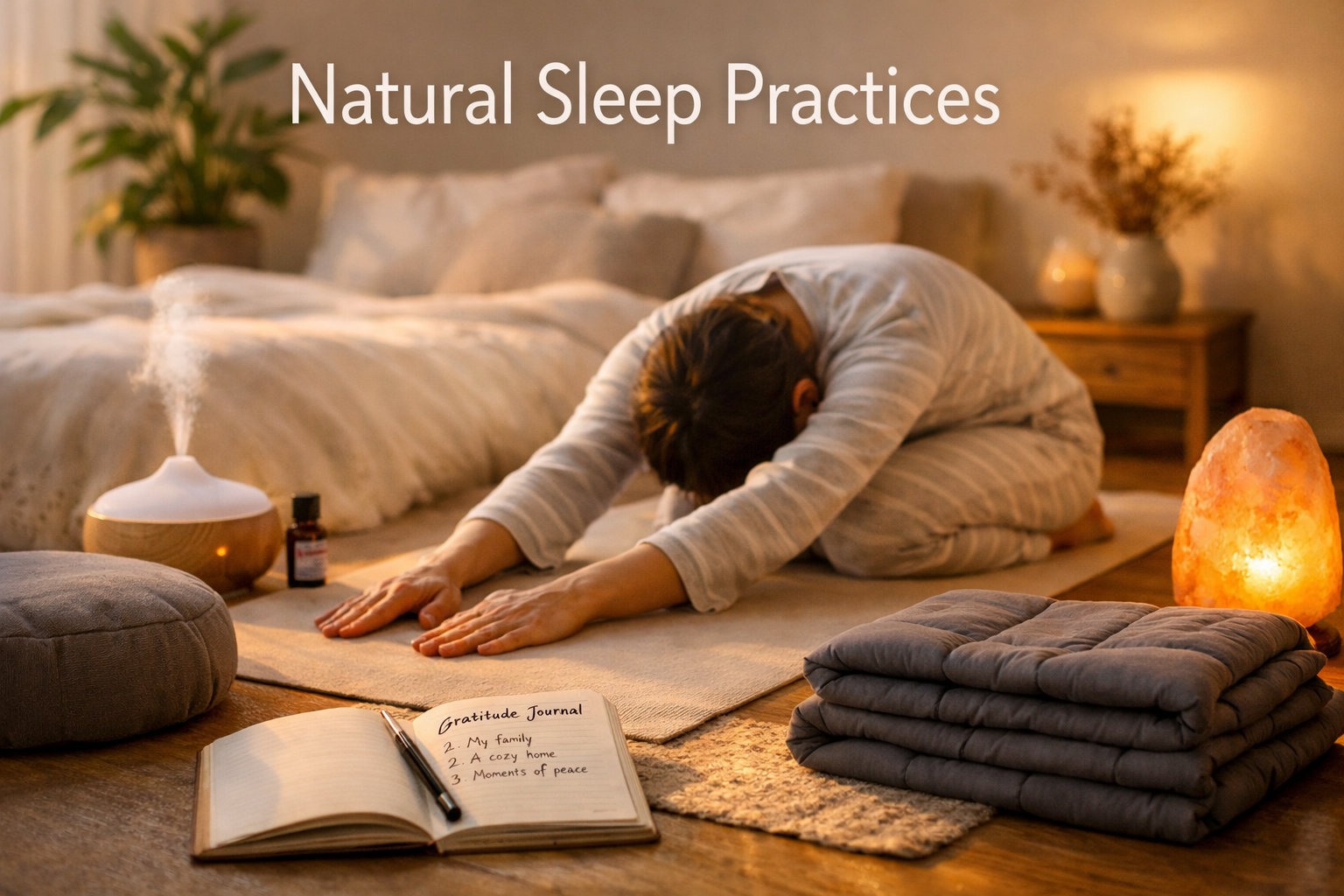
- Child’s pose (5 minutes)
- Legs up the wall (10 minutes)
- Gentle spinal twists (2 minutes each side)
Meditation Techniques:
- Body scan meditation: Progressively relax each muscle group
- 4-7-8 breathing: Inhale for 4, hold for 7, exhale for 8
- Mindfulness practice: Observe thoughts without judgment
Nutritional Support for Natural Sleep
Minerals That Matter 💊
Magnesium deficiency affects nearly 80% of adults and directly impacts sleep quality. This essential mineral:
- Activates the parasympathetic nervous system
- Regulates melatonin production
- Reduces muscle tension and cramps
Best food sources:
- Dark leafy greens (spinach, Swiss chard)
- Nuts and seeds (pumpkin seeds, almonds)
- Dark chocolate (70% cacao or higher)
- Avocados and bananas
Zinc works synergistically with magnesium to support deep sleep phases:
- Oysters and shellfish
- Grass-fed beef
- Pumpkin seeds
- Chickpeas and lentils
Sleep-Supporting Foods 🥗
Tart Cherry Juice: Natural source of melatonin
- Drink 8oz twice daily for best results
- Choose unsweetened varieties
- Consume 1-2 hours before bed
Complex Carbohydrates: Support serotonin production
- Oatmeal with banana and nuts
- Sweet potato with cinnamon
- Quinoa with roasted vegetables
Protein Sources with Tryptophan:
- Turkey and chicken
- Eggs and dairy products
- Pumpkin seeds and sesame seeds
Foods to Avoid Before Bed
❌ Caffeine (even 6 hours before sleep)
❌ Alcohol (disrupts REM sleep)
❌ Heavy, fatty meals (difficult to digest)
❌ Spicy foods (can cause heartburn)
❌ High sugar snacks (blood sugar spikes)
Advanced Natural Sleep Strategies
Circadian Rhythm Optimization ⏰
Your internal clock responds to consistent signals. Strengthen your circadian rhythm with these practices:
Morning Light Exposure:
- Get 10-15 minutes of sunlight within 2 hours of waking
- Use a light therapy box if natural light is limited
- Take morning walks or exercise outdoors
Evening Light Reduction:
- Dim lights 2 hours before bedtime
- Use blue light blocking glasses
- Install f.lux or similar software on devices
Temperature Therapy
Cool Down Techniques:
- Take a warm bath 90 minutes before bed (cooling effect afterward)
- Use cooling sheets or mattress pads
- Keep feet cool while keeping core warm
Contrast Therapy:
- Alternate between warm and cool temperatures
- End showers with 30 seconds of cool water
- Use cooling towels on neck and wrists
Stress Management Integration
Journaling Practices:
- Write down tomorrow’s tasks to clear your mind
- Practice gratitude journaling
- Use stream-of-consciousness writing to process emotions
Progressive Muscle Relaxation:
- Tense and release each muscle group for 5 seconds
- Start with toes and work up to your head
- Focus on the contrast between tension and relaxation
Creating Your Personal Sleep Protocol
Week 1: Foundation Building
- Establish consistent sleep and wake times
- Introduce one herbal remedy (start with chamomile tea)
- Optimize bedroom environment
Week 2: Habit Integration
- Add evening aromatherapy routine
- Begin gentle bedtime yoga or stretching
- Eliminate screens 1 hour before bed
Week 3: Fine-Tuning
- Experiment with different herbal combinations
- Adjust meal timing and food choices
- Implement stress management techniques
Week 4: Optimization
- Track what works best for your body
- Adjust dosages and timing
- Create sustainable long-term practices
Common Mistakes to Avoid
Expecting Immediate Results: Natural remedies work gradually – give them 2-4 weeks to show full effects.
Mixing Too Many Remedies: Start with one or two approaches and add others slowly.
Ignoring Underlying Issues: Address root causes like stress, anxiety, or medical conditions.
Inconsistent Application: Sporadic use won’t create lasting changes in sleep patterns.
Wrong Timing: Take herbs and supplements at optimal times for maximum effectiveness.
When to Seek Professional Help
Consider consulting a healthcare provider if you experience:
- Chronic insomnia lasting more than 3 weeks
- Loud snoring or breathing interruptions
- Excessive daytime fatigue despite adequate sleep time
- Sleep issues affecting work or relationships
- Symptoms of sleep apnea or restless leg syndrome
Conclusion
The natural remedies people use for better sleep offer a gentle, effective path to restful nights without the risks associated with pharmaceutical sleep aids. From time-tested herbs like valerian and chamomile to lifestyle practices that support your natural circadian rhythms, these approaches work with your body’s wisdom rather than against it.
Your next steps:
- Choose one herbal remedy to try for the next 2 weeks
- Optimize your sleep environment with temperature and light control
- Establish a consistent bedtime routine that includes relaxation practices
- Track your progress in a sleep journal to identify what works best
- Be patient and consistent – natural approaches reward persistence
Remember, quality sleep isn’t a luxury – it’s a fundamental pillar of health that affects everything from immune function to mental clarity. By embracing these natural approaches, you’re investing in better health, improved mood, and enhanced quality of life. Sweet dreams await! 🌙✨