Best Essential Oils for Cold & Flu Symptoms
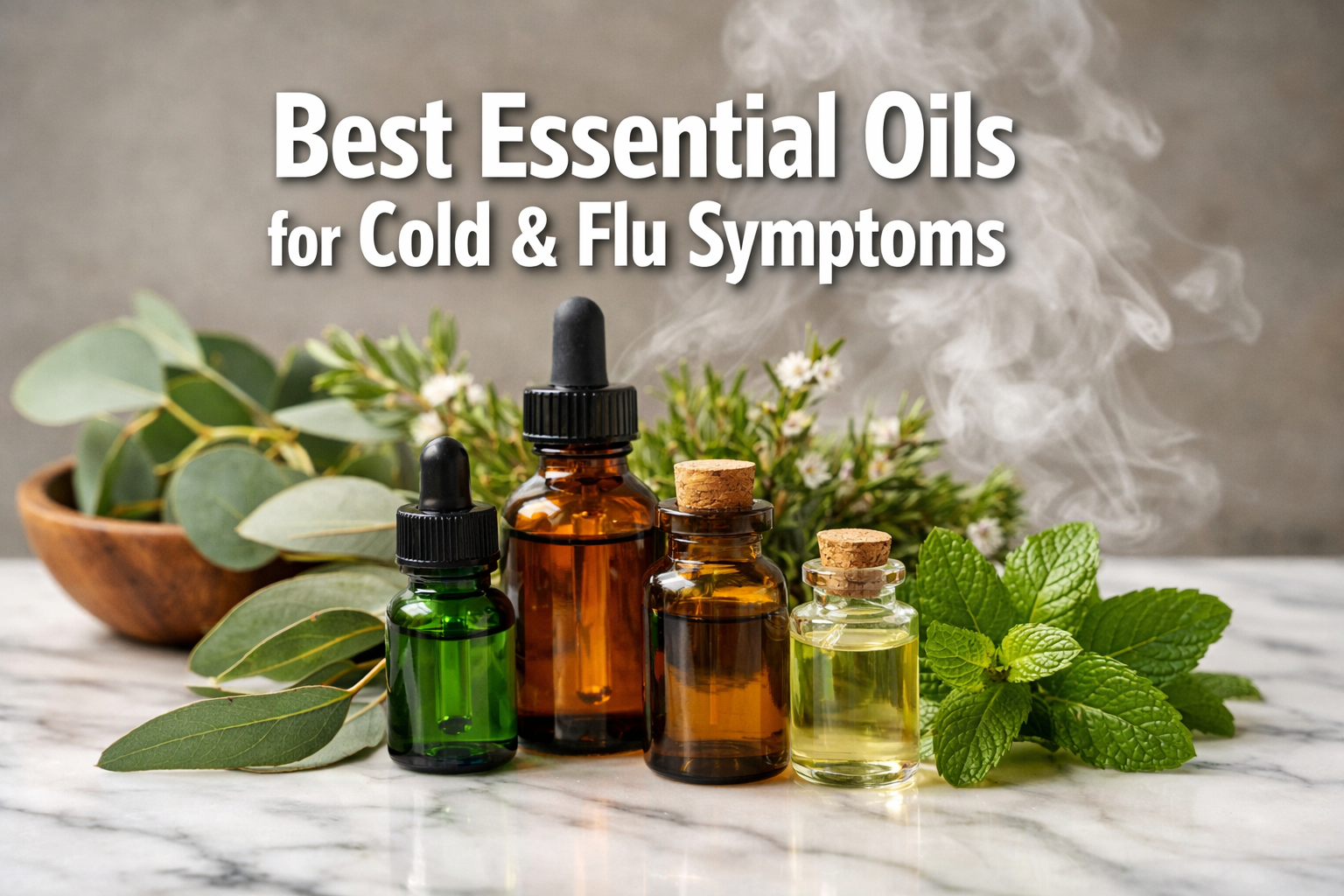
When cold and flu season arrives, many health-conscious individuals seek natural alternatives to support their wellness journey. The Best Essential Oils for Cold & Flu Symptoms offer a time-tested approach to respiratory comfort, combining ancient wisdom with modern understanding of plant-based healing. These aromatic powerhouses can provide soothing relief while supporting your body’s natural defenses during challenging times.
Key Takeaways
• Eucalyptus, peppermint, and tea tree oils are among the most effective essential oils for respiratory support and congestion relief
• Proper dilution and safe application methods are crucial for maximizing benefits while avoiding skin irritation or adverse reactions
• Steam inhalation and diffusion are two of the safest and most effective delivery methods for respiratory symptoms
• Quality matters significantly – choose pure, therapeutic-grade oils from reputable sources for best results
• Essential oils complement but don’t replace conventional medical care, especially for severe or persistent symptoms
Understanding Essential Oils and Respiratory Wellness
Essential oils are concentrated plant extracts that capture the natural aromatic compounds responsible for a plant’s therapeutic properties. When it comes to cold and flu symptoms, these botanical allies work through multiple pathways to provide comfort and support.
The respiratory system benefits from essential oils primarily through:
- Antimicrobial properties that may help reduce harmful microorganisms
- Anti-inflammatory compounds that can soothe irritated tissues
- Decongestant effects that help clear blocked airways
- Antispasmodic qualities that may ease coughing fits
- Immune-supporting compounds that work alongside your body’s natural defenses
How Essential Oils Work for Cold and Flu Relief
When you inhale essential oil molecules, they travel through your nasal passages and can reach your respiratory system quickly. Some compounds may also be absorbed through the skin when applied topically with proper dilution.
The olfactory system plays a key role in essential oil effectiveness. Scent molecules bind to receptors in your nose, sending signals to the brain that can trigger various physiological responses, including relaxation and improved breathing comfort.
Top Essential Oils for Cold and Flu Symptoms
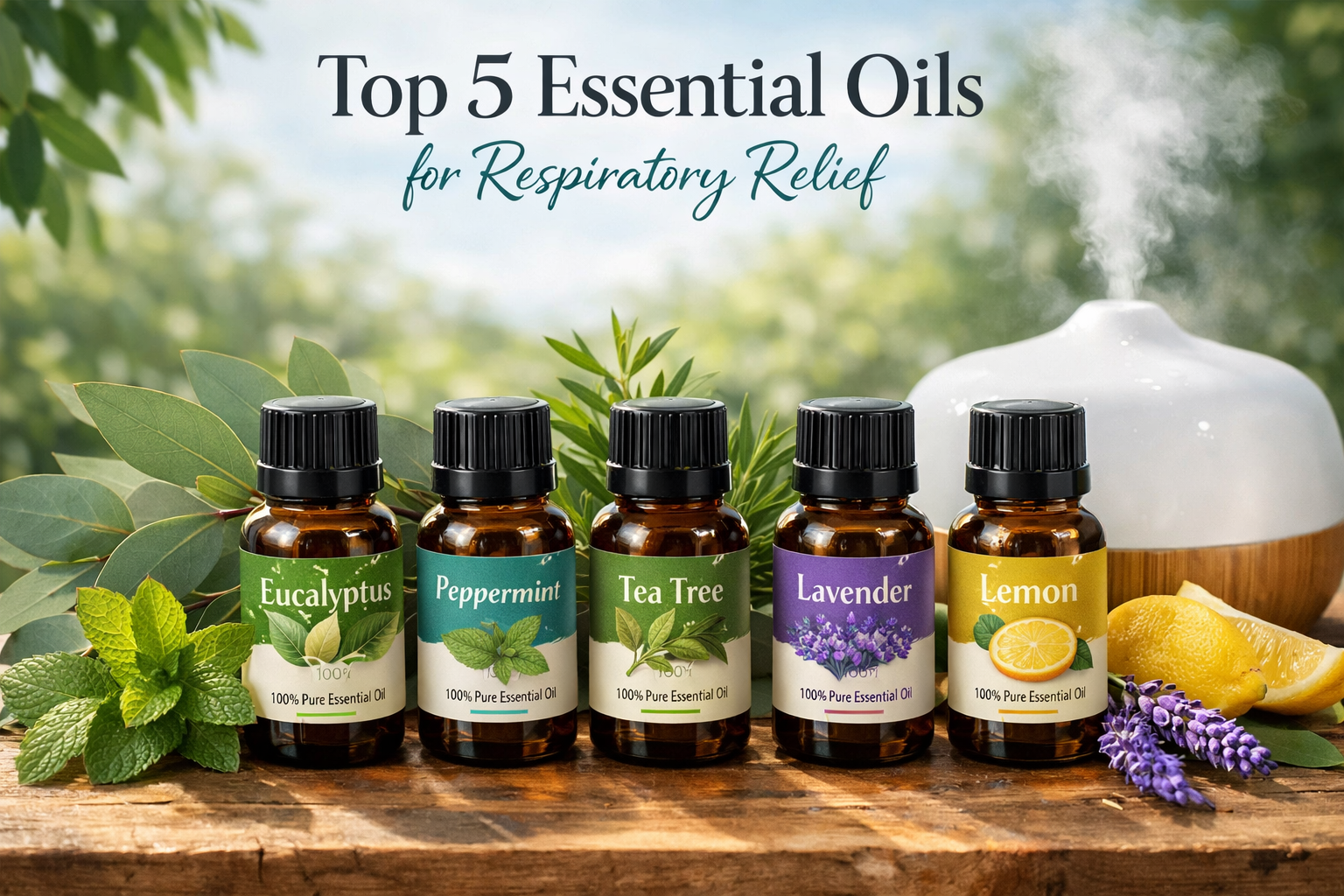
1. Eucalyptus Oil: The Respiratory Champion 🌲
Eucalyptus globulus stands out as one of the most researched essential oils for respiratory support. Its primary compound, eucalyptol (1,8-cineole), provides powerful decongestant and antimicrobial benefits.
Key Benefits:
- Helps clear nasal congestion
- Supports easier breathing
- May reduce inflammation in airways
- Provides cooling, soothing sensation
Best Uses:
- Steam inhalation for congestion relief
- Diffusion in bedroom during rest
- Chest rub when properly diluted
2. Peppermint Oil: Cooling Comfort ❄️
The menthol in Mentha piperita creates a cooling sensation that can help open airways and provide relief from stuffiness. This refreshing oil also offers antimicrobial and antispasmodic properties.
Key Benefits:
- Natural decongestant effects
- Cooling sensation for sinus pressure
- May help reduce cough frequency
- Energizing aroma combats fatigue
Best Uses:
- Gentle inhalation from hands
- Diffusion for room purification
- Diluted application to temples (avoiding eyes)
3. Tea Tree Oil: Nature’s Antiseptic 🍃
Melaleuca alternifolia brings powerful antimicrobial properties to your wellness routine. This Australian native has been used traditionally for respiratory support and continues to show promise in modern research.
Key Benefits:
- Strong antimicrobial activity
- May help purify air when diffused
- Supports healthy immune response
- Helps clear respiratory passages
Best Uses:
- Room diffusion for air purification
- Steam inhalation (use sparingly)
- Diluted chest application
4. Lavender Oil: Gentle Support 💜
While Lavandula angustifolia is famous for relaxation, it also offers valuable respiratory benefits. Its gentle nature makes it suitable for sensitive individuals and nighttime use.
Key Benefits:
- Calming properties promote restful sleep
- Mild antimicrobial effects
- Reduces inflammation
- Gentle enough for children (properly diluted)
Best Uses:
- Bedtime diffusion for peaceful rest
- Gentle chest rub for children
- Pillow spray for nighttime comfort
5. Lemon Oil: Citrus Clarity 🍋
Citrus limon provides uplifting aromatherapy benefits while supporting respiratory wellness. Its fresh scent can help combat the mental fog that often accompanies illness.
Key Benefits:
- Mood-boosting properties
- Natural antimicrobial effects
- May help reduce mucus production
- Energizing when feeling run down
Best Uses:
- Morning diffusion for energy
- Throat gargle (food-grade only)
- Room spray for freshening air
Safe Application Methods for Best Essential Oils for Cold & Flu Symptoms
Steam Inhalation: Direct Respiratory Relief
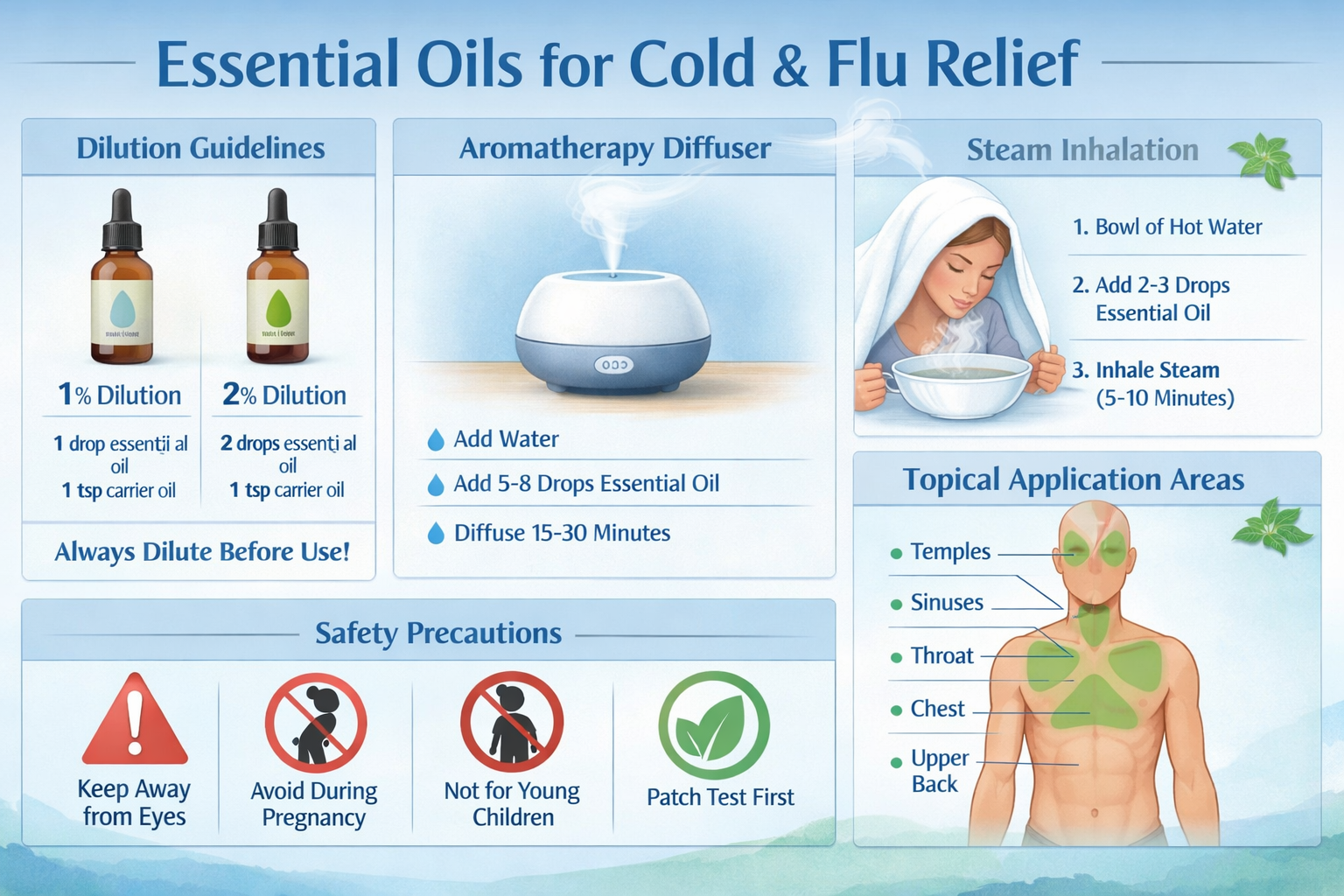
Steam inhalation offers one of the most effective ways to deliver essential oil benefits directly to your respiratory system.
How to Create a Steam Inhalation:
- Boil 2-3 cups of water and pour into a large bowl
- Add 2-3 drops of your chosen essential oil
- Create a tent with a towel over your head and the bowl
- Inhale gently for 5-10 minutes with eyes closed
- Take breaks if the steam feels too intense
Best Oils for Steam Inhalation:
- Eucalyptus (2 drops maximum)
- Tea tree (1-2 drops)
- Peppermint (1 drop – very strong)
Diffusion: Room-Wide Benefits
Ultrasonic diffusers provide gentle, consistent aromatherapy without heat that could damage delicate oil compounds.
Diffusion Guidelines:
- Use 3-5 drops per 100ml of water
- Run for 30-60 minutes at a time
- Take breaks between sessions
- Ensure good ventilation in the room
Topical Application: Targeted Relief
Always dilute essential oils before skin contact to prevent irritation and sensitization.
Safe Dilution Ratios:
- Adults: 2-3 drops per teaspoon of carrier oil
- Children 6-12: 1 drop per teaspoon of carrier oil
- Children 2-6: 1 drop per tablespoon of carrier oil
Recommended Carrier Oils:
- Coconut oil (solid at room temperature)
- Sweet almond oil (light, absorbs well)
- Jojoba oil (technically a wax, very stable)
Aromatherapy Inhalation: Quick Relief
For immediate relief, try direct inhalation methods:
- Palm inhalation: 1-2 drops in palms, rub together, cup over nose
- Tissue method: 1 drop on tissue, inhale gently
- Personal inhaler: Commercial inhaler stick with oil blend
Creating Your Essential Oil Cold & Flu Blend
Respiratory Relief Blend Recipe
Ingredients:
- 3 drops eucalyptus oil
- 2 drops tea tree oil
- 2 drops lavender oil
- 1 drop peppermint oil
- 2 tablespoons carrier oil (for topical use)
Instructions:
- Combine essential oils in a dark glass bottle
- Add carrier oil if making topical blend
- Shake gently before each use
- Label clearly with contents and date
Diffuser Blend for Congestion
“Clear Breathing” Blend:
- 2 drops eucalyptus
- 2 drops lemon
- 1 drop peppermint
Add to diffuser with recommended water amount and enjoy throughout the day.
Safety Considerations and Precautions ⚠️
Essential Oil Safety Guidelines
Quality Matters: Choose therapeutic-grade oils from reputable suppliers who provide:
- GC/MS testing results showing purity
- Botanical names on labels
- Country of origin information
- Proper storage recommendations
Who Should Exercise Extra Caution
Pregnant and nursing women should:
- Consult healthcare providers before use
- Avoid certain oils like rosemary and sage
- Use lower dilution ratios
- Stick to gentle oils like lavender
Children under 2 should:
- Only use lavender and chamomile (properly diluted)
- Never have oils applied near face or nose
- Always have adult supervision during use
People with asthma or respiratory conditions should:
- Start with very small amounts
- Avoid direct inhalation methods
- Choose gentle diffusion instead
- Stop use if symptoms worsen
Potential Side Effects to Watch For
Discontinue use if you experience:
- Skin redness or irritation
- Difficulty breathing
- Headaches or dizziness
- Nausea or digestive upset
- Increased respiratory symptoms
Maximizing Effectiveness of Essential Oils
Timing Your Essential Oil Use
Morning routine:
- Energizing oils like lemon and peppermint
- Diffusion while getting ready
- Steam shower with eucalyptus
Evening routine:
- Calming oils like lavender
- Gentle chest rub before bed
- Bedroom diffusion for restful sleep
Supporting Your Recovery
Essential oils work best as part of a comprehensive wellness approach:
Hydration: Drink plenty of water to help thin mucus and support your body’s natural detox processes.
Rest: Quality sleep allows your immune system to focus on recovery.
Nutrition: Whole foods provide the nutrients your body needs for healing.
Gentle movement: Light stretching or walking can help maintain circulation without overtaxing your system.
When to Seek Professional Medical Care
While essential oils can provide valuable support, certain symptoms require medical attention:
- Fever above 103°F (39.4°C)
- Difficulty breathing or chest pain
- Symptoms lasting more than 10 days
- Severe headache or sinus pain
- Signs of secondary infection
Essential oils complement but don’t replace appropriate medical care when needed.
Building Your Essential Oil Medicine Cabinet
Starter Kit for Cold and Flu Season
Essential purchases:
- Eucalyptus oil – respiratory support powerhouse
- Lavender oil – gentle, versatile, family-friendly
- Tea tree oil – antimicrobial properties
- Carrier oil – sweet almond or coconut
- Quality diffuser – ultrasonic type preferred
Storage and Shelf Life
Proper storage extends oil life:
- Dark glass bottles protect from light damage
- Cool, dry places prevent degradation
- Tight caps prevent oxidation
- Away from children for safety
Typical shelf life:
- Citrus oils: 1-2 years
- Most other oils: 3-5 years
- Properly stored oils maintain potency longer
Conclusion: Embracing Natural Respiratory Support
The Best Essential Oils for Cold & Flu Symptoms offer a natural, aromatic approach to supporting your wellness during challenging times. From eucalyptus’s powerful decongestant properties to lavender’s gentle, calming effects, these plant-based allies provide multiple pathways to comfort and relief.
Remember the key principles for safe, effective use:
- Always dilute oils properly before skin contact
- Start with small amounts to test your response
- Choose quality oils from trusted sources
- Use as complementary support alongside appropriate medical care when needed
Take action today by building your natural wellness toolkit with one or two essential oils that appeal to you. Start with gentle methods like diffusion or steam inhalation, and gradually explore other applications as you become more comfortable with these powerful plant extracts.
Your journey toward natural respiratory wellness begins with a single drop. Choose wisely, use safely, and breathe easier knowing you’re supporting your body with nature’s finest aromatic medicine.