Best Essential Oils for Eczema
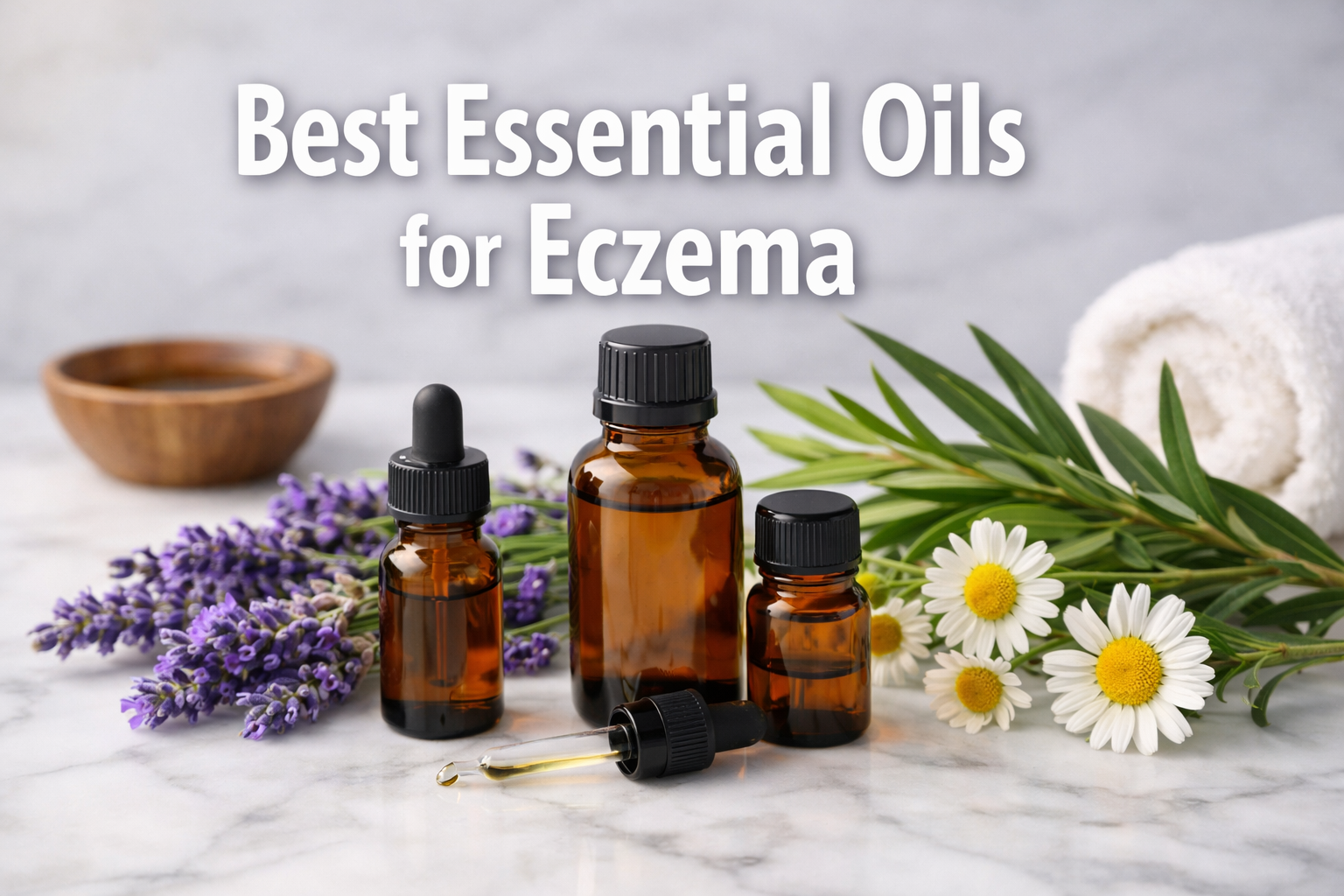
Living with eczema can feel like an endless battle against itchy, inflamed skin that never seems to calm down. If you’re tired of harsh chemicals and looking for gentler alternatives, you’re not alone. The best essential oils for eczema offer a natural approach to soothing irritated skin and supporting your body’s healing process.
Key Takeaways
• Lavender and chamomile are the most gentle and effective essential oils for eczema-prone skin
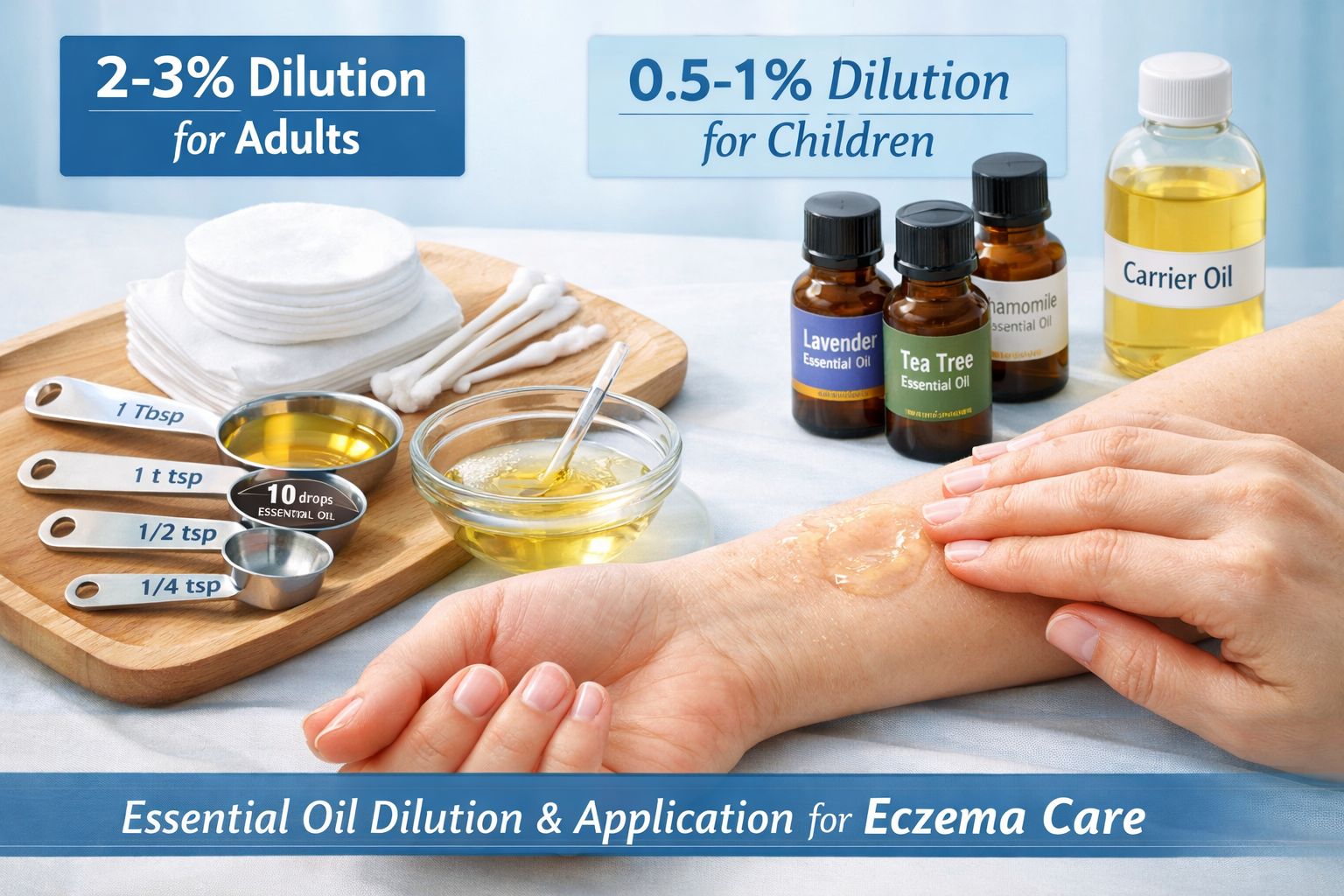
• Always dilute essential oils with carrier oils before applying to skin (2-3% dilution for adults)
• Patch testing is crucial before using any new essential oil, especially for sensitive skin
• Tea tree and eucalyptus oils provide antimicrobial benefits but require extra caution
• Consistency in application combined with proper skincare routine yields best results
Understanding Eczema and Natural Treatment Options
Eczema, also known as atopic dermatitis, affects millions of people worldwide. This chronic skin condition causes red, itchy, and inflamed patches that can appear anywhere on the body. While conventional treatments often rely on steroids and synthetic ingredients, many people are turning to natural alternatives.
Essential oils have been used for centuries to treat various skin conditions. These concentrated plant extracts contain powerful compounds that can help reduce inflammation, fight bacteria, and promote healing. However, not all essential oils are suitable for sensitive, eczema-prone skin.
Why Choose Natural Treatments?
Natural treatments offer several advantages for eczema management:
- Fewer side effects compared to synthetic medications
- Gentle on sensitive skin when properly diluted
- Additional aromatherapy benefits for stress reduction
- Cost-effective long-term solution
- Customizable to individual skin needs
The Best Essential Oils for Eczema Relief 🌿
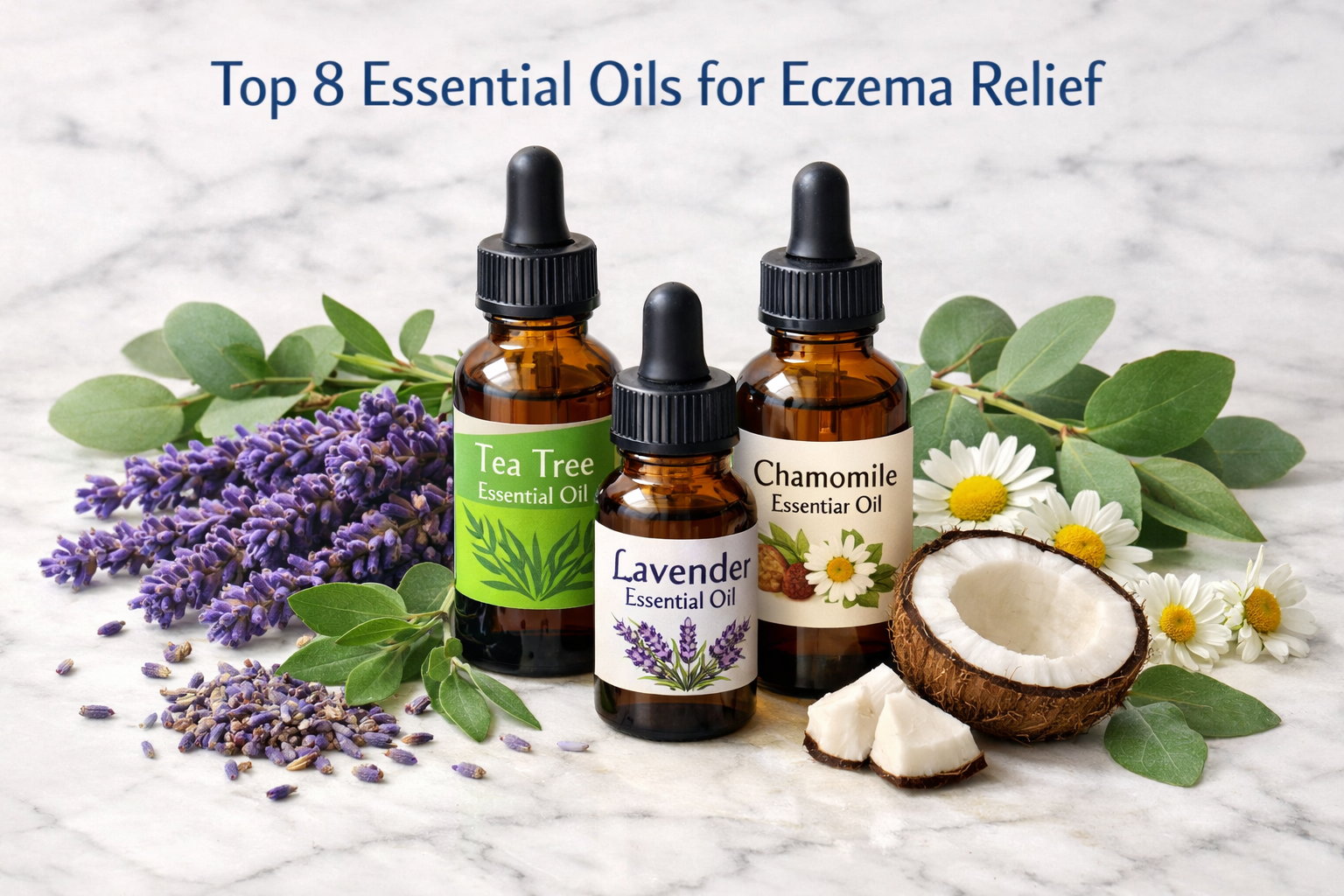
When selecting essential oils for eczema, it’s important to choose oils known for their gentle, anti-inflammatory, and healing properties. Here are the top options that have shown promise in supporting skin health:
1. Lavender Oil – The Gentle Giant
Lavender oil stands out as one of the most versatile and gentle options for eczema care. Its anti-inflammatory and antimicrobial properties make it ideal for sensitive skin.
Benefits:
- Reduces inflammation and redness
- Promotes skin healing
- Provides calming aromatherapy effects
- Generally well-tolerated by most people
How to use: Mix 2-3 drops with 1 tablespoon of carrier oil and apply to affected areas twice daily.
2. Chamomile Oil – Nature’s Soother
German chamomile oil contains azulene, a compound that gives it a beautiful blue color and powerful anti-inflammatory properties.
Benefits:
- Excellent for reducing skin irritation
- Contains natural antihistamines
- Helps calm itching sensations
- Supports skin barrier repair
3. Tea Tree Oil – The Antimicrobial Powerhouse
Tea tree oil offers strong antimicrobial properties, making it useful for preventing secondary infections that can occur with eczema.
Benefits:
- Fights bacteria and fungi
- Reduces inflammation
- Helps prevent infection
- Caution: Must be heavily diluted (0.5-1%) due to potency
4. Frankincense Oil – The Skin Regenerator
This precious oil has been valued for thousands of years for its ability to support skin regeneration and healing.
Benefits:
- Promotes new cell growth
- Reduces appearance of scars
- Anti-inflammatory properties
- Gentle enough for daily use
5. Geranium Oil – The Balancer
Geranium oil helps balance skin moisture levels and provides gentle antimicrobial action.
Benefits:
- Balances skin oil production
- Promotes healing
- Pleasant floral scent
- Anti-inflammatory effects
How to Use the Best Essential Oils for Eczema Safely
Safety should always be your top priority when using essential oils on sensitive skin. Follow these guidelines to maximize benefits while minimizing risks:
Dilution Guidelines 📏
| Age Group | Dilution Percentage | Drops per Tablespoon of Carrier Oil |
|---|---|---|
| Adults | 2-3% | 4-6 drops |
| Children (2-12) | 0.5-1% | 1-2 drops |
| Babies (6+ months) | 0.25% | 1 drop per 2 tablespoons |
Best Carrier Oils for Eczema
Choose carrier oils that complement the healing properties of essential oils:
- Coconut oil – Natural antimicrobial properties
- Jojoba oil – Closely mimics skin’s natural oils
- Sweet almond oil – Gentle and moisturizing
- Sunflower oil – Rich in vitamin E
- Argan oil – Excellent for skin barrier repair
Application Methods
Topical Application:
- Mix essential oil with carrier oil
- Apply to clean, slightly damp skin
- Gently massage in circular motions
- Use 2-3 times daily or as needed
Bath Soaks:
- Add 5-8 drops to 1 tablespoon of carrier oil
- Mix into warm (not hot) bath water
- Soak for 10-15 minutes
- Pat skin dry and apply moisturizer
Creating Your Best Essential Oils for Eczema Blend
Combining multiple oils can create synergistic effects that are more powerful than using single oils alone. Here are some effective blend recipes:
Gentle Daily Blend
- 3 drops lavender oil
- 2 drops chamomile oil
- 1 tablespoon jojoba oil
Intensive Healing Blend
- 2 drops frankincense oil
- 2 drops lavender oil
- 1 drop geranium oil
- 1 tablespoon coconut oil
Anti-Inflammatory Blend
- 2 drops chamomile oil
- 2 drops lavender oil
- 1 drop tea tree oil (heavily diluted)
- 1 tablespoon sweet almond oil
Precautions and Safety Tips ⚠️
While essential oils can be beneficial for eczema, they’re not suitable for everyone. Keep these safety considerations in mind:
Always Patch Test
Before using any new essential oil:
- Apply a small amount of diluted oil to your inner wrist
- Wait 24-48 hours
- Watch for any signs of irritation
- Discontinue use if reactions occur
Oils to Avoid with Eczema
Some essential oils can be too harsh for sensitive skin:
- Cinnamon oil
- Clove oil
- Oregano oil
- Thyme oil
- Peppermint oil (can be cooling but may irritate)
When to Consult a Healthcare Provider
Seek professional advice if you experience:
- Severe skin reactions
- Signs of infection (pus, fever, red streaking)
- Worsening symptoms despite treatment
- Concerns about drug interactions
Complementary Natural Approaches
The best essential oils for eczema work even better when combined with other natural approaches:
Dietary Considerations
- Identify and avoid trigger foods
- Include anti-inflammatory foods like omega-3 rich fish
- Consider probiotics for gut health
- Stay hydrated with plenty of water
Lifestyle Modifications
- Use gentle, fragrance-free skincare products
- Keep fingernails short to prevent scratching
- Wear soft, breathable fabrics like cotton
- Manage stress through relaxation techniques
- Maintain consistent sleep schedule
Environmental Factors
- Use a humidifier to prevent dry air
- Avoid harsh detergents and fabric softeners
- Keep living spaces clean but not overly sterile
- Identify and minimize exposure to allergens
Building Your Natural Eczema Care Routine
Creating a consistent routine with the best essential oils for eczema can help manage symptoms long-term:
Morning Routine
- Gentle cleansing with lukewarm water
- Pat skin dry (don’t rub)
- Apply diluted essential oil blend to affected areas
- Follow with fragrance-free moisturizer
- Protect skin from environmental irritants
Evening Routine
- Remove any makeup or sunscreen gently
- Take a warm bath with essential oil blend (2-3 times per week)
- Apply intensive healing blend to problem areas
- Use a heavier moisturizer or natural balm
- Practice relaxation techniques to reduce stress
Monitoring Your Progress
Keep track of your skin’s response to essential oil treatments:
- Take photos to document improvements
- Note trigger factors that worsen symptoms
- Record which oils work best for your skin
- Track application frequency and results
- Adjust blends based on seasonal changes
The Science Behind Essential Oils and Eczema
Recent research has shown promising results for essential oil use in eczema management. Studies have found that:
- Lavender oil can reduce skin inflammation markers
- Tea tree oil demonstrates antimicrobial activity against common skin pathogens
- Chamomile compounds help strengthen the skin barrier
- Regular moisturizing with natural oils improves skin hydration
While more research is needed, the existing evidence supports the traditional use of these oils for skin health.
Conclusion
The best essential oils for eczema offer a natural, gentle approach to managing this challenging skin condition. Lavender, chamomile, tea tree, frankincense, and geranium oils each bring unique benefits that can help soothe inflammation, prevent infection, and support skin healing.
Remember that success with essential oils requires patience, consistency, and proper safety practices. Always dilute oils appropriately, perform patch tests, and listen to your skin’s responses. When combined with other natural approaches like dietary modifications and stress management, essential oils can become a valuable part of your eczema care toolkit.
Your next steps:
- Choose 1-2 essential oils to start with (lavender and chamomile are excellent beginner options)
- Purchase a high-quality carrier oil like jojoba or sweet almond oil
- Perform patch tests before full application
- Start with simple blends and adjust based on your skin’s response
- Track your progress and be patient with the natural healing process
With the right approach and quality oils, you can work toward calmer, more comfortable skin naturally. Your journey to better skin health starts with that first gentle application of nature’s healing remedies.