Best Essential Oils for Oily Skin
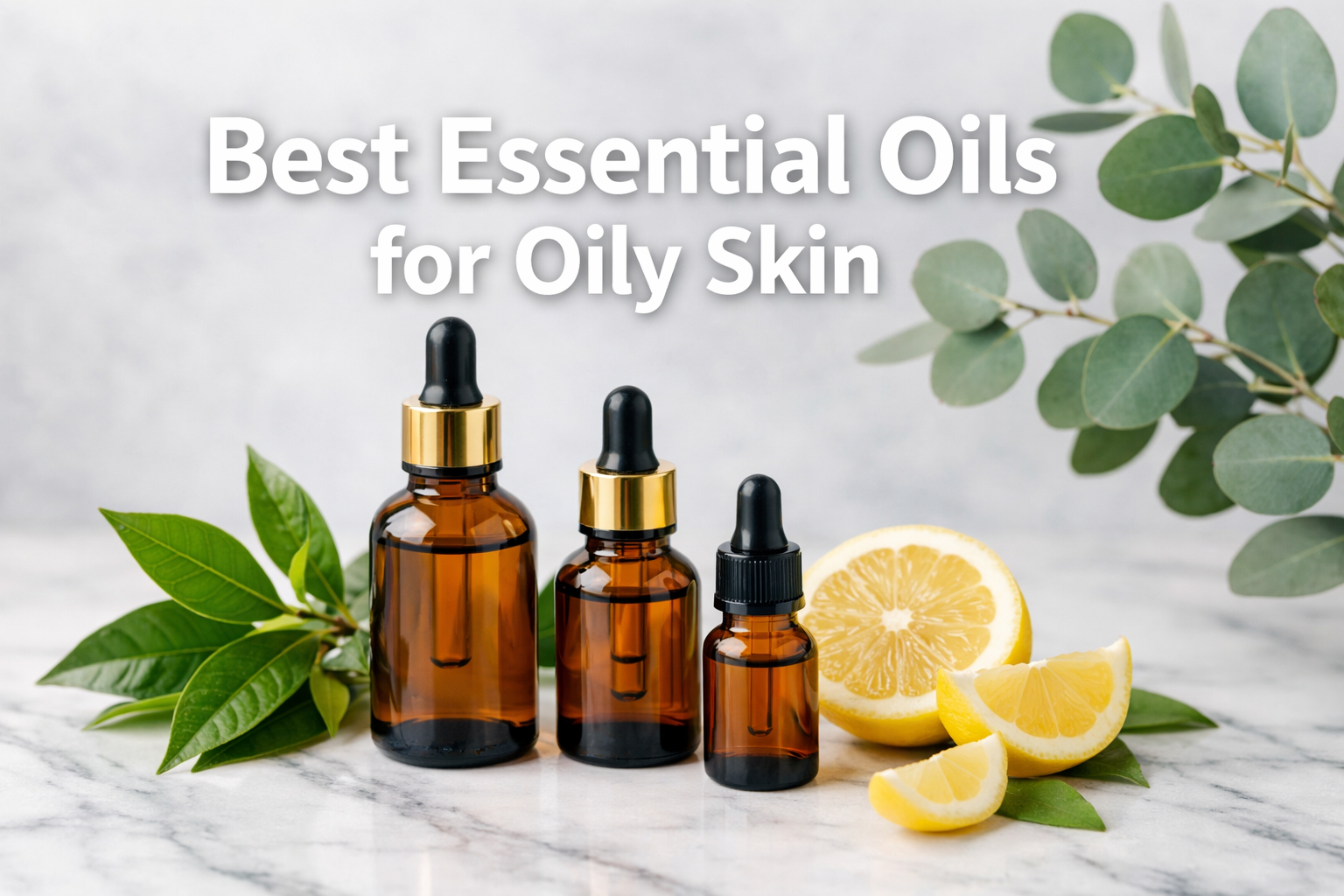
Tired of dealing with shiny, greasy skin that seems impossible to control? 🌿 The answer to your oily skin struggles might be sitting right in nature’s pharmacy. While many people turn to harsh chemicals and expensive treatments, the Best Essential Oils for Oily Skin offer a gentle, natural approach that works with your skin rather than against it.
Essential oils have been used for thousands of years to treat various skin conditions, and modern research continues to support their effectiveness. These powerful plant extracts can help regulate oil production, reduce inflammation, and give you the clear, balanced complexion you’ve been dreaming of.
Key Takeaways
• Tea tree oil is the most researched essential oil for oily skin, with proven antibacterial properties
• Always dilute essential oils with carrier oils before applying to prevent skin irritation
• Consistency is key – regular use of the right essential oils can significantly improve oily skin over time
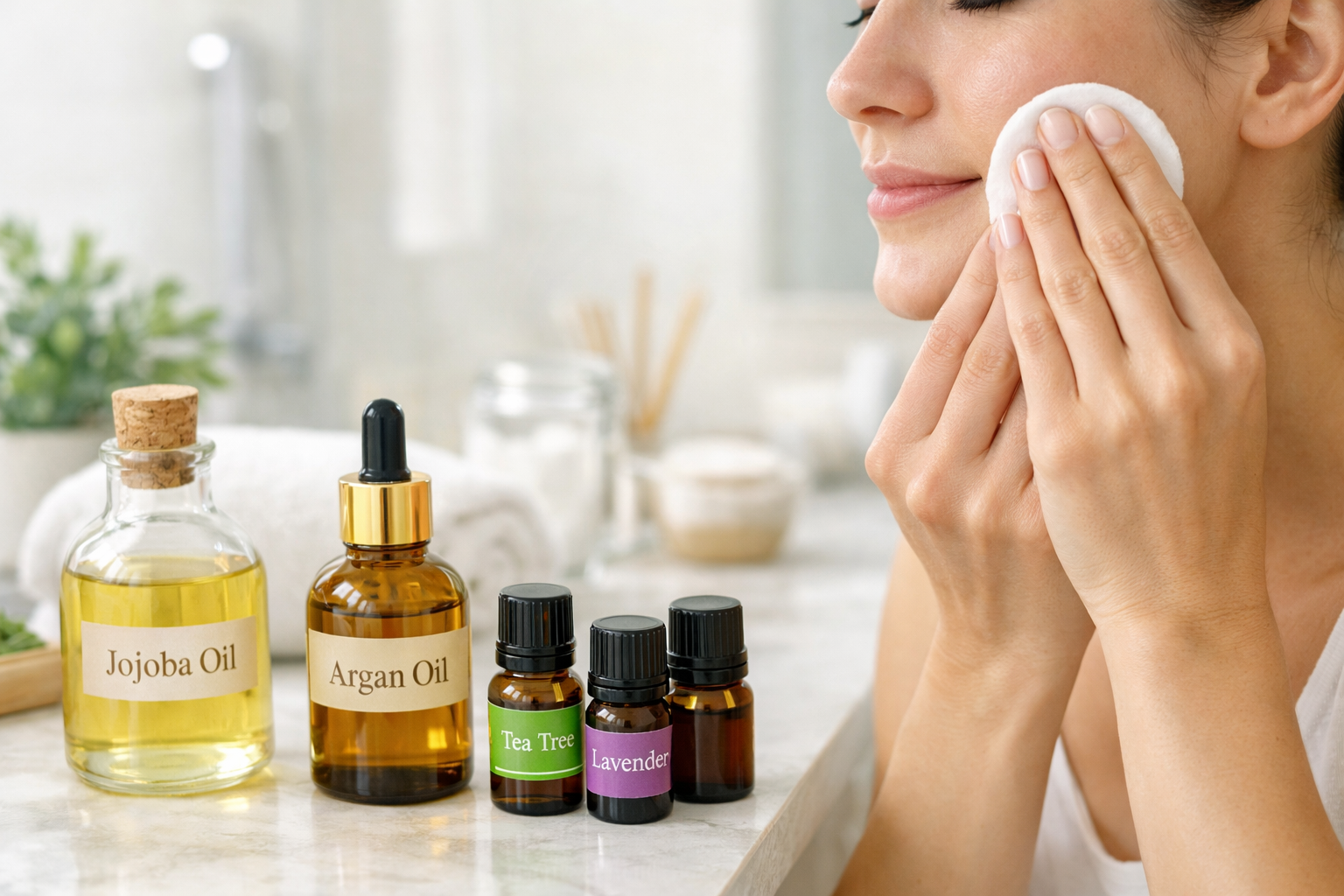
• Jojoba oil works as both a carrier oil and treatment, closely mimicking your skin’s natural sebum
• Patch testing is essential before using any new essential oil to avoid allergic reactions
Understanding Oily Skin and How Essential Oils Help
Oily skin happens when your sebaceous glands produce too much sebum – the natural oil that keeps your skin moisturized. While some oil is necessary for healthy skin, excess production can lead to:
- Shiny appearance throughout the day
- Enlarged pores
- Blackheads and whiteheads
- Acne breakouts
- Makeup that doesn’t stay put
Essential oils work differently than traditional treatments. Instead of stripping your skin of all its natural oils (which often makes the problem worse), these plant-based solutions help balance oil production naturally. They contain compounds that can:
✅ Regulate sebum production
✅ Kill acne-causing bacteria
✅ Reduce inflammation
✅ Tighten pores
✅ Balance skin pH
The Best Essential Oils for Oily Skin: Top Natural Solutions
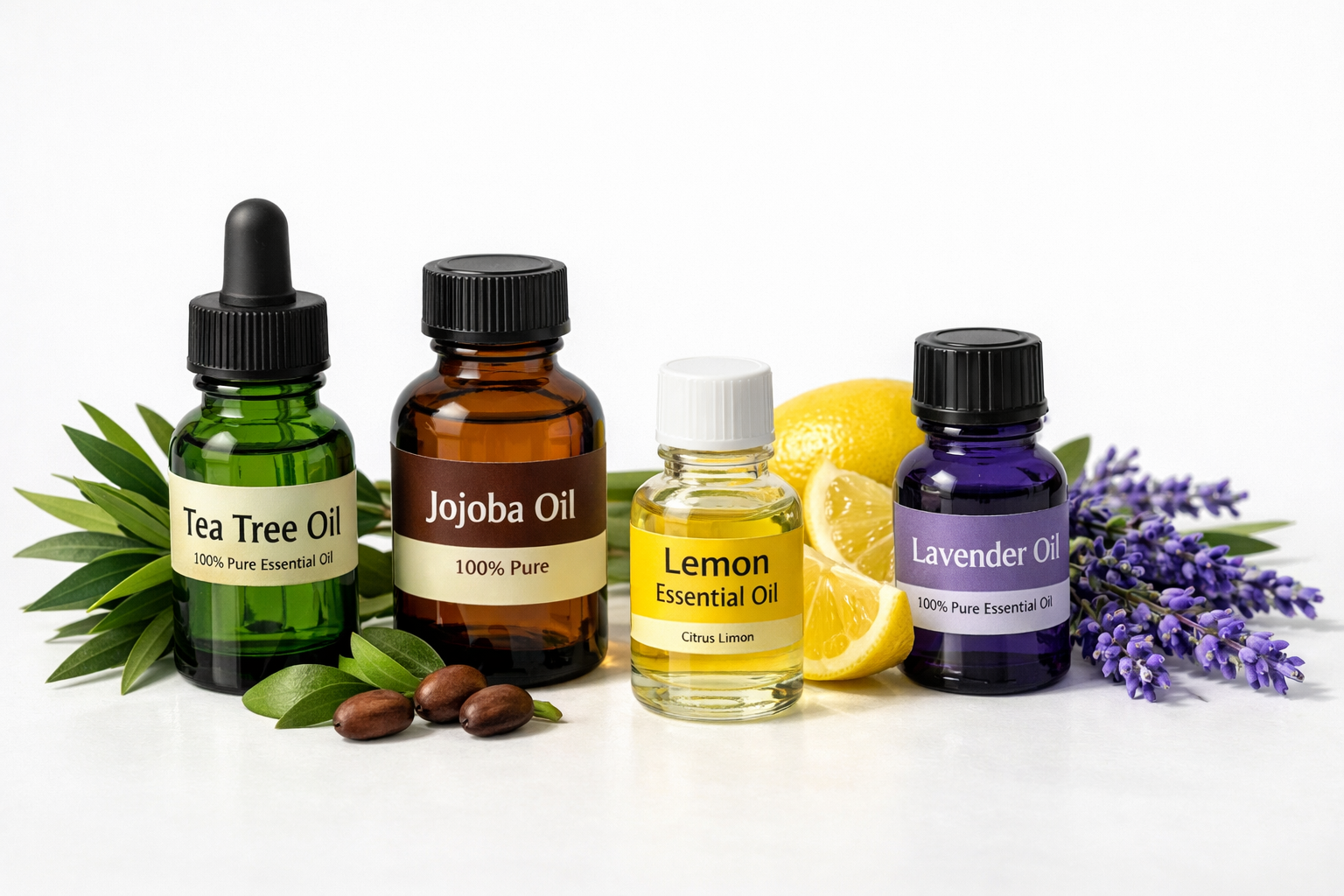
1. Tea Tree Oil 🌱
Why it works: Tea tree oil is the superstar of oily skin care. This Australian native plant produces an oil with powerful antimicrobial properties that can reduce acne-causing bacteria by up to 95%.
Key benefits:
- Fights P. acnes bacteria
- Reduces inflammation
- Helps unclog pores
- Controls excess oil production
How to use: Mix 1-2 drops with a carrier oil like jojoba or apply diluted in a toner (5% concentration maximum).
2. Jojoba Oil
Why it works: Technically a wax ester, jojoba oil closely mimics your skin’s natural sebum. When you apply it, your skin thinks it has enough oil and reduces its own production.
Key benefits:
- Balances oil production
- Non-comedogenic (won’t clog pores)
- Absorbs quickly
- Provides light moisture
How to use: Apply 2-3 drops directly to clean skin or use as a carrier oil for other essentials.
3. Lemon Essential Oil 🍋
Why it works: Rich in limonene and citric acid, lemon oil helps remove excess oil while providing gentle exfoliation and pore tightening.
Key benefits:
- Natural astringent properties
- Brightens skin tone
- Helps minimize pore appearance
- Provides vitamin C antioxidants
How to use: Always dilute (1-2 drops per tablespoon of carrier oil) and avoid sun exposure after application due to photosensitivity.
4. Lavender Oil
Why it works: While known for relaxation, lavender oil has antimicrobial and anti-inflammatory properties that make it excellent for oily, acne-prone skin.
Key benefits:
- Calms inflamed skin
- Promotes healing
- Balances oil production
- Provides gentle antiseptic action
How to use: Mix with carrier oil or add to your nighttime skincare routine for best results.
5. Geranium Oil 🌸
Why it works: Geranium oil helps balance sebum production while providing astringent properties that tighten and tone the skin.
Key benefits:
- Regulates oil production
- Improves skin elasticity
- Reduces appearance of pores
- Promotes cell regeneration
How to use: Blend 2-3 drops with carrier oil or add to your regular moisturizer.
6. Clary Sage Oil
Why it works: This herb contains natural esters that help control oil production while providing antibacterial benefits.
Key benefits:
- Controls excess sebum
- Reduces bacterial growth
- Balances hormonal fluctuations affecting skin
- Provides gentle astringent action
How to use: Dilute with carrier oil and apply to problem areas, or add to facial steam treatments.
How to Safely Use Essential Oils for Oily Skin Care
Dilution Guidelines 📏
Never apply essential oils directly to your skin. Always dilute them properly to avoid irritation:
| Skin Type | Dilution Ratio | Essential Oil Drops | Carrier Oil Amount |
|---|---|---|---|
| Sensitive | 0.5-1% | 3-6 drops | 2 tablespoons |
| Normal | 2% | 12 drops | 2 tablespoons |
| Oily/Thick | 2-3% | 12-18 drops | 2 tablespoons |
Best Carrier Oils for Oily Skin
Not all carrier oils are created equal for oily skin. Choose these lightweight, non-comedogenic options:
🥇 Top Choices:
- Jojoba oil – Closest to natural sebum
- Grapeseed oil – Light, high in antioxidants
- Argan oil – Balancing and healing
- Rosehip seed oil – Regenerating properties
❌ Avoid these heavy oils:
- Coconut oil (highly comedogenic)
- Olive oil (too heavy for oily skin)
- Castor oil (can clog pores)
Application Methods
1. Direct Application
- Mix diluted oil blend in palm
- Gently pat onto clean skin
- Focus on oily T-zone areas
2. Steam Treatment
- Add 3-4 drops to bowl of hot water
- Steam face for 5-10 minutes
- Follow with gentle cleansing
3. DIY Toner
- Mix essential oils with witch hazel
- Apply with cotton pad after cleansing
- Use morning and evening
4. Face Mask Addition
- Add 2-3 drops to clay mask
- Apply weekly for deep pore cleansing
- Rinse thoroughly after 10-15 minutes
Creating Your Personalized Essential Oil Routine
Morning Routine ☀️
- Gentle cleanser with 1 drop tea tree oil
- Toner with diluted lemon essential oil
- Light moisturizer with jojoba oil
- Sunscreen (essential when using citrus oils)
Evening Routine 🌙
- Double cleanse to remove makeup and oil
- Treatment serum with lavender and geranium
- Night moisturizer with diluted essential oil blend
- Spot treatment with tea tree oil for breakouts
Weekly Treatments
Monday: Clay mask with clary sage oil
Wednesday: Gentle exfoliation with lemon oil blend
Friday: Steam treatment with lavender oil
Sunday: Deep moisturizing with jojoba and geranium
Safety Considerations and Precautions ⚠️
Patch Testing Protocol
Before using any new essential oil:
- Dilute the oil properly
- Apply small amount to inner wrist
- Wait 24-48 hours
- Check for redness, itching, or irritation
- Proceed only if no reaction occurs
Common Mistakes to Avoid
❌ Using oils undiluted
Can cause severe irritation and sensitization
❌ Expecting overnight results
Natural treatments take 4-6 weeks to show full effects
❌ Using too many oils at once
Start with one oil and gradually add others
❌ Ignoring photosensitivity
Citrus oils make skin sensitive to sun damage
❌ Not storing oils properly
Keep in cool, dark places to maintain potency
When to Consult a Professional
Seek dermatological advice if you experience:
- Severe or worsening breakouts
- Persistent irritation or redness
- Signs of allergic reaction
- No improvement after 8 weeks of consistent use
Building Long-Term Success with Natural Skin Care
Lifestyle Factors That Support Healthy Skin
Diet and Hydration 💧
- Drink plenty of water daily
- Limit dairy and high-glycemic foods
- Include omega-3 rich foods
- Eat antioxidant-rich fruits and vegetables
Sleep and Stress Management
- Aim for 7-9 hours of quality sleep
- Practice stress-reduction techniques
- Change pillowcases regularly
- Avoid touching your face throughout the day
Environmental Considerations
- Use a humidifier in dry climates
- Protect skin from pollution
- Choose non-comedogenic makeup
- Clean makeup brushes weekly
Tracking Your Progress
Keep a simple skin diary to monitor improvements:
- Week 1-2: Initial adjustment period
- Week 3-4: Reduced oiliness begins
- Week 5-6: Clearer, more balanced skin
- Week 7-8: Optimal results achieved
📱 Photo documentation can help you see gradual changes that might not be obvious day-to-day.
Troubleshooting Common Issues
“My skin got worse before it got better”
This is normal! Your skin may purge initially as essential oils help unclog pores and bring impurities to the surface. This typically lasts 1-2 weeks.
“The oils feel too heavy”
Try:
- Using less product (1-2 drops go far)
- Switching to lighter carrier oils
- Applying to damp skin for better absorption
- Using oils only at night initially
“I’m not seeing results”
Consider:
- Increasing consistency of application
- Adjusting your essential oil blend
- Evaluating other skincare products for conflicts
- Being patient – natural treatments take time
Conclusion
The journey to balanced, healthy skin doesn’t have to involve harsh chemicals or expensive treatments. The Best Essential Oils for Oily Skin offer a natural, effective approach that works with your skin’s natural processes rather than against them.
Remember these key points as you start your natural skincare journey:
🌿 Start slowly with one essential oil and gradually build your routine
🌿 Always dilute essential oils properly to avoid irritation
🌿 Be consistent – natural treatments require regular use to see results
🌿 Listen to your skin and adjust your routine as needed
🌿 Be patient – lasting change takes time, but the results are worth it
Your next steps:
- Choose one essential oil from this guide to start with
- Purchase a suitable carrier oil
- Perform a patch test before full application
- Begin with evening use only
- Track your progress over the next 8 weeks
With patience, consistency, and the right natural ingredients, you can achieve the clear, balanced skin you’ve been seeking. Your skin will thank you for choosing gentle, natural solutions that support its health rather than stripping it of its natural protective barriers.
Start your essential oil journey today, and discover the power of nature’s pharmacy for beautiful, healthy skin!