Best Essential Oils for Split Ends
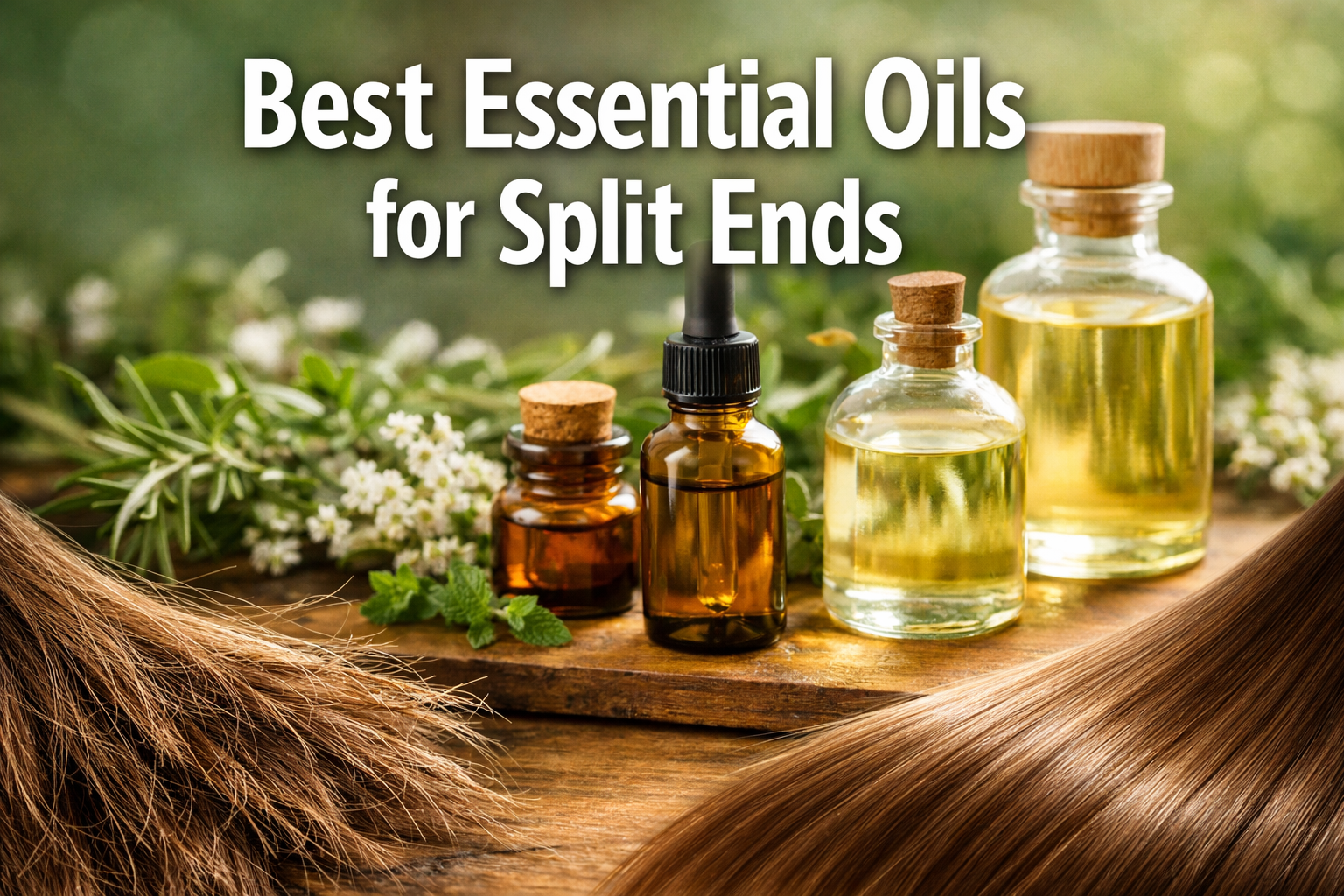
Picture this: you’re running your fingers through your hair and notice those dreaded frayed ends that make your locks look damaged and lifeless. Split ends are one of the most common hair concerns, affecting people with all hair types and textures. The good news? Nature has provided us with powerful solutions in the form of essential oils that can help repair, prevent, and protect against split ends. Discovering the best essential oils for split ends can transform your hair care routine and restore your hair’s natural beauty without harsh chemicals or expensive salon treatments.
Key Takeaways
• Essential oils like rosemary, lavender, and argan oil can effectively seal split ends and prevent future damage
• Proper dilution with carrier oils is crucial for safe application and maximum benefits
• Regular treatments 2-3 times per week show the best results for repairing damaged hair
• Natural oils work by penetrating the hair shaft to strengthen and moisturize from within
• Prevention is key – essential oils create a protective barrier against environmental damage
Understanding Split Ends and Their Causes
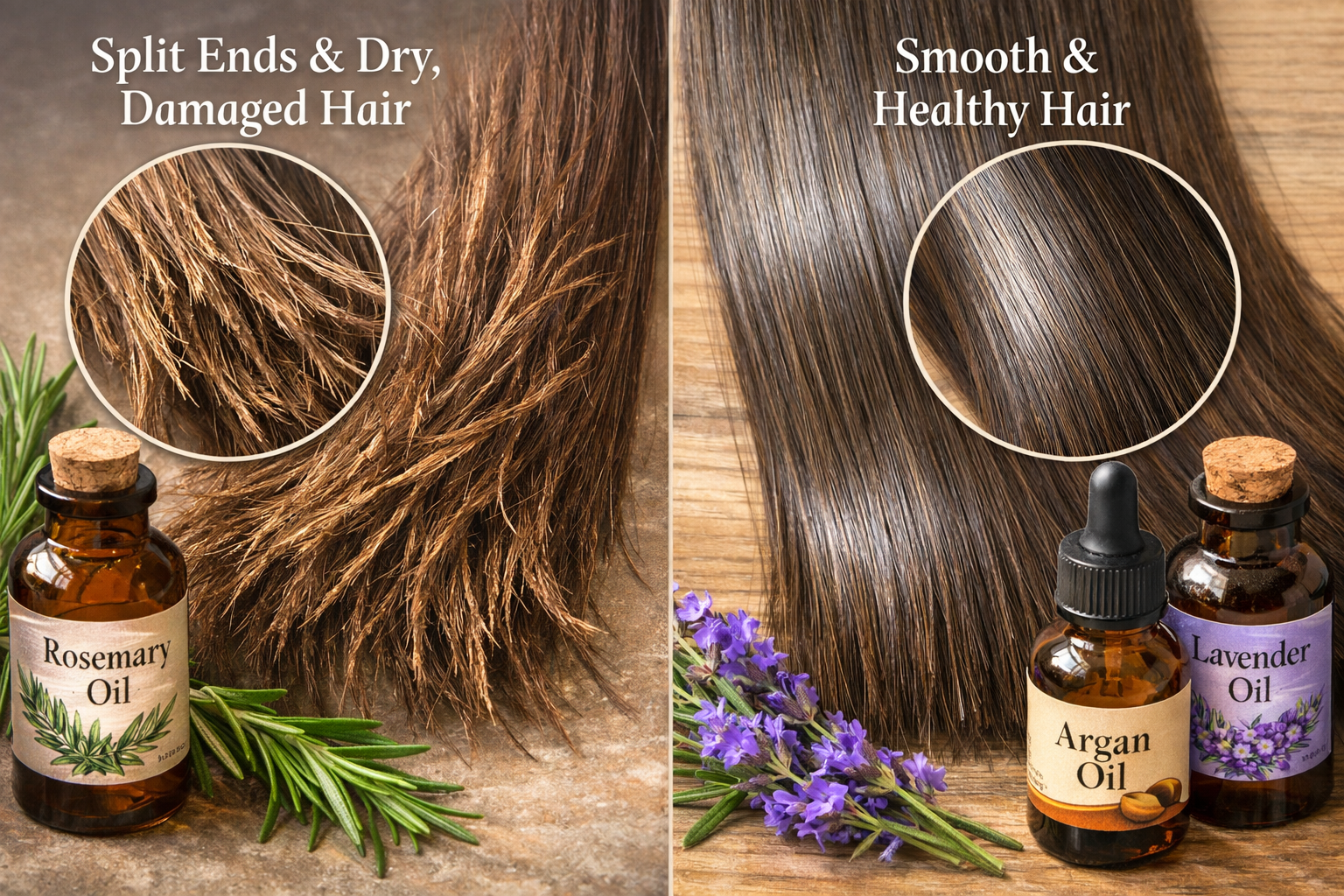
Split ends, scientifically known as trichoptilosis, occur when the protective outer layer of your hair (the cuticle) becomes damaged and begins to fray. This damage exposes the inner cortex of the hair shaft, leading to weakness and breakage.
Common Causes of Split Ends
- Heat styling tools (blow dryers, flat irons, curling irons)
- Chemical treatments (coloring, perming, relaxing)
- Environmental factors (sun exposure, wind, pollution)
- Mechanical damage (aggressive brushing, tight hairstyles)
- Poor nutrition and dehydration
- Over-washing with harsh shampoos
The key to healthy hair lies in understanding that once a hair strand splits, it cannot be “repaired” in the traditional sense. However, the best essential oils for split ends can help seal the cuticle temporarily and prevent further damage while promoting healthier new growth.
Top Essential Oils for Split End Treatment
🌿 Rosemary Essential Oil
Rosemary oil stands out as one of the most effective essential oils for hair health. Research shows it can improve circulation to the scalp and strengthen hair follicles.
Benefits:
- Stimulates blood flow to hair follicles
- Strengthens hair shaft
- Prevents premature breakage
- Adds natural shine
How to use: Mix 3-4 drops with 1 tablespoon of carrier oil and apply to ends before washing.
🌸 Lavender Essential Oil
Lavender oil offers both therapeutic and cosmetic benefits for damaged hair. Its gentle nature makes it suitable for all hair types, including sensitive scalps.
Benefits:
- Moisturizes dry, brittle hair
- Soothes scalp irritation
- Promotes relaxation during treatment
- Antimicrobial properties keep scalp healthy
🥥 Argan Oil
Often called “liquid gold,” argan oil is technically a carrier oil but deserves mention for its exceptional split end repair properties.
Benefits:
- Rich in vitamin E and fatty acids
- Penetrates hair shaft deeply
- Provides long-lasting moisture
- Creates protective barrier
🌱 Tea Tree Oil
Tea tree oil works best for those dealing with scalp issues alongside split ends. Its purifying properties create an optimal environment for healthy hair growth.
Benefits:
- Cleanses hair follicles
- Reduces scalp inflammation
- Prevents bacterial buildup
- Strengthens hair from roots
How the Best Essential Oils for Split Ends Work
Essential oils work through multiple mechanisms to address split end damage:
Molecular Penetration
The small molecular structure of essential oils allows them to penetrate the hair cuticle and reach the cortex where damage occurs. This deep penetration helps:
- Fill in microscopic gaps in damaged hair
- Strengthen protein bonds within the hair shaft
- Restore moisture balance to dehydrated strands
Cuticle Sealing
Many essential oils contain compounds that help smooth and seal the hair cuticle:
| Oil Type | Key Compounds | Sealing Action |
|---|---|---|
| Rosemary | Rosmarinic acid | Smooths cuticle layers |
| Lavender | Linalool | Reduces friction |
| Argan | Oleic acid | Creates protective film |
| Tea Tree | Terpenes | Strengthens cuticle |
Antioxidant Protection
Essential oils provide antioxidant protection against environmental damage that leads to split ends:
- UV protection from sun damage
- Free radical neutralization from pollution
- Moisture retention in dry climates
DIY Recipes Using the Best Essential Oils for Split Ends
💧 Intensive Repair Treatment
Ingredients:
- 2 tablespoons coconut oil (melted)
- 1 tablespoon jojoba oil
- 4 drops rosemary essential oil
- 3 drops lavender essential oil
Instructions:
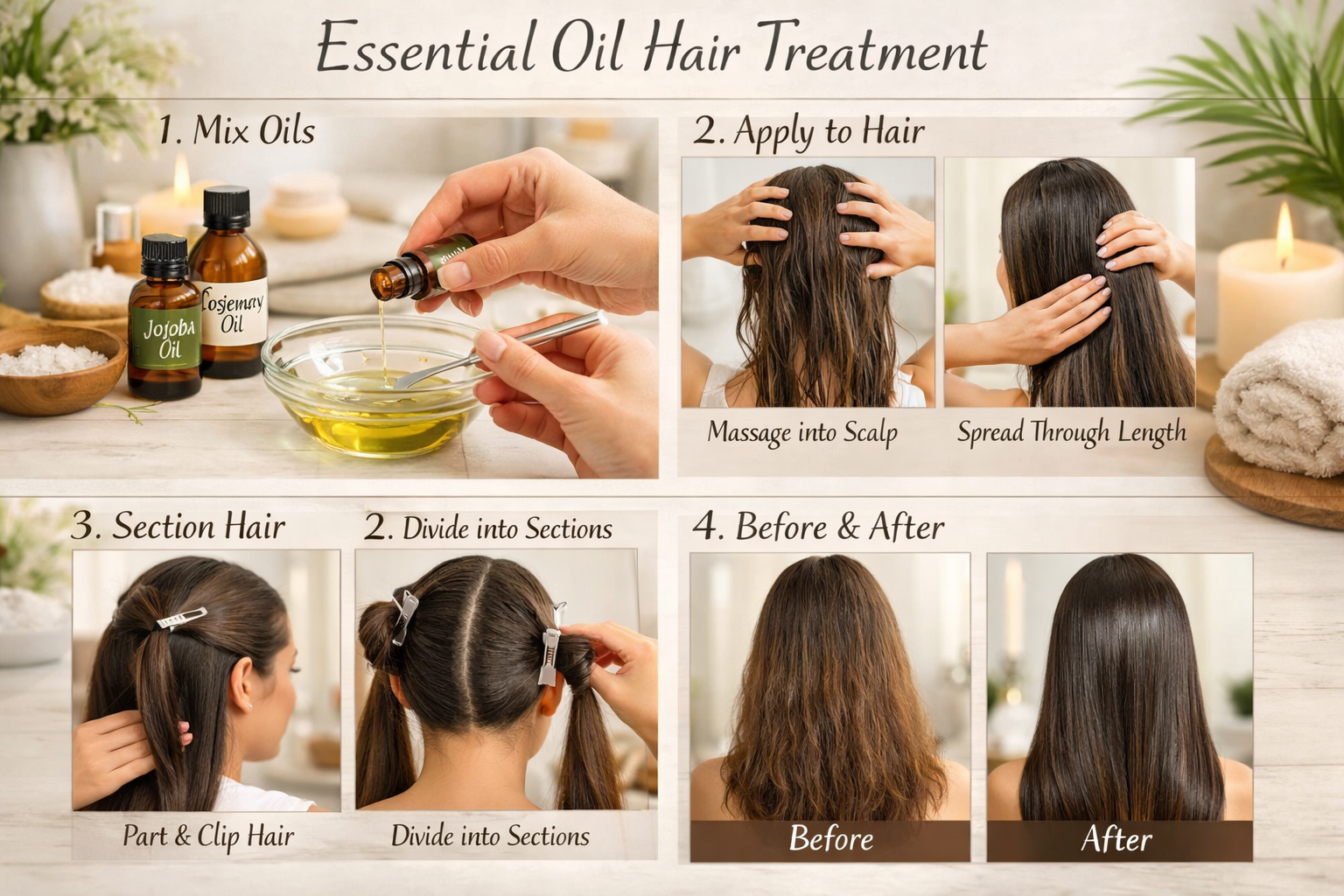
- Combine all ingredients in a small bowl
- Apply to damp hair, focusing on mid-lengths and ends
- Cover with shower cap and leave for 30 minutes
- Shampoo and condition as usual
🌟 Daily Split End Serum
Ingredients:
- 1 tablespoon argan oil
- 1 teaspoon sweet almond oil
- 2 drops tea tree oil
- 2 drops lavender oil
Instructions:
- Mix oils in a small dropper bottle
- Apply 2-3 drops to clean, damp hair ends
- Style as usual
- Use daily for best results
🌿 Weekly Deep Conditioning Mask
Ingredients:
- 1 ripe avocado
- 2 tablespoons olive oil
- 1 tablespoon honey
- 3 drops rosemary oil
Instructions:
- Mash avocado until smooth
- Blend in remaining ingredients
- Apply to hair and leave for 45 minutes
- Rinse thoroughly with cool water
Application Techniques and Safety Guidelines
Proper Application Methods
Sectioning Technique:
- Divide hair into 4-6 sections
- Apply oil mixture to each section separately
- Focus on the bottom 2-3 inches of hair
- Avoid applying to scalp unless specified
Massage Method:
- Gently work oils between palms
- Press and smooth along hair strands
- Avoid rubbing or tugging motions
- Use fingertips to distribute evenly
⚠️ Safety Considerations
Dilution Guidelines:
- Never apply essential oils directly to hair undiluted
- Use 1-2% dilution rate (3-6 drops per tablespoon of carrier oil)
- Start with lower concentrations and increase gradually
Patch Testing:
- Test new oil blends on small hair section first
- Wait 24 hours to check for adverse reactions
- Discontinue use if irritation occurs
Pregnancy and Sensitivity:
- Consult healthcare provider during pregnancy
- Avoid certain oils like rosemary during first trimester
- Choose gentler options like lavender for sensitive individuals
Complementary Natural Hair Care Practices
🧴 Gentle Cleansing Routine
Sulfate-Free Shampoos:
Using gentle, sulfate-free shampoos prevents further damage while allowing essential oils to work effectively.
Co-Washing:
Alternate between shampooing and conditioning-only washes to maintain moisture balance.
🌡️ Heat Protection Strategies
Air Drying:
- Squeeze excess water with microfiber towel
- Apply leave-in essential oil treatment
- Allow hair to air dry when possible
Heat Styling Alternatives:
- Use foam rollers for volume
- Try braiding for waves
- Embrace natural texture
💊 Nutritional Support
Hair-Healthy Nutrients:
- Biotin for strength
- Omega-3 fatty acids for moisture
- Vitamin E for protection
- Protein for structure
Creating Your Essential Oil Hair Care Routine
Weekly Schedule
Monday & Thursday: Intensive repair treatment
Daily: Light application of split end serum
Sunday: Deep conditioning mask
As needed: Protective styling with oils
Seasonal Adjustments
Summer Routine:
- Focus on UV protection
- Lighter oil formulations
- More frequent treatments due to sun exposure
Winter Routine:
- Heavier, more moisturizing blends
- Indoor heating protection
- Extra attention to static prevention
Progress Tracking
What to Monitor:
- Reduction in visible split ends
- Improved hair texture and shine
- Decreased breakage during styling
- Overall hair health and manageability
Timeline Expectations:
- Week 1-2: Initial smoothing and shine
- Week 3-4: Reduced breakage
- Month 2-3: Noticeable improvement in split ends
- Month 3+: Stronger, healthier new growth
Choosing Quality Essential Oils
🏷️ What to Look For
Purity Standards:
- 100% pure essential oils
- No synthetic additives
- Third-party testing certificates
- Proper botanical names on labels
Storage and Packaging:
- Dark glass bottles
- Proper sealing mechanisms
- Clear expiration dates
- Storage recommendations
Reputable Brands and Sources
Organic Certification:
Look for USDA organic or equivalent certifications to ensure quality and purity.
Sustainable Sourcing:
Choose brands committed to ethical harvesting and fair trade practices.
Troubleshooting Common Issues
Problem: Oils Making Hair Greasy
Solutions:
- Reduce amount used
- Apply only to ends, not roots
- Use lighter carrier oils (jojoba, argan)
- Apply to damp rather than dry hair
Problem: No Visible Improvement
Possible Causes:
- Inconsistent application
- Insufficient treatment time
- Need for professional trim first
- Underlying health issues
Adjustments:
- Increase treatment frequency
- Try different oil combinations
- Address lifestyle factors
- Consult hair care professional
Long-Term Hair Health Strategies
Prevention Focus
Protective Styling:
- Loose braids for sleeping
- Silk or satin pillowcases
- Regular trims every 6-8 weeks
- Gentle detangling techniques
Environmental Protection:
- UV protection sprays
- Humidity control products
- Wind protection styling
- Chlorine protection for swimmers
Lifestyle Factors
Stress Management:
Chronic stress can impact hair health, making split ends more likely.
Hydration:
Proper water intake supports hair health from within.
Sleep Quality:
Quality sleep promotes healthy hair growth and repair.
Conclusion
The journey to healthier hair doesn’t require expensive salon treatments or harsh chemical products. The best essential oils for split ends offer a natural, effective solution that works with your hair’s natural structure to repair damage and prevent future problems. By incorporating oils like rosemary, lavender, argan, and tea tree into your regular hair care routine, you’re giving your hair the nourishment it needs to thrive.
Remember that consistency is key when using essential oils for split end treatment. Start with simple recipes, pay attention to how your hair responds, and adjust your routine accordingly. With patience and the right approach, you can achieve the healthy, strong hair you’ve always wanted.
Take action today by choosing one or two essential oils that appeal to you and creating your first DIY treatment. Your hair will thank you for making the switch to these natural, powerful solutions that have been trusted for generations.