What to Look for in Organic Protein Bars
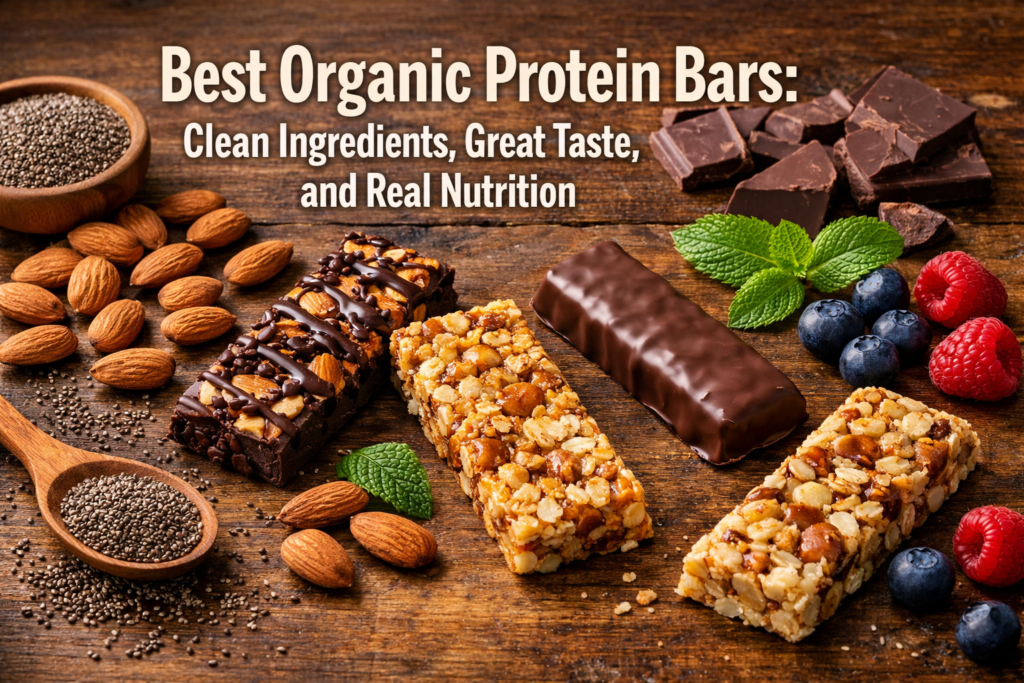
Picture this: You’re rushing between school pickup and soccer practice, your stomach is growling, and you reach into your bag for a quick snack. But instead of grabbing something loaded with chemicals you can’t pronounce, what if you could fuel your body with real, organic ingredients that actually taste amazing? That’s exactly what the best organic protein bars deliver—convenience without compromise. In 2026, health-conscious consumers are done settling for protein bars that taste like cardboard or read like a chemistry experiment. The revolution in clean eating has brought us protein bars that combine certified organic ingredients, satisfying flavors, and genuine nutritional benefits.
Key Takeaways
- Organic protein bars contain certified organic ingredients free from synthetic pesticides, GMOs, and artificial additives
- The healthiest protein bars feature clean protein sources like organic nuts, seeds, and plant-based proteins with minimal added sugars
- Reading ingredient labels is crucial—look for protein bars with clean ingredients where you recognize every item listed
- Low sugar protein bars can still taste delicious when sweetened with natural alternatives like dates or monk fruit
- The best protein bars for clean eating balance macronutrients while providing sustained energy without the crash
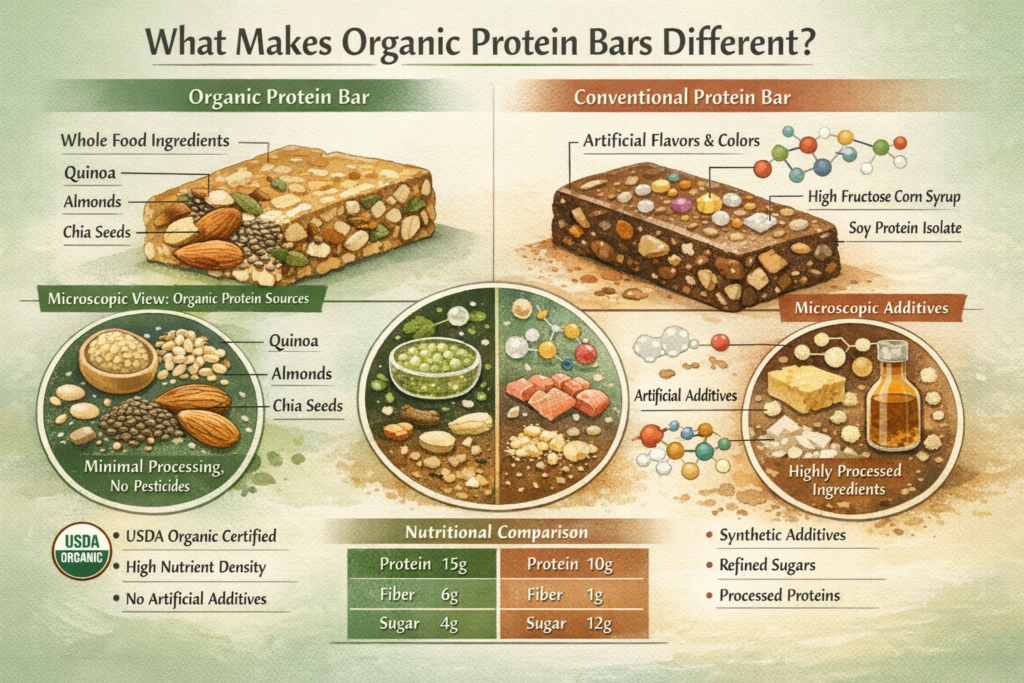
What Makes Organic Protein Bars Different?
Understanding Organic Certification
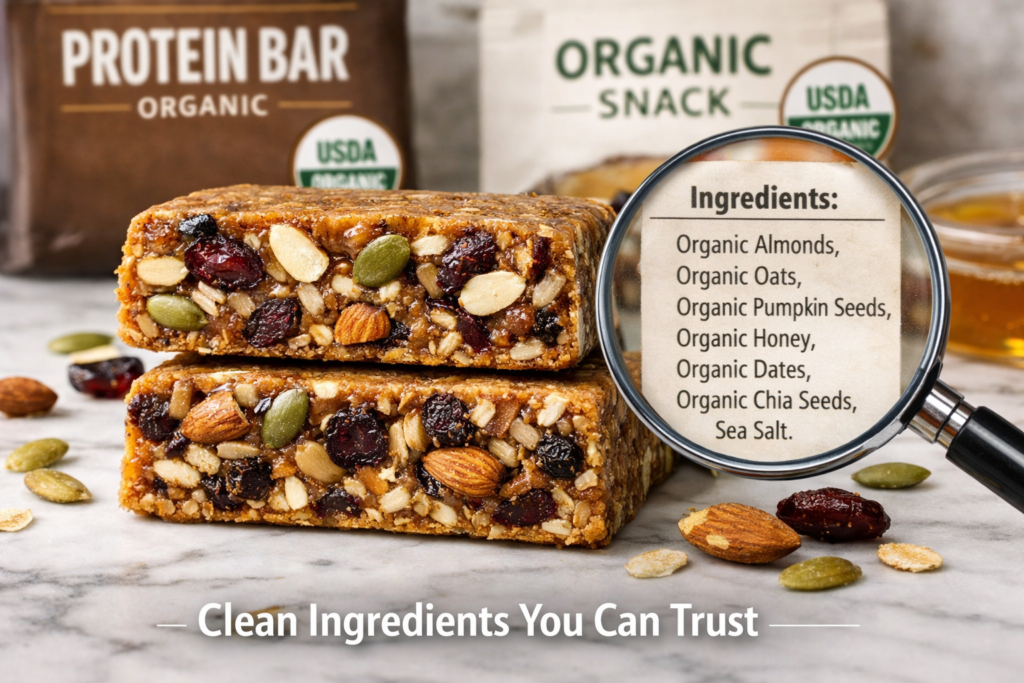
When a protein bar carries the USDA Organic seal, it means at least 95% of its ingredients meet strict organic standards [1]. This certification isn’t just a trendy label—it represents a commitment to farming practices that avoid synthetic pesticides, herbicides, and genetically modified organisms (GMOs).
Organic protein bars must also exclude:
- Artificial preservatives
- Synthetic colors and flavors
- High-fructose corn syrup
- Hydrogenated oils
- Artificial sweeteners like sucralose or aspartame
For health enthusiasts and moms concerned about what goes into their family’s bodies, this certification provides peace of mind. Studies show that organic foods contain higher levels of certain antioxidants and lower pesticide residues compared to conventionally grown alternatives [2].
The Clean Ingredient Advantage
Clean protein bars go beyond just organic certification. They embrace a whole-food philosophy where ingredients are minimally processed and easily recognizable. Instead of protein isolates created through chemical extraction, many organic options use whole food protein sources like:
✅ Organic almonds and cashews
✅ Organic pumpkin and sunflower seeds
✅ Organic brown rice protein
✅ Organic pea protein
✅ Organic hemp seeds
This approach delivers not just protein, but also fiber, healthy fats, vitamins, and minerals that work synergistically in your body.
Why Choose the Best Organic Protein Bars in 2026?
Health Benefits Beyond Basic Nutrition
The healthiest protein bars do more than fill nutritional gaps—they actively support your wellness goals. Here’s what sets them apart:
Sustained Energy: Unlike bars loaded with refined sugars that spike blood glucose, organic options use complex carbohydrates and natural sweeteners that provide steady energy throughout your day [3].
Digestive Health: Many organic snack bars with protein include prebiotic fiber from dates, chicory root, or whole grains that feed beneficial gut bacteria.
Reduced Inflammation: By avoiding artificial ingredients and choosing organic sources, you minimize exposure to compounds that may trigger inflammatory responses in sensitive individuals [4].
Better Nutrient Absorption: Whole food ingredients in their natural state often come with cofactors and enzymes that enhance nutrient bioavailability.
Environmental and Ethical Considerations
Choosing organic isn’t just about personal health—it’s an investment in sustainable agriculture. Organic farming practices:
- Promote soil health and biodiversity
- Reduce water contamination from synthetic chemicals
- Support pollinator populations
- Often involve better treatment of farm workers
For environmentally conscious consumers, every organic protein bar represents a small but meaningful choice toward a healthier planet.
Key Ingredients to Look for in Clean Protein Bars
Premium Protein Sources
Not all protein is created equal. The best organic protein bars feature high-quality protein from sources that align with clean eating principles:
| Protein Source | Benefits | Typical Protein Content |
|---|---|---|
| Organic Almonds | Heart-healthy fats, vitamin E, magnesium | 6g per ounce |
| Organic Pea Protein | Complete amino acid profile, easily digestible | 15-20g per serving |
| Organic Brown Rice Protein | Hypoallergenic, good for sensitive stomachs | 12-15g per serving |
| Organic Hemp Seeds | Omega-3 fatty acids, minerals, fiber | 10g per ounce |
| Organic Pumpkin Seeds | Zinc, iron, antioxidants | 7g per ounce |
Natural Sweeteners That Work
Sugar content remains one of the biggest concerns for health-conscious snackers. Low sugar protein bars achieve sweetness through natural alternatives:
🍯 Organic Dates: Provide natural sweetness plus fiber and potassium
🌿 Monk Fruit: Zero-calorie sweetener with no blood sugar impact
🍁 Organic Coconut Sugar: Lower glycemic index than regular sugar
🌾 Organic Brown Rice Syrup: Gentler on blood sugar than corn syrup
The ideal organic protein bar contains less than 8 grams of sugar per serving, with most coming from whole food sources rather than added sweeteners.
Binding and Texture Agents
Protein bars with clean ingredients achieve their chewy texture without artificial binders. Look for:
- Organic nut butters (almond, cashew, sunflower)
- Organic tapioca syrup
- Organic brown rice crisps
- Organic oats
- Organic coconut oil
These natural binders create satisfying texture while adding nutritional value.
How to Identify the Best Protein Bars for Clean Eating
The Five-Second Ingredient Test
Here’s a simple rule: If you can’t pronounce it or wouldn’t find it in your kitchen, it probably doesn’t belong in your protein bar.
When evaluating organic protein bars without artificial ingredients, scan the label and ask:
- Do I recognize every ingredient?
- Could I theoretically make this at home?
- Is the ingredient list shorter than 15 items?
- Are the first three ingredients whole foods?
If you answer “yes” to most of these questions, you’ve likely found a winner.
Nutritional Balance Checklist
The best organic protein bars strike a balance across macronutrients:
Protein: 10-20 grams per bar
Fiber: At least 3-5 grams
Sugar: Under 8 grams (ideally under 5g)
Healthy Fats: 5-12 grams from nuts, seeds, or coconut
Calories: 180-250 per bar for a satisfying snack
“The best protein bars function as mini-meals, not candy bars. They should keep you satisfied for 2-3 hours with balanced nutrition.” — Registered Dietitian Nutritionist
Red Flags to Avoid
Even products marketed as “natural” or “healthy” may contain questionable ingredients. Watch out for:
❌ Sugar alcohols (maltitol, sorbitol) that can cause digestive distress
❌ Soy protein isolate (often GMO unless certified organic)
❌ Natural flavors (vague term that can hide synthetic compounds)
❌ Vegetable oils (inflammatory omega-6 fats)
❌ Chicory root fiber in excessive amounts (can cause bloating)
Top Features of the Best Organic Protein Bars
Taste and Texture Matter
Let’s be honest—nutrition means nothing if the bar tastes terrible and sits uneaten in your pantry. The best organic protein bars in 2026 have cracked the code on delivering:
Rich, Satisfying Flavors: Think dark chocolate sea salt, almond butter brownie, peanut butter chocolate chip, and coconut cashew. These aren’t afterthoughts—they’re carefully crafted flavor profiles using real ingredients.
Pleasant Texture: Gone are the days of chalky, dry protein bars. Modern organic options achieve:
- Soft, chewy consistency
- Crunchy elements from nuts and seeds
- Smooth nut butter layers
- Crispy rice or quinoa for contrast
No Weird Aftertaste: Artificial sweeteners often leave a chemical aftertaste. Natural sweeteners in organic bars provide clean flavor that doesn’t linger unpleasantly.
Allergen Considerations
Many organic snack bars with protein cater to common dietary restrictions:
🌾 Gluten-Free Options: Using oats, quinoa, or grain-free bases
🥜 Nut-Free Varieties: Featuring seed butters and pea protein
🥛 Dairy-Free Formulations: Plant-based proteins and coconut
🌱 Vegan-Friendly: No animal products whatsoever
Always check labels carefully if you have allergies, as many bars are manufactured in facilities that process multiple allergens.
Convenience and Portability
The beauty of protein bars lies in their grab-and-go nature. The best options offer:
- Individual wrapping that protects freshness
- Stable at room temperature for gym bags and purses
- Non-melting formulas that hold up in warm conditions
- Compact size that fits anywhere
- Resealable packaging for larger bars you want to split
Making Smart Choices: Organic Protein Bars for Different Goals
For Busy Moms On-the-Go
Juggling kids, work, and household responsibilities means snacks need to be foolproof. Clean protein bars for busy moms should:
- Provide sustained energy without sugar crashes
- Contain whole food ingredients you’d feel good giving your kids
- Offer convenient nutrition when meals get delayed
- Pack easily for school pickups, sports practices, and errands
Pro tip: Keep a stash in your car, purse, and desk drawer so you’re never caught hungry and tempted by drive-through options.
For Pre and Post-Workout Fuel
Athletes and fitness enthusiasts have specific needs. The healthiest protein bars for exercise should:
Pre-Workout (1-2 hours before):
- Moderate protein (10-12g)
- Easily digestible carbs from dates or oats
- Lower fiber to avoid GI distress
- Around 200 calories
Post-Workout (within 30-60 minutes):
- Higher protein (15-20g) for muscle recovery
- Some quick-absorbing carbs to replenish glycogen
- Anti-inflammatory ingredients like tart cherry or turmeric
- 250-300 calories
For Blood Sugar Management
Those watching their glucose levels need low sugar protein bars with:
- Less than 5g total sugar per serving
- High fiber content (5g or more) to slow absorption
- Healthy fats that promote satiety and stable blood sugar
- Low glycemic sweeteners like monk fruit or stevia
- Protein-to-carb ratio of at least 1:2
Studies show that balanced snacks with protein, fat, and fiber help maintain steady blood sugar levels throughout the day [5].
Reading Labels Like a Pro
Understanding the Nutrition Facts Panel
Even with organic certification, not all bars are nutritionally equal. Here’s what to focus on:
Serving Size: Some bars contain 2 servings, doubling all the numbers. Check if you’re looking at per-bar or per-serving stats.
Total Carbohydrates: Look at the breakdown:
- Dietary fiber (higher is better)
- Total sugars (lower is better)
- Added sugars (should be minimal)
Protein Quality: The amount matters, but so does the source. Whole food proteins with complete amino acid profiles trump isolated proteins.
Fat Content: Don’t fear healthy fats from nuts and seeds. They’re essential for nutrient absorption and satiety.
Sodium: Should generally stay under 200mg per bar unless you’re using it for endurance athletics.
Decoding Marketing Claims
Food packaging is designed to sell, not always to inform accurately. Here’s what common claims really mean:
“Natural”: This term is largely unregulated and doesn’t guarantee organic or clean ingredients.
“No Artificial Ingredients”: Better than nothing, but doesn’t address pesticides, GMOs, or processing methods.
“Organic”: Must meet USDA standards—this is your most reliable indicator of clean ingredients.
“Plant-Based”: Doesn’t automatically mean healthy or organic. Plenty of processed junk food is plant-based.
“Keto” or “Paleo”: Marketing buzzwords that don’t necessarily align with clean, organic eating principles.
Common Questions About Organic Protein Bars
Are Organic Protein Bars Worth the Extra Cost?
The short answer: Yes, for most people.
While organic protein bars typically cost $2-4 per bar compared to $1-2 for conventional options, consider:
- Ingredient quality: You’re paying for organic certification, better protein sources, and real food ingredients
- Health investment: Reducing exposure to pesticides and artificial additives
- Satiety factor: Higher quality ingredients often keep you fuller longer, reducing overall snacking
- Convenience value: Compared to organic meal prep, they’re reasonably priced
Money-saving tip: Buy in bulk online or subscribe-and-save programs often reduce per-bar cost by 15-25%.
How Long Do Organic Protein Bars Stay Fresh?
Most organic protein bars without artificial ingredients have a shelf life of:
- 6-12 months when stored properly in cool, dry conditions
- Refrigeration can extend freshness, especially in hot climates
- Check expiration dates as natural ingredients may have shorter shelf life than conventional bars
- Watch for texture changes like excessive hardening or oil separation
Because they lack artificial preservatives, organic bars may not last as long as conventional options—but that’s actually a good sign that they contain real food.
Can Kids Eat Organic Protein Bars?
Absolutely! Organic snack bars with protein make excellent options for active kids because they:
- Provide sustained energy for school and sports
- Contain recognizable ingredients parents can trust
- Offer better nutrition than typical granola bars or cookies
- Help establish healthy snacking habits early
Age considerations:
- Young children (under 5): May need smaller portions or bars specifically formulated for kids
- School-age kids: Full bars work well, especially around sports and activities
- Teenagers: Often need the full protein and calories, especially if athletic
Always check for allergens and choking hazards with younger children.
Incorporating Organic Protein Bars Into Your Lifestyle
Beyond the Basic Snack
While clean protein bars excel as convenient snacks, creative uses include:
🍽️ Breakfast on Busy Mornings: Pair with fruit and coffee for a balanced start
🥗 Salad Toppers: Crumble over greens for added protein and crunch
🏃 Trail Mix Component: Break into pieces and mix with nuts and dried fruit
🍨 Healthy Dessert: Warm slightly and top with almond butter
✈️ Travel Essential: TSA-friendly protein source for flights
Building a Balanced Snacking Strategy
Even the best protein bars for clean eating shouldn’t be your only snack option. Aim for variety:
Daily Rotation:
- Monday: Organic protein bar + apple
- Tuesday: Hummus with veggie sticks
- Wednesday: Greek yogurt with berries
- Thursday: Organic protein bar + handful of almonds
- Friday: Hard-boiled eggs with cherry tomatoes
This approach ensures diverse nutrients while preventing flavor fatigue.
Listening to Your Body
Pay attention to how different organic protein bars make you feel:
- Energy levels: Do you feel sustained or crash after an hour?
- Hunger satisfaction: Are you satisfied or still searching for food?
- Digestive comfort: Any bloating, gas, or discomfort?
- Taste enjoyment: Do you actually look forward to eating it?
Your body’s feedback is the ultimate guide to finding your perfect match.
The Future of Organic Protein Bars
Emerging Trends in 2026
The organic protein bar market continues to innovate with:
Regenerative Agriculture: Beyond organic, some brands now source from farms that actively restore soil health and sequester carbon.
Novel Protein Sources: Cricket protein, spirulina, and other sustainable options are entering the organic space.
Functional Ingredients: Adaptogens like ashwagandha, probiotics for gut health, and nootropics for mental clarity.
Transparency Technology: QR codes linking to complete supply chain information and third-party testing results.
Personalization: Brands offering customizable bars based on individual nutritional needs and preferences.
Sustainability Initiatives
Leading organic protein bar companies are addressing environmental concerns through:
- Compostable wrappers replacing plastic packaging
- Carbon-neutral shipping and production
- Fair trade certification ensuring ethical ingredient sourcing
- Minimal processing reducing energy consumption
- Local sourcing when possible to reduce transportation impact
Conclusion: Your Path to Better Snacking
Finding the best organic protein bars doesn’t require a nutrition degree—just a commitment to reading labels, understanding your body’s needs, and refusing to compromise on ingredient quality. In 2026, you have more options than ever before for protein bars with clean ingredients that actually taste amazing and deliver real nutritional benefits.
Whether you’re a busy mom grabbing something nutritious between errands, a health enthusiast fueling your workout, or simply someone who values clean eating, organic protein bars offer convenient nutrition without the guilt or mystery ingredients.
Your Action Steps:
- Clean out your pantry: Remove protein bars with ingredient lists that read like chemistry experiments
- Try 3-5 different brands: Everyone’s taste preferences and nutritional needs differ—experiment to find your favorites
- Read every label: Don’t assume “organic” or “natural” means it meets your standards
- Listen to your body: Notice how different bars affect your energy, hunger, and digestion
- Keep them accessible: Stock your favorite organic snack bars with protein in convenient locations so healthy choices are always within reach
Remember, the goal isn’t perfection—it’s progress. Every time you choose a clean protein bar over a processed alternative, you’re investing in your health, supporting sustainable agriculture, and voting with your dollars for the kind of food system you want to see in the world.
The revolution in organic protein bars means you no longer have to choose between convenience and quality. You can have both—delicious taste, clean ingredients, and genuine nutrition, all wrapped up in a portable package that fits your busy lifestyle.
Start your journey toward better snacking today. Your body, your taste buds, and the planet will thank you.
References
[1] United States Department of Agriculture. (2024). Organic Regulations. USDA Agricultural Marketing Service.
[2] Barański, M., et al. (2014). Higher antioxidant and lower cadmium concentrations and lower incidence of pesticide residues in organically grown crops: a systematic literature review and meta-analyses. British Journal of Nutrition, 112(5), 794-811.
[3] Ludwig, D. S. (2002). The glycemic index: physiological mechanisms relating to obesity, diabetes, and cardiovascular disease. JAMA, 287(18), 2414-2423.
[4] Oates, L., Cohen, M., & Braun, L. (2014). Reduction in urinary organophosphate pesticide metabolites in adults after a week-long organic diet. Environmental Research, 132, 105-111.
[5] Jenkins, D. J., et al. (2008). Effect of a low-glycemic index or a high-cereal fiber diet on type 2 diabetes: a randomized trial. JAMA, 300(23), 2742-2753.