How Fiber Supports Digestion, Blood Sugar, and Weight Balance
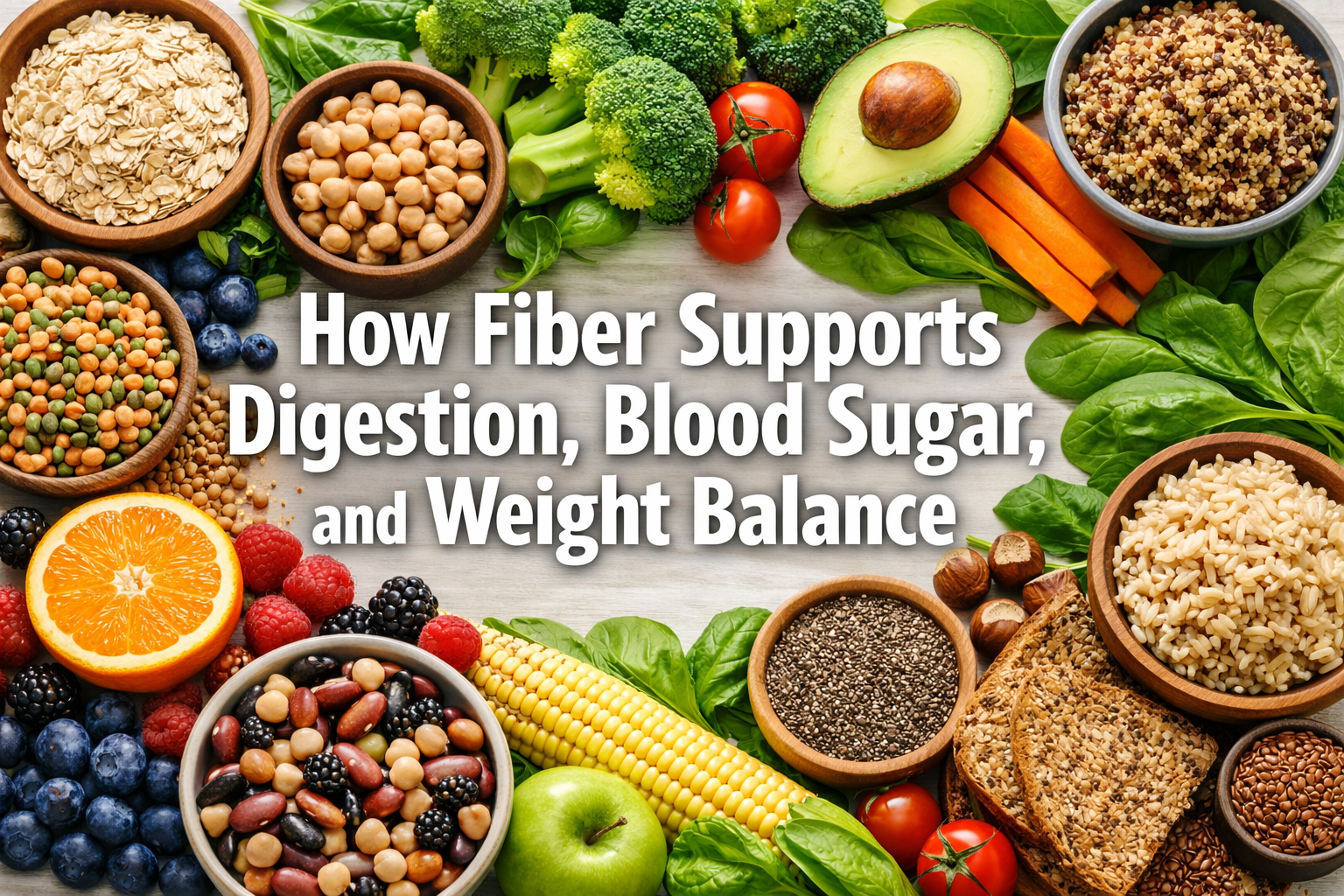
Picture this: there’s a single nutrient that can transform your gut health, stabilize your energy levels, and help maintain a healthy weight—all while being completely natural and found in delicious whole foods. That nutrient is fiber, and understanding how fiber supports digestion, blood sugar, and weight balance might just be the missing piece in your wellness puzzle.
Despite fiber being one of the most researched nutrients for health benefits, most people still fall short of their daily fiber needs. The average person consumes only about half of the recommended 25-35 grams per day, missing out on this powerhouse nutrient’s incredible ability to support multiple body systems simultaneously.
Key Takeaways
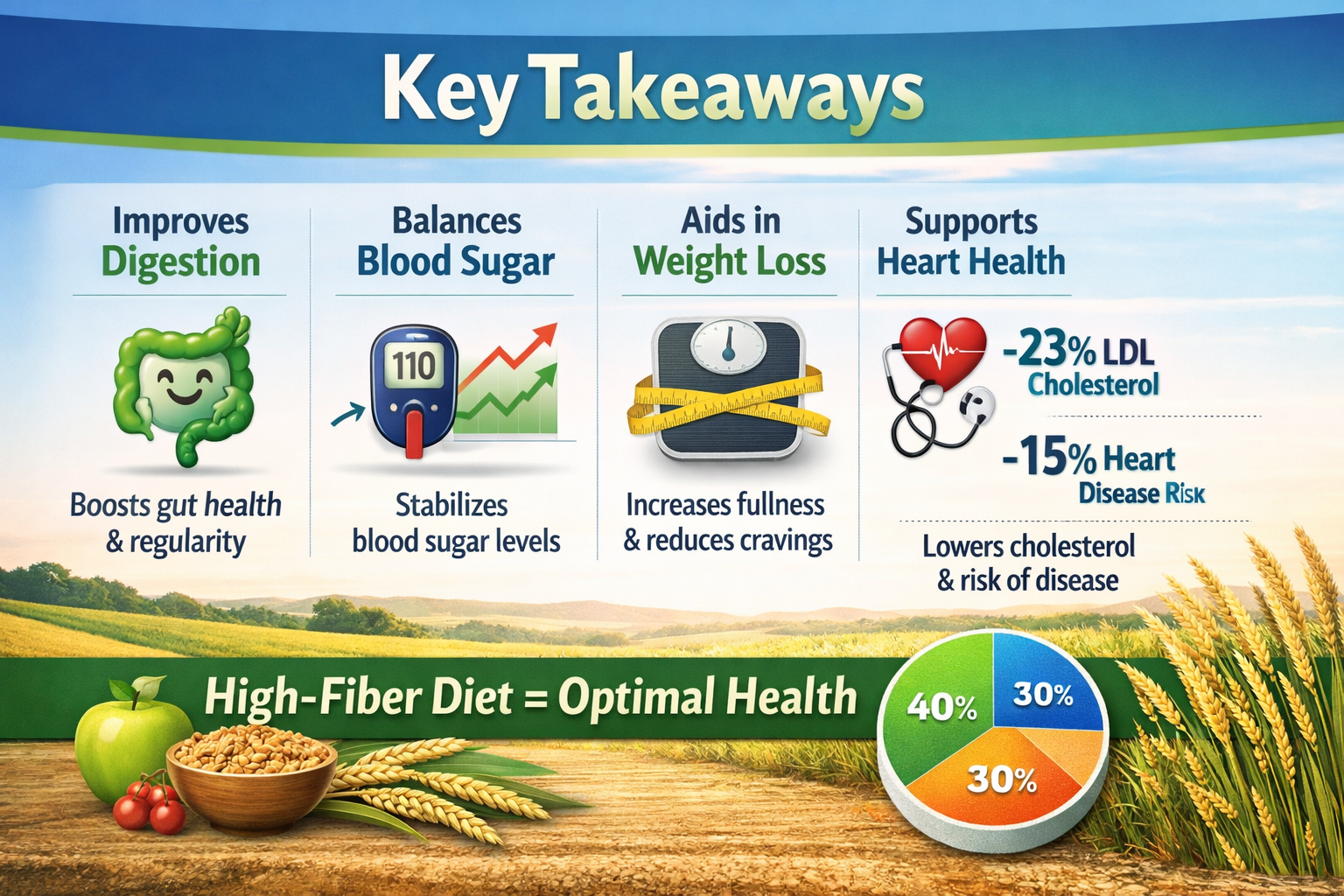
• Digestive Health: Fiber acts as both a prebiotic and digestive aid, feeding beneficial gut bacteria while promoting regular bowel movements and reducing inflammation
• Blood Sugar Control: Soluble fiber slows glucose absorption, preventing dangerous spikes and crashes that lead to energy dips and cravings
• Weight Management: High-fiber foods increase satiety, reduce calorie absorption, and support a healthy metabolism through improved gut health
• Dual Action: Both soluble and insoluble fiber work together to create optimal digestive function and metabolic health
• Simple Implementation: Adding 5-10 grams of fiber daily through whole foods can produce noticeable improvements in energy, digestion, and weight management
The Science Behind How Fiber Supports Digestion, Blood Sugar, and Weight Balance
Understanding Fiber’s Dual Nature
Fiber comes in two main forms, each playing a unique role in supporting your health goals:
Soluble Fiber dissolves in water to form a gel-like substance that:
- Slows digestion and nutrient absorption
- Binds to cholesterol and glucose
- Feeds beneficial gut bacteria
- Creates feelings of fullness
Insoluble Fiber doesn’t dissolve in water but:
- Adds bulk to stool
- Speeds up waste elimination
- Prevents constipation
- Supports colon health
“Fiber is like having a personal health assistant working 24/7 in your digestive system, managing everything from blood sugar to weight control.” – Dr. Sarah Johnson, Gastroenterologist
The Gut-Health Connection
Your digestive system houses trillions of bacteria that directly influence your metabolism, immune function, and even mood. How fiber supports digestion, blood sugar, and weight balance starts with this incredible ecosystem called the gut microbiome.
When you consume fiber-rich foods, you’re essentially feeding the “good” bacteria in your gut. These beneficial microbes ferment fiber into short-chain fatty acids (SCFAs), which:
- Reduce inflammation throughout the body
- Strengthen the intestinal barrier preventing leaky gut
- Produce hormones that regulate appetite and metabolism
- Improve insulin sensitivity for better blood sugar control
How Fiber Revolutionizes Your Digestive Health 🦠
Promoting Optimal Gut Function
Digestive health forms the foundation of overall wellness, and fiber plays multiple roles in keeping your gut functioning smoothly:
Prebiotic Power
Fiber acts as a prebiotic, feeding beneficial bacteria like:
- Bifidobacterium: Supports immune function and reduces inflammation
- Lactobacillus: Aids in nutrient absorption and pathogen resistance
- Akkermansia: Strengthens gut barrier and improves metabolism
Regularity and Comfort
Insoluble fiber adds bulk to stool while soluble fiber softens it, creating the perfect combination for:
- ✅ Regular, comfortable bowel movements
- ✅ Reduced bloating and gas
- ✅ Prevention of hemorrhoids and diverticulitis
- ✅ Faster transit time through the digestive tract
Healing and Protection
The way fiber supports digestion, blood sugar, and weight balance extends beyond basic function to actual healing:
| Fiber Type | Digestive Benefit | Best Food Sources |
|---|---|---|
| Pectin | Soothes intestinal lining | Apples, citrus fruits, carrots |
| Beta-glucan | Reduces inflammation | Oats, barley, mushrooms |
| Resistant starch | Feeds beneficial bacteria | Green bananas, cooked/cooled potatoes |
| Cellulose | Promotes regularity | Vegetables, whole grains |
The Inflammation Connection
Chronic inflammation in the digestive tract can lead to various health issues, from irritable bowel syndrome to increased disease risk. Fiber combats inflammation by:
- Producing anti-inflammatory compounds through bacterial fermentation
- Binding to toxins and removing them from the body
- Strengthening the gut barrier to prevent inflammatory triggers from entering circulation
- Balancing immune responses in the digestive tract
Blood Sugar Mastery: How Fiber Supports Digestion, Blood Sugar, and Weight Balance Through Glucose Control 📊
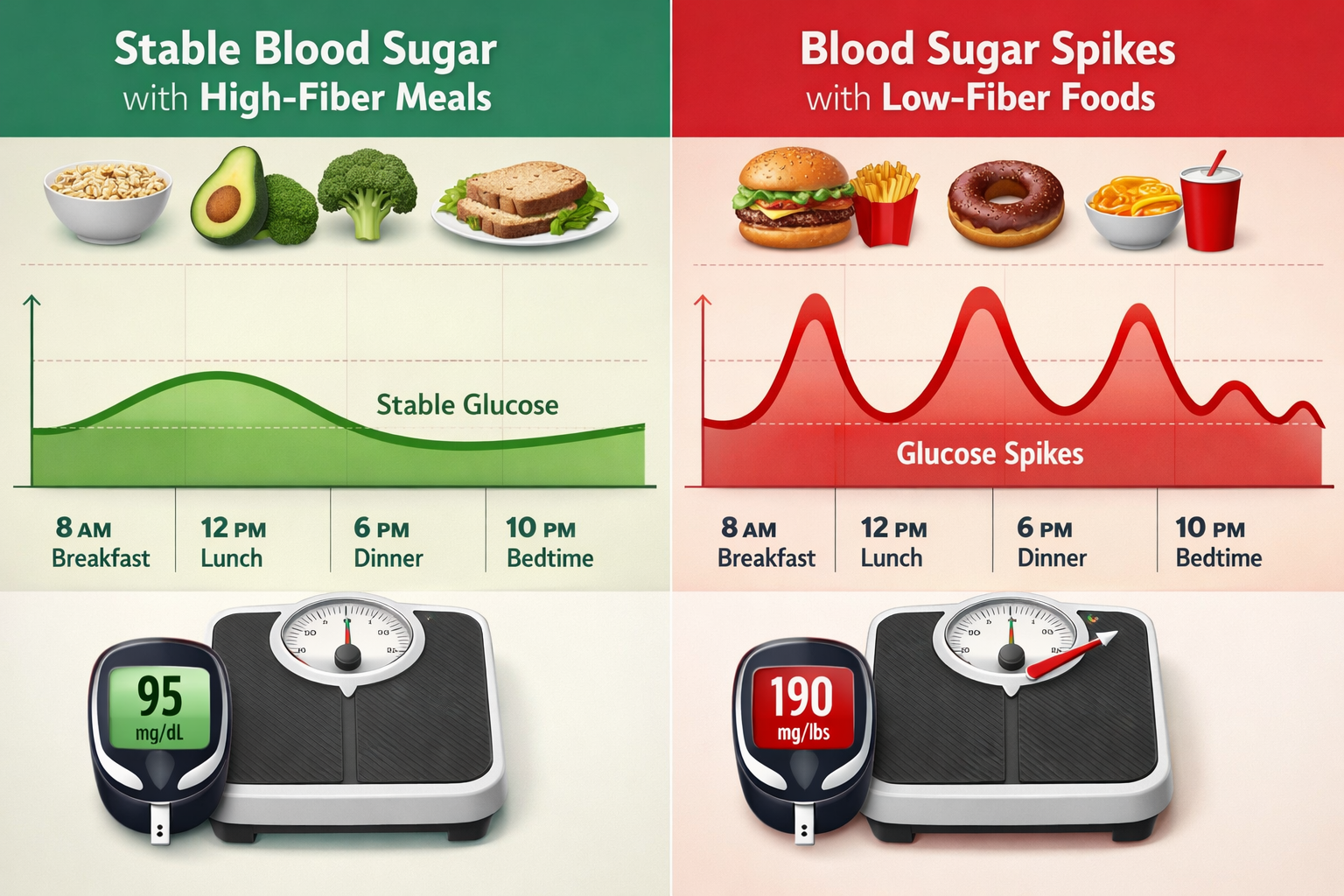
The Glucose Roller Coaster Problem
Without adequate fiber, blood sugar levels can spike dramatically after meals, leading to:
- Energy crashes and fatigue
- Increased hunger and cravings
- Fat storage around the midsection
- Long-term insulin resistance risk
Fiber’s Blood Sugar Stabilizing Mechanisms
Slowed Absorption
Soluble fiber forms a gel in your stomach that:
- Delays gastric emptying, releasing food more slowly into the small intestine
- Creates a physical barrier around carbohydrates, slowing their breakdown
- Reduces the glycemic index of meals, preventing rapid glucose spikes
Improved Insulin Sensitivity
Regular fiber consumption enhances your body’s ability to use insulin effectively by:
- Reducing inflammatory markers that interfere with insulin signaling
- Supporting healthy gut bacteria that produce insulin-sensitizing compounds
- Maintaining stable blood sugar levels that don’t overtax the pancreas
Real-World Blood Sugar Benefits
Studies show that adding just 10 grams of fiber to a meal can:
- Reduce post-meal blood sugar spikes by 25-30%
- Lower HbA1c levels (long-term blood sugar marker) by 0.5-1.0%
- Decrease insulin requirements in people with diabetes
- Improve glucose tolerance over time
Fiber-Rich Meal Planning for Blood Sugar Control
Breakfast Options:
- Steel-cut oats with berries and chia seeds (12g fiber)
- Avocado toast on sprouted grain bread (11g fiber)
- Green smoothie with spinach, apple, and flax seeds (9g fiber)
Lunch/Dinner Ideas:
- Quinoa bowl with black beans and vegetables (15g fiber)
- Lentil soup with whole grain roll (18g fiber)
- Salmon with roasted Brussels sprouts and sweet potato (13g fiber)
Weight Balance: The Natural Approach to Healthy Weight Management ⚖️
Why Traditional Dieting Fails
Most weight loss approaches focus on restriction rather than nourishment. Understanding how fiber supports digestion, blood sugar, and weight balance offers a sustainable alternative that works with your body’s natural systems.
Fiber’s Multi-Pronged Weight Management Strategy
Enhanced Satiety
High-fiber foods promote weight balance through several satiety mechanisms:
- Physical fullness: Fiber adds volume without calories
- Hormonal signals: Triggers release of appetite-suppressing hormones like GLP-1 and CCK
- Slower eating: High-fiber foods require more chewing, allowing satiety signals to register
- Prolonged satisfaction: Keeps you full between meals, reducing snacking
Reduced Calorie Absorption
Fiber actually prevents some calories from being absorbed by:
- Binding to dietary fats and carrying them out of the body
- Speeding transit time through the digestive tract
- Creating a gel matrix that traps some nutrients before absorption
- Feeding gut bacteria instead of adding to your calorie count
The Metabolic Boost
The relationship between fiber supports digestion, blood sugar, and weight balance includes significant metabolic benefits:
Thermic Effect
Digesting fiber burns more calories than processing refined foods:
- 10-15% of fiber calories are used just for digestion
- Increased metabolic rate for 2-3 hours after high-fiber meals
- Enhanced fat oxidation due to stable blood sugar levels
Gut Bacteria and Weight
Your gut microbiome directly influences weight regulation:
- Lean bacteria strains thrive on fiber and produce weight-supporting compounds
- Improved gut barrier function reduces inflammation that can slow metabolism
- Better nutrient absorption ensures your body gets what it needs without overeating
Practical Weight Balance Strategies
The Fiber-First Approach
Start each meal with high-fiber foods to:
- Activate satiety hormones before consuming calorie-dense foods
- Slow down eating pace naturally
- Reduce overall calorie intake without feeling deprived
- Stabilize blood sugar to prevent fat storage signals
Smart Swaps for Weight Balance
| Instead Of | Choose | Fiber Benefit |
|---|---|---|
| White rice | Quinoa or brown rice | 3x more fiber, better satiety |
| Regular pasta | Lentil or chickpea pasta | 2-3x more fiber, added protein |
| Fruit juice | Whole fruits | Fiber intact, slower sugar absorption |
| Refined cereals | Steel-cut oats or bran | Sustained energy, reduced cravings |
Building Your Fiber-Rich Lifestyle 🥗
The 30-Plant Challenge
Diversity matters when it comes to fiber. Different plants provide different types of fiber and feed various beneficial bacteria. Aim to eat 30 different plant foods each week, including:
Vegetables (10-15 varieties):
- Leafy greens: spinach, kale, arugula
- Cruciferous: broccoli, cauliflower, Brussels sprouts
- Root vegetables: carrots, beets, sweet potatoes
- Alliums: onions, garlic, leeks
Fruits (5-8 varieties):
- Berries: blueberries, raspberries, blackberries
- Citrus: oranges, grapefruits, lemons
- Tree fruits: apples, pears, stone fruits
- Tropical: mangoes, papayas, kiwis
Legumes (3-5 varieties):
- Beans: black, kidney, navy, pinto
- Lentils: red, green, black
- Chickpeas and split peas
Whole Grains (3-5 varieties):
- Ancient grains: quinoa, amaranth, teff
- Traditional: oats, brown rice, barley
- Alternative: buckwheat, millet
Nuts and Seeds (5-7 varieties):
- Tree nuts: almonds, walnuts, pecans
- Seeds: chia, flax, pumpkin, sunflower
Gradual Implementation Strategy
Week 1-2: Foundation Building
- Add 5 grams of fiber daily
- Focus on breakfast: switch to high-fiber cereal or oatmeal
- Include one extra serving of vegetables at lunch or dinner
Week 3-4: Expansion Phase
- Increase to 10 grams additional fiber daily
- Replace refined grains with whole grain alternatives
- Add beans or lentils to soups, salads, or main dishes
Week 5-6: Optimization
- Reach 15-20 grams additional fiber daily
- Experiment with new high-fiber foods
- Focus on variety and enjoyment
Hydration and Fiber Success
As you increase fiber intake, proper hydration becomes crucial:
- Drink 8-10 glasses of water daily
- Start slowly to allow your digestive system to adapt
- Listen to your body and adjust portions as needed
- Include herbal teas and water-rich foods like cucumbers and melons
Troubleshooting Common Fiber Challenges 🔧
Managing Initial Digestive Adjustments
Some people experience temporary digestive changes when increasing fiber intake. Here’s how to minimize discomfort:
Gas and Bloating Solutions
- Increase fiber gradually over 2-3 weeks
- Chew thoroughly to aid digestion
- Try digestive enzymes if needed initially
- Focus on soluble fiber first (oats, apples, beans)
- Cook vegetables rather than eating them raw initially
Timing and Preparation Tips
- Soak beans and grains overnight to improve digestibility
- Start with smaller portions of high-fiber foods
- Spread fiber intake throughout the day rather than consuming large amounts at once
- Combine fiber with healthy fats to slow digestion
Maximizing Absorption and Benefits
To ensure you’re getting the most from understanding how fiber supports digestion, blood sugar, and weight balance:
Food Combining Strategies
- Pair fiber with protein for enhanced satiety
- Include healthy fats to support nutrient absorption
- Add probiotic foods like yogurt or kefir to support gut bacteria
- Combine different fiber types in each meal for maximum benefit
Supplement Considerations
While whole foods are ideal, quality fiber supplements can help when:
- Traveling or eating out frequently
- Transitioning to a higher-fiber diet
- Dealing with specific digestive issues
- Unable to meet fiber goals through food alone
Best Supplement Options:
- Psyllium husk: Excellent for both soluble and insoluble fiber
- Methylcellulose: Gentle option for sensitive stomachs
- Acacia fiber: Well-tolerated prebiotic fiber
- Ground flaxseed: Provides fiber plus omega-3 fatty acids
Advanced Strategies for Fiber Success 🎯
Meal Timing and Fiber Distribution
The timing of fiber intake can enhance its benefits for blood sugar and weight management:
Pre-Meal Fiber Strategy
Consuming 5-10 grams of fiber 15-30 minutes before meals can:
- Reduce total calorie intake by 10-15%
- Blunt blood sugar spikes from the main meal
- Increase satiety hormones before eating
- Slow gastric emptying for prolonged fullness
Post-Workout Fiber Timing
After exercise, combining fiber with protein helps:
- Stabilize blood sugar during recovery
- Support muscle protein synthesis with sustained amino acid release
- Replenish glycogen stores more efficiently
- Reduce post-exercise inflammation through gut health support
Seasonal Fiber Strategies
Adapting your fiber intake to seasonal availability ensures variety and optimal nutrition:
Spring Focus: Detox and Renewal
- Asparagus: High in inulin, supports liver detox
- Artichokes: Excellent source of prebiotic fiber
- Spring greens: Support natural cleansing processes
Summer Emphasis: Hydration and Energy
- Berries: Antioxidant-rich fiber for sustained energy
- Stone fruits: Natural sugars balanced with fiber
- Raw vegetables: Maximum enzyme content and fiber
Fall Preparation: Immune Support
- Apples: Pectin supports immune function
- Squashes: Beta-carotene plus fiber for winter prep
- Root vegetables: Grounding, warming fiber sources
Winter Maintenance: Comfort and Warmth
- Cooked grains: Warming, satisfying fiber sources
- Legume stews: Protein plus fiber for cold weather
- Stored vegetables: Cabbage, potatoes, onions for sustained nutrition
The Long-Term Vision: Sustainable Fiber Success 🌟
Creating Lasting Habits
Understanding how fiber supports digestion, blood sugar, and weight balance is just the beginning. Creating sustainable habits ensures long-term success:
The 80/20 Approach
- 80% whole, fiber-rich foods as your foundation
- 20% flexibility for social situations and treats
- Focus on progress, not perfection
- Celebrate small wins along the way
Building Support Systems
- Meal prep high-fiber options for busy days
- Find fiber-friendly restaurants in your area
- Connect with like-minded individuals who prioritize health
- Keep learning about new fiber-rich foods and recipes
Monitoring Your Progress
Track improvements in multiple areas to see fiber’s comprehensive benefits:
Digestive Health Markers
- Regular, comfortable bowel movements (1-2 per day)
- Reduced bloating and gas after meals
- Improved energy levels throughout the day
- Better sleep quality due to stable blood sugar
Metabolic Improvements
- Stable energy levels without afternoon crashes
- Reduced cravings for sugary or processed foods
- Easier weight management without restrictive dieting
- Better exercise performance due to sustained energy
Overall Wellness Indicators
- Improved mood and mental clarity
- Enhanced immune function with fewer illnesses
- Better skin health due to improved gut function
- Increased longevity markers through reduced inflammation
Conclusion
The journey to optimal health doesn’t require complicated protocols or expensive supplements—it starts with understanding how fiber supports digestion, blood sugar, and weight balance through simple, delicious whole foods. This remarkable nutrient works as a comprehensive health optimizer, addressing multiple body systems simultaneously while providing sustainable, long-term benefits.
By gradually increasing your fiber intake to 25-35 grams daily through diverse plant foods, you’ll experience improved digestive comfort, stable energy levels, and natural weight balance. The key lies in consistency, variety, and patience as your body adapts to this powerful nutritional approach.
Your Next Steps:
- Assess your current fiber intake using a food tracking app for 3-5 days
- Choose 3-5 new high-fiber foods to try this week
- Increase your daily fiber by 5 grams for the next two weeks
- Focus on hydration as you build your fiber intake
- Monitor your energy, digestion, and overall well-being as you progress
Remember, the most sustainable health changes happen gradually. Start where you are, use what you have, and do what you can. Your digestive system, blood sugar levels, and overall health will thank you for making fiber a priority in your daily nutrition plan.
The path to better health is literally growing in gardens, orchards, and fields around the world. By embracing fiber-rich foods, you’re not just improving your own health—you’re connecting with one of nature’s most powerful tools for human wellness and vitality.