Natural Ways to Support Gut Health Without Supplements

Your digestive system is home to trillions of microorganisms that work around the clock to keep you healthy, yet many people reach for expensive supplements without exploring the powerful natural ways to support gut health without supplements that have been used for centuries. The truth is, your kitchen and daily habits hold more gut-healing potential than any pill bottle ever could.
Key Takeaways
• Fermented foods like sauerkraut, kimchi, and kefir naturally introduce beneficial bacteria to your digestive system
• Fiber-rich whole foods feed good gut bacteria and promote healthy digestion without any synthetic additives
• Lifestyle factors including sleep quality, stress management, and regular movement significantly impact gut health
• Mindful eating practices can improve digestion and nutrient absorption more effectively than many supplements
• Simple dietary changes like reducing processed foods and increasing plant variety create lasting gut health improvements
Understanding Your Gut Microbiome
The human gut contains over 100 trillion microorganisms, creating an ecosystem more complex than a rainforest. This gut microbiome influences everything from immune function to mood regulation. When this delicate balance gets disrupted by poor diet, stress, or antibiotics, digestive issues often follow.
Research shows that a diverse microbiome correlates with better overall health. The good news? You can nurture this diversity through food choices and lifestyle habits rather than relying solely on probiotic pills.
“The gut microbiome is like a garden – it thrives with diverse, whole foods and consistent care, not quick fixes.” – Dr. Sarah Johnson, Gastroenterologist
Natural Ways to Support Gut Health Without Supplements: Food-Based Approaches
Fermented Foods: Nature’s Probiotics 🥬
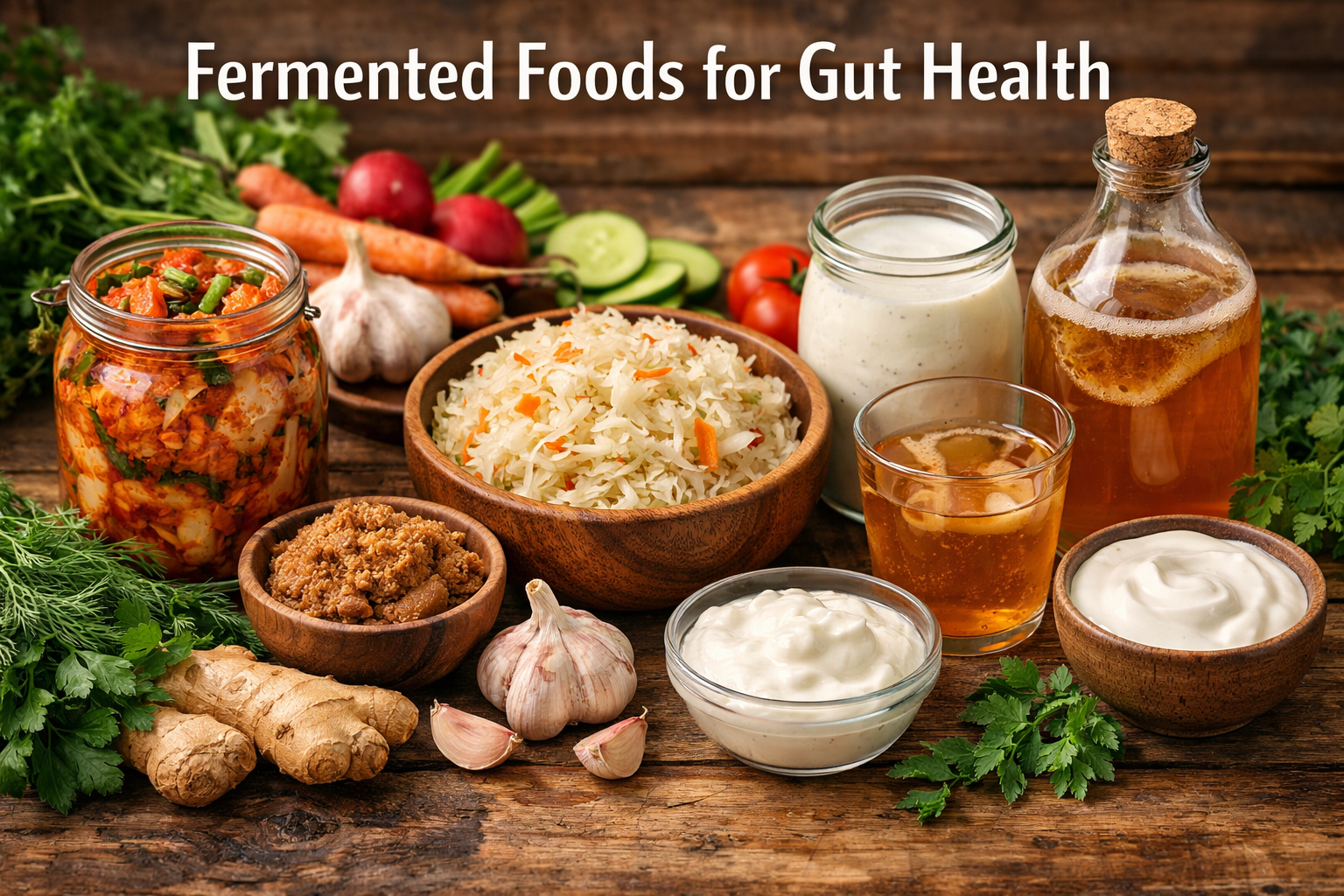
Fermented foods represent one of the most effective natural ways to support gut health without supplements. These foods undergo a process where beneficial bacteria break down sugars and starches, creating probiotics naturally.
Top Fermented Foods for Gut Health:
| Food | Benefits | How to Include |
|---|---|---|
| Sauerkraut | High in lactobacilli, vitamin C | Add to salads, sandwiches |
| Kimchi | Diverse bacterial strains, anti-inflammatory | Side dish, stir-fries |
| Kefir | Multiple probiotic strains | Smoothies, breakfast bowls |
| Miso | Supports digestive enzymes | Soups, marinades |
| Tempeh | Protein + probiotics | Meat substitute in meals |
Start with small portions (1-2 tablespoons) and gradually increase. Some people experience temporary bloating as their gut adjusts to new bacterial strains.
Prebiotic-Rich Foods: Feeding the Good Guys
While probiotics add beneficial bacteria, prebiotics feed the good bacteria already in your gut. These special fibers resist digestion in the small intestine and reach the colon intact.
Powerful Prebiotic Foods:
- Garlic and onions – contain inulin and fructooligosaccharides
- Asparagus – rich in inulin fiber
- Bananas (slightly green) – high in resistant starch
- Oats – contain beta-glucan fiber
- Apples – pectin supports beneficial bacteria
Diverse Plant Foods: The 30-Plant Challenge
Gut bacteria thrive on variety. Research suggests eating 30 different plant foods per week significantly improves microbiome diversity. This includes:
- Fruits and vegetables
- Nuts and seeds
- Herbs and spices
- Whole grains
- Legumes
Pro Tip: Keep a weekly plant food checklist. Herbs and spices count – adding basil, oregano, turmeric, and ginger to meals quickly increases your plant variety.
Lifestyle-Based Natural Ways to Support Gut Health Without Supplements
Sleep Quality and Gut Health Connection 😴
Poor sleep disrupts gut bacteria balance and increases inflammation. The gut-brain axis means digestive health directly impacts sleep quality, creating a cycle that affects overall wellness.
Sleep Optimization for Gut Health:
- Maintain consistent sleep/wake times
- Create a dark, cool sleeping environment
- Avoid large meals 3 hours before bed
- Limit screen time before sleep
- Consider herbal teas like chamomile
Stress Management Techniques
Chronic stress triggers the release of cortisol, which can damage the gut lining and reduce beneficial bacteria. Stress reduction becomes essential for digestive health.
Effective Stress Management Methods:
- Deep breathing exercises – activate the parasympathetic nervous system
- Regular meditation – even 10 minutes daily helps
- Nature walks – combine movement with stress relief
- Journaling – process emotions and reduce mental stress
- Social connections – strong relationships support gut health
Movement and Exercise Benefits
Regular physical activity promotes gut motility and increases beneficial bacteria diversity. You don’t need intense workouts – gentle, consistent movement works best for digestive health.
Gut-Friendly Exercise Options:
- Daily walks after meals
- Yoga poses that massage internal organs
- Swimming for low-impact cardio
- Stretching to reduce tension
- Dancing for joy and movement
Eating Habits That Support Digestive Wellness
Mindful Eating Practices
How you eat matters as much as what you eat. Mindful eating improves digestion and nutrient absorption while reducing digestive stress.
Mindful Eating Techniques:
- Chew thoroughly – aim for 20-30 chews per bite
- Eat slowly – allow 20-30 minutes for meals
- Remove distractions – no phones or TV during meals
- Listen to hunger cues – eat when hungry, stop when satisfied
- Practice gratitude – appreciate your food and its journey
Hydration and Digestive Health 💧
Proper hydration supports every aspect of digestion, from saliva production to waste elimination. Water helps maintain the mucosal lining that protects the gut.
Hydration Guidelines:
- Drink water between meals rather than during
- Start the day with a glass of warm water
- Include herbal teas in daily fluid intake
- Monitor urine color for hydration status
- Increase water intake with fiber-rich foods
Meal Timing and Frequency
Intermittent fasting and consistent meal timing support gut health by allowing digestive rest periods and promoting beneficial bacteria growth.
Optimal Meal Timing Strategies:
- Eat within a 12-hour window when possible
- Allow 3-4 hours between meals
- Make breakfast substantial and dinner lighter
- Stop eating 3 hours before bedtime
- Listen to natural hunger rhythms
Foods to Limit for Better Gut Health

Processed Food Reduction
Ultra-processed foods often contain additives that disrupt gut bacteria balance. These foods typically have long ingredient lists with unfamiliar chemicals.
Foods to Minimize:
- Packaged snacks with artificial ingredients
- Sugary drinks and sodas
- Processed meats with preservatives
- Refined grains and white flour products
- Foods with artificial sweeteners
Sugar and Artificial Sweetener Impact
Excessive sugar feeds harmful bacteria and yeast in the gut. Artificial sweeteners can also disrupt the microbiome and glucose metabolism.
Natural Sugar Alternatives:
- Fresh fruits for sweetness
- Dates and figs for baking
- Raw honey in moderation
- Maple syrup sparingly
- Stevia from whole leaf sources
Creating Your Gut Health Action Plan
Week 1-2: Foundation Building
- Add one fermented food daily
- Increase water intake
- Practice eating slowly
- Include prebiotic foods at each meal
Week 3-4: Habit Expansion
- Try new fermented foods
- Start the 30-plant challenge
- Implement stress reduction techniques
- Establish consistent meal timing
Week 5-6: Lifestyle Integration
- Focus on sleep optimization
- Add gentle movement daily
- Reduce processed food intake
- Practice mindful eating consistently
Long-term Maintenance
- Rotate fermented foods for variety
- Continue stress management practices
- Maintain diverse plant food intake
- Listen to your body’s responses
Troubleshooting Common Challenges
Initial Digestive Changes
When implementing natural ways to support gut health without supplements, some people experience temporary digestive changes as the microbiome adjusts.
Normal Adjustment Symptoms:
- Mild bloating with increased fiber
- Changes in bowel movement frequency
- Temporary gas with fermented foods
- Energy fluctuations during first weeks
When to Seek Professional Help:
- Severe or persistent abdominal pain
- Significant changes in bowel habits
- Unexplained weight loss
- Blood in stool
Maintaining Consistency
Building lasting gut health requires consistent habits rather than perfect adherence to rigid rules.
Consistency Strategies:
- Start with small, manageable changes
- Focus on progress over perfection
- Prepare gut-healthy snacks in advance
- Find accountability partners
- Celebrate small victories
Conclusion
Supporting gut health naturally doesn’t require expensive supplements or complicated protocols. The most effective natural ways to support gut health without supplements involve returning to fundamental practices: eating diverse, whole foods, managing stress, getting quality sleep, and moving your body regularly.
Start with one or two changes that feel sustainable for your lifestyle. Perhaps add sauerkraut to your lunch or take a 10-minute walk after dinner. As these habits become natural, gradually incorporate additional gut-supporting practices.
Your Next Steps:
- Choose one fermented food to try this week
- Identify three new plant foods to add to your diet
- Select one stress management technique to practice daily
- Set a consistent bedtime to improve sleep quality
- Plan gut-healthy meals for the upcoming week
Remember, your gut health journey is unique. Pay attention to how different foods and practices make you feel, and adjust accordingly. With patience and consistency, these natural approaches will help you build a thriving gut microbiome that supports your overall health and vitality.