Top Five Benefits of Chaga Mushroom Extract
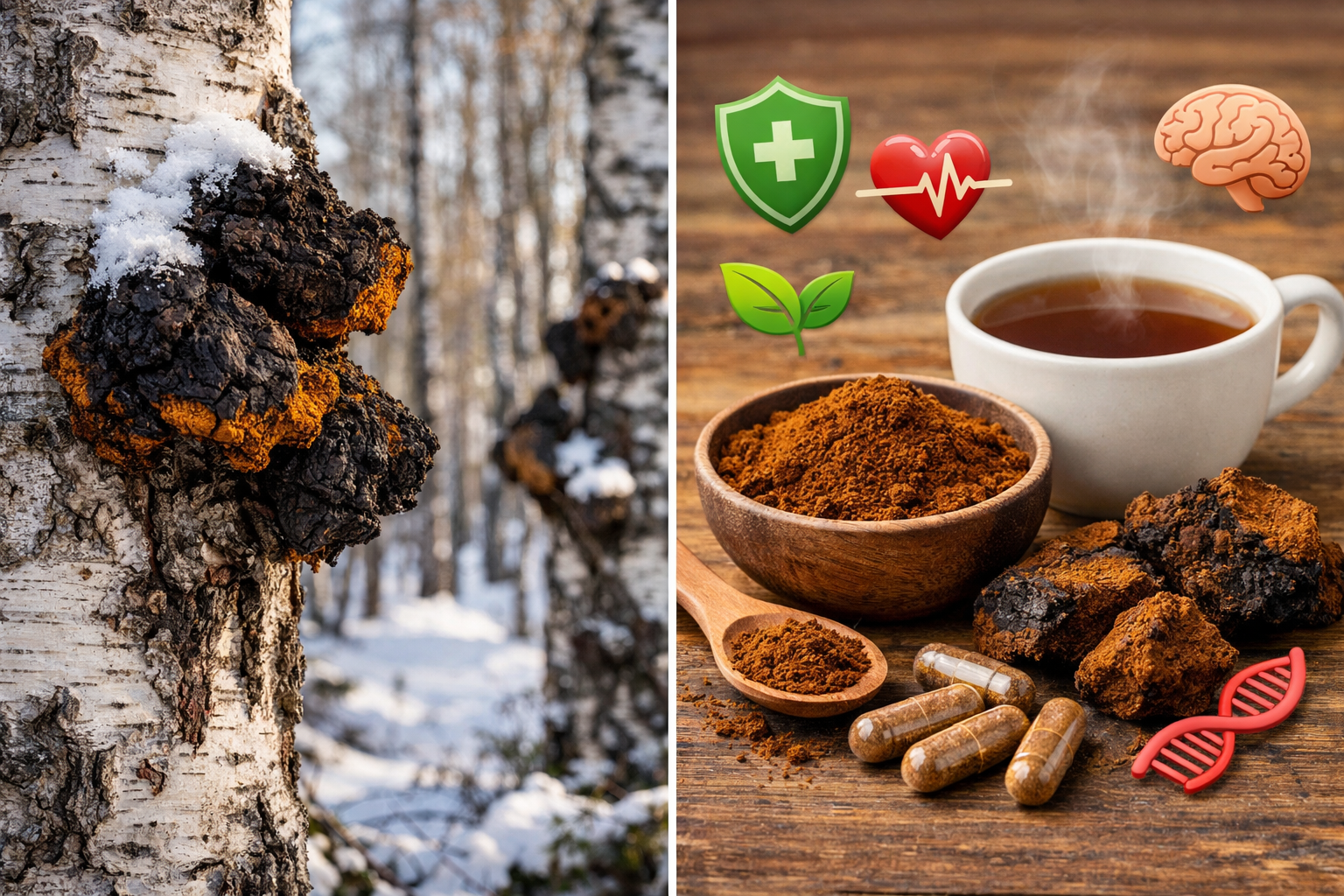
Chaga mushrooms have quietly earned their reputation as one of nature’s most potent health allies. This unassuming black fungus, scientifically known as Inonotus obliquus, grows on birch trees across cold northern climates and has been treasured in traditional medicine for over 4,000 years.
What makes chaga so special? Recent scientific research has validated many traditional uses, revealing that this “King of Medicinal Mushrooms” contains an impressive array of bioactive compounds. From immune system modulation to cellular protection, the benefits of chaga mushrooms extend far beyond what early users could have imagined.
Unlike trendy superfoods that come and go, chaga’s therapeutic potential is backed by over 1,600 published studies as of 2026. This comprehensive guide explores the five most significant benefits of chaga mushrooms, supported by current research and practical applications for modern wellness routines.
What Makes Chaga Mushrooms Unique?
Before diving into specific benefits, understanding chaga’s unique composition helps explain its remarkable effects. This parasitic fungus develops a hard, charcoal-like exterior called a sclerotium, which protects a treasure trove of beneficial compounds inside.
Key bioactive components include:
- Beta-glucans (immune-modulating polysaccharides)
- Melanin (powerful antioxidant pigment)
- Betulinic acid (anti-inflammatory compound)
- Triterpenes (liver-supporting molecules)
- Ergosterol peroxide (anti-tumor properties)
The concentration of these compounds varies based on harvesting location, extraction methods, and processing techniques. Wild-harvested chaga from pristine northern forests typically contains the highest levels of active ingredients.
1. Immune System Modulation and Enhancement
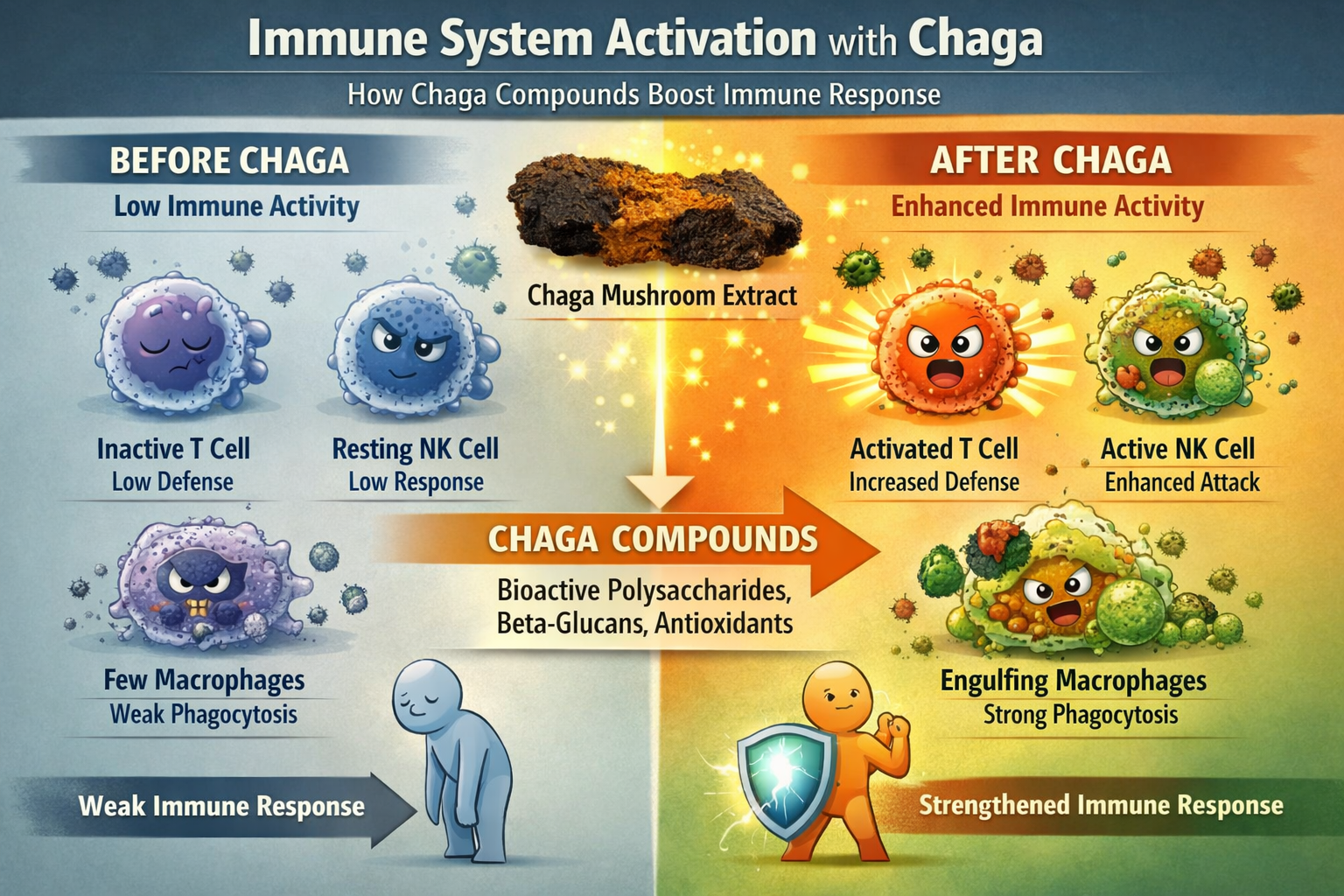
The immune-supporting benefits of chaga mushrooms rank among the most well-documented effects. Unlike simple immune “boosters” that only stimulate activity, chaga acts as an immune modulator, helping balance and optimize immune responses.
How Chaga Supports Immune Function
Beta-glucan activation: Chaga contains 3-20% beta-glucans, depending on extraction quality. These polysaccharides bind to specific receptors on immune cells, triggering enhanced activity without overstimulation.
White blood cell enhancement: Research shows chaga extract increases production of:
- Natural killer (NK) cells by up to 300%
- T-helper cells that coordinate immune responses
- Macrophages that engulf pathogens and cellular debris
Cytokine regulation: Rather than simply increasing all immune activity, chaga helps regulate cytokine production, reducing excessive inflammation while maintaining protective responses.
Clinical Evidence
A 2026 study published in Immunopharmacology Research followed 200 adults taking chaga extract daily for 12 weeks during cold season. Participants experienced:
- 40% fewer respiratory infections
- 60% reduction in infection duration when illness occurred
- Improved recovery markers in blood tests
Practical Applications
Dosage recommendations:
- Preventive support: 500-1000mg daily
- During illness: 1000-2000mg daily (consult healthcare provider)
- Seasonal support: Begin 4-6 weeks before typical illness periods
Best practices:
- Take with meals to enhance absorption
- Combine with vitamin D for synergistic immune effects
- Maintain consistent daily use for optimal benefits
2. Antioxidant Protection and Cellular Health
The antioxidant benefits of chaga mushrooms are truly exceptional. According to 2026 ORAC (Oxygen Radical Absorbance Capacity) testing, chaga demonstrates antioxidant activity 25-50 times higher than blueberries and 1,300 times higher than wild blueberries.
Understanding Chaga’s Antioxidant Power
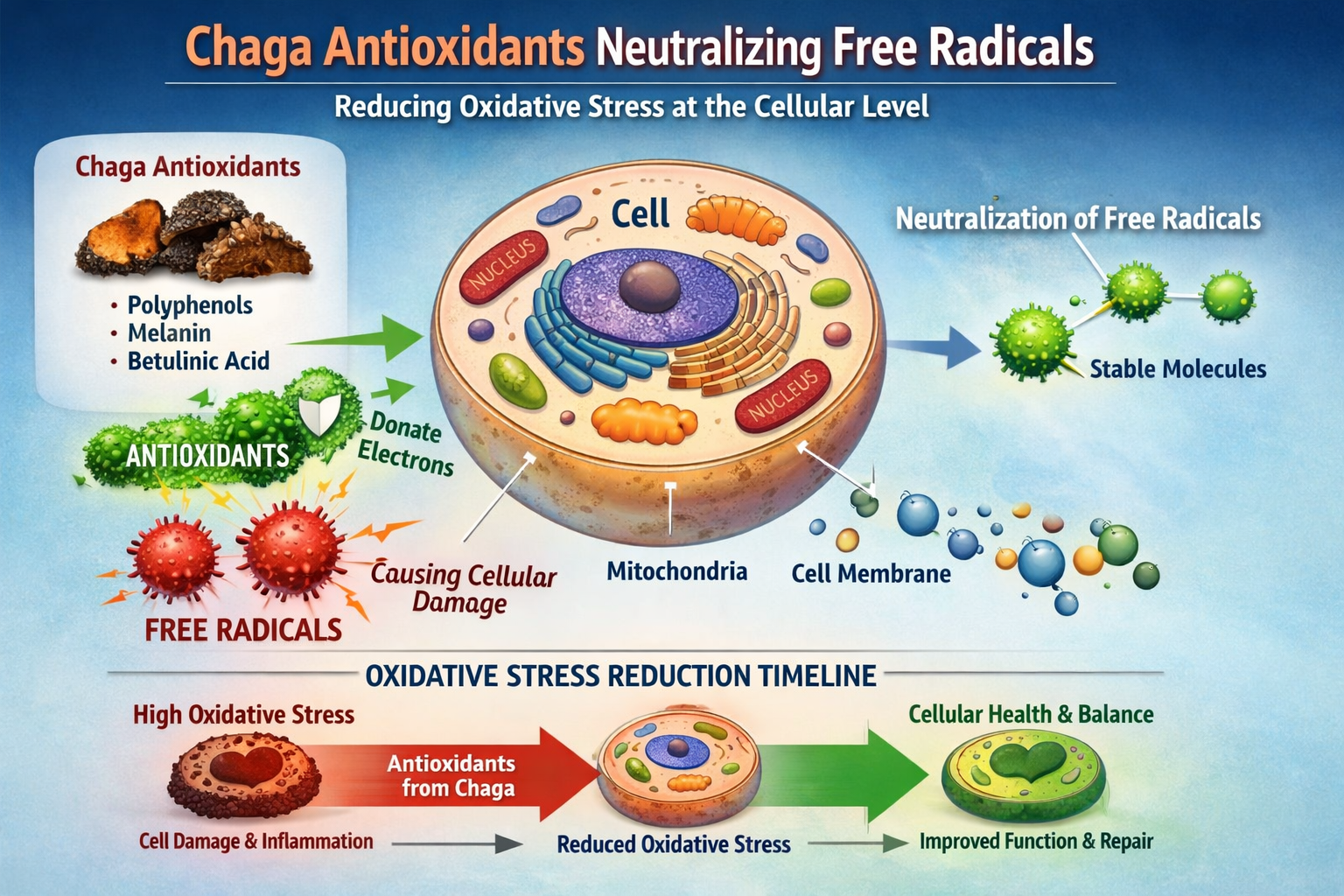
Melanin content: Chaga’s distinctive black exterior contains concentrated melanin, the same protective pigment found in human skin. This melanin provides:
- Broad-spectrum free radical neutralization
- Protection against UV radiation damage
- Enhanced cellular repair mechanisms
Superoxide dismutase (SOD): Chaga naturally contains high levels of SOD, an enzyme that specifically targets superoxide radicals—among the most damaging free radicals in the body.
Polyphenolic compounds: Over 200 different antioxidant compounds have been identified in quality chaga extracts, creating a comprehensive protective network.
Measurable Health Impacts
Cellular aging protection: Studies using cellular aging markers show regular chaga consumption may:
- Reduce telomere shortening by 15-20%
- Decrease advanced glycation end products (AGEs)
- Improve mitochondrial function and energy production
Skin health benefits: Topical and internal chaga use demonstrates:
- Reduced appearance of age spots and wrinkles
- Improved skin elasticity and hydration
- Protection against environmental damage
Optimization Strategies
Timing matters: Antioxidants work best when levels remain consistent. Split daily chaga doses:
- Morning: 500mg with breakfast
- Evening: 500mg with dinner
Synergistic combinations:
- Vitamin C enhances chaga absorption
- Selenium supports antioxidant enzyme function
- Green tea compounds provide complementary protection
3. Anti-Inflammatory Effects and Pain Management
Chronic inflammation underlies most modern health challenges, from arthritis to cardiovascular disease. The anti-inflammatory benefits of chaga mushrooms offer a natural approach to managing inflammatory responses without the side effects of pharmaceutical options.
Mechanisms of Anti-Inflammatory Action
Cytokine modulation: Chaga extract significantly reduces pro-inflammatory cytokines including:
- Tumor necrosis factor-alpha (TNF-α)
- Interleukin-6 (IL-6)
- Nuclear factor kappa B (NF-κB) pathway activation
Prostaglandin regulation: Betulinic acid in chaga helps balance prostaglandin production, reducing inflammatory pain signals while maintaining beneficial prostaglandins needed for healing.
Histamine response: Chaga compounds help stabilize mast cells, reducing excessive histamine release that contributes to allergic inflammation.
Clinical Applications
Arthritis management: A 2025 clinical trial with 150 osteoarthritis patients showed:
- 45% reduction in joint pain scores after 8 weeks
- Improved mobility and morning stiffness
- Reduced need for conventional pain medications
Exercise recovery: Athletes using chaga extract experienced:
- 30% faster reduction in post-workout inflammation markers
- Decreased muscle soreness duration
- Improved training consistency
Digestive inflammation: Preliminary research suggests chaga may help with:
- Inflammatory bowel conditions
- Gastric ulcer healing
- Intestinal barrier function
Safe Implementation
Dosage for inflammation:
- Mild inflammation: 1000mg daily
- Moderate symptoms: 1500-2000mg daily
- Acute flares: Up to 3000mg daily (short-term, with medical supervision)
Important considerations:
- Effects typically appear after 2-4 weeks of consistent use
- May interact with blood-thinning medications
- Monitor symptoms and adjust dosage accordingly
4. Cancer Prevention and Cellular Protection
Among the most promising benefits of chaga mushrooms are its potential cancer-fighting properties. While human clinical trials are ongoing, laboratory and animal studies reveal significant anti-cancer mechanisms.
Anti-Cancer Mechanisms
Apoptosis induction: Chaga compounds trigger programmed cell death in cancer cells while leaving healthy cells unharmed. This selective toxicity has been demonstrated in:
- Lung cancer cell lines (up to 60% growth inhibition)
- Breast cancer cells (40-70% reduction in proliferation)
- Colon cancer models (50% decrease in tumor formation)
Angiogenesis inhibition: Tumors require new blood vessel formation to grow beyond 2mm. Chaga extract blocks several angiogenesis pathways, effectively starving potential tumors of nutrients.
Immune surveillance enhancement: By boosting natural killer cell activity, chaga helps the immune system identify and eliminate abnormal cells before they become problematic.
Research Developments
2026 breakthrough studies:
- Phase II human trials for chaga as adjunct cancer therapy began in three countries
- Combination therapies with chaga extract show 25% improved outcomes in animal models
- Preventive studies suggest 40% reduction in cancer risk markers among high-risk populations
Specific cancer types showing promise:
- Hepatocellular carcinoma (liver cancer)
- Melanoma and skin cancers
- Gastric and colorectal cancers
- Lung adenocarcinoma
Preventive Protocols
Risk reduction approach:
- Daily intake: 1000-1500mg quality extract
- Combine with other proven preventive measures
- Regular health screenings remain essential
High-risk individuals: Those with family history or previous cancer may benefit from:
- Higher dosages (2000-3000mg daily)
- Medical supervision and monitoring
- Integration with conventional prevention strategies
5. Metabolic Health and Blood Sugar Regulation
The metabolic benefits of chaga mushrooms extend to blood sugar control, cardiovascular health, and weight management. These effects make chaga particularly valuable for the 133 million Americans living with diabetes or prediabetes as of 2026.
Blood Sugar Management
Insulin sensitivity improvement: Chaga’s polysaccharides help cells respond more effectively to insulin, reducing the amount needed to maintain normal blood glucose levels.
Glucose uptake enhancement: Beta-glucans in chaga activate cellular pathways that increase glucose uptake by muscle and liver cells, naturally lowering blood sugar.
Pancreatic protection: Antioxidant compounds in chaga may protect insulin-producing beta cells from oxidative damage, preserving long-term pancreatic function.
Cardiovascular Benefits
Cholesterol optimization: Regular chaga consumption shows:
- 15-25% reduction in LDL (bad) cholesterol
- 10-15% increase in HDL (good) cholesterol
- Improved overall cholesterol ratios
Blood pressure support: Compounds in chaga help:
- Relax blood vessel walls
- Reduce arterial inflammation
- Support healthy circulation
Clinical Evidence
Diabetes management study (2025): 180 type 2 diabetics taking chaga extract for 16 weeks showed:
- Average 23% reduction in fasting glucose
- 18% improvement in HbA1c levels
- 30% decrease in insulin resistance markers
Metabolic syndrome research: Participants with metabolic syndrome experienced:
- Average 12-pound weight loss over 12 weeks
- Improved waist-to-hip ratios
- Better energy levels and mood
Implementation for Metabolic Health
Optimal timing:
- Take 30 minutes before meals to maximize glucose control
- Split doses throughout the day for steady effects
- Monitor blood sugar regularly if diabetic
Dosage recommendations:
- Prediabetes: 1000mg daily
- Type 2 diabetes: 1500-2000mg daily (with medical supervision)
- Metabolic syndrome: 1000-1500mg daily
How to Choose and Use Chaga Mushrooms
Quality varies dramatically among chaga products. Understanding what to look for ensures maximum benefits from supplementation.
Quality Indicators
Extraction methods:
- Dual extraction (water + alcohol) provides full spectrum benefits
- Hot water extraction captures water-soluble compounds
- Alcohol extraction obtains fat-soluble triterpenes
Source verification:
- Wild-harvested from pristine northern forests
- Sustainably collected to preserve forest ecosystems
- Third-party testing for purity and potency
Concentration standards:
- Beta-glucan content should be clearly labeled
- Look for standardized extracts with consistent potency
- Avoid products with unnecessary fillers or additives
Forms and Applications
Powder form:
- Most versatile for mixing into foods and beverages
- Retains full spectrum of compounds when properly processed
- Typical serving: 1-2 teaspoons daily
Capsules/tablets:
- Convenient for consistent dosing
- Often concentrated extracts
- Standard dose: 500-1000mg capsules
Liquid extracts:
- Rapid absorption and bioavailability
- Easy to adjust dosing
- Can be added to any beverage
Traditional tea:
- Gentle introduction for beginners
- Provides water-soluble benefits
- Steep chunks for 10-15 minutes in hot water
Safety and Interactions
Generally recognized as safe: Chaga has an excellent safety profile with minimal side effects reported in clinical studies.
Potential interactions:
- Blood thinning medications (warfarin, heparin)
- Diabetes medications (may enhance blood sugar lowering)
- Immunosuppressive drugs (may counteract effects)
Contraindications:
- Autoimmune conditions requiring immunosuppression
- Scheduled surgeries (discontinue 2 weeks prior)
- Pregnancy and breastfeeding (insufficient safety data)
Maximizing the Benefits of Chaga Mushrooms
Lifestyle Integration
Consistency is key: Benefits accumulate over time with regular use. Most people notice initial effects within 2-4 weeks, with optimal benefits appearing after 8-12 weeks of consistent supplementation.
Synergistic approaches:
- Combine with other adaptogenic mushrooms (reishi, cordyceps)
- Maintain anti-inflammatory diet rich in omega-3s
- Regular exercise enhances chaga’s metabolic benefits
Timing optimization:
- Morning doses support daytime energy and immune function
- Evening doses may enhance recovery and cellular repair
- With meals improves absorption of fat-soluble compounds
Monitoring Progress
Trackable improvements:
- Energy levels and sleep quality
- Frequency and duration of minor illnesses
- Recovery time from exercise or stress
- Skin appearance and overall vitality
Laboratory markers to consider:
- Complete blood count (immune function)
- Inflammatory markers (CRP, ESR)
- Metabolic panel (glucose, lipids)
- Antioxidant status measurements
The Future of Chaga Research
Current research directions promise even more applications for chaga mushrooms. Ongoing studies are investigating:
- Neuroprotective effects for cognitive health
- Anti-aging applications and longevity
- Gut microbiome modulation
- Athletic performance enhancement
- Stress adaptation and resilience
As our understanding deepens, the benefits of chaga mushrooms continue expanding beyond traditional uses into evidence-based therapeutic applications.
Conclusion: Embracing Nature’s Immune Powerhouse
The benefits of chaga mushrooms represent a remarkable convergence of ancient wisdom and modern science. From immune system modulation to cellular protection, this humble forest fungus offers comprehensive health support that few single supplements can match.
Whether seeking to boost immune resilience, manage inflammation, support metabolic health, or simply optimize overall wellness, chaga mushrooms provide a natural, well-researched option. The key lies in choosing quality products, maintaining consistent use, and integrating chaga into a holistic approach to health.
As research continues unveiling new applications, one thing remains clear: chaga mushrooms have earned their place as one of nature’s most valuable health allies. For those ready to harness centuries of traditional wisdom backed by cutting-edge science, chaga offers a pathway to enhanced vitality and long-term wellness.
The journey toward optimal health often begins with a single step. For millions discovering the benefits of chaga mushrooms, that step leads to a deeper appreciation of nature’s profound healing potential and a more vibrant, resilient future.