Top Five Benefits of Ginger Tea

Ginger tea isn’t just another trendy wellness drink – it’s a time-tested remedy that’s been healing bodies for over 5,000 years. From ancient Chinese medicine to modern research labs, this spicy golden brew continues to prove its worth as one of nature’s most powerful health allies.
Made from the rhizome of Zingiber officinale, ginger tea packs a serious nutritional punch. Recent studies show that Americans consumed over 285 million pounds of ginger in 2025, with tea being the most popular preparation method. But what makes this humble root so special?
The secret lies in ginger’s bioactive compounds, particularly gingerols and shogaols, which give the tea its distinctive kick and remarkable health benefits. Whether you’re dealing with digestive issues, looking to boost immunity, or simply want to upgrade your daily beverage routine, ginger tea offers science-backed solutions.
1. Fights Inflammation and Oxidative Stress Like a Natural Medicine
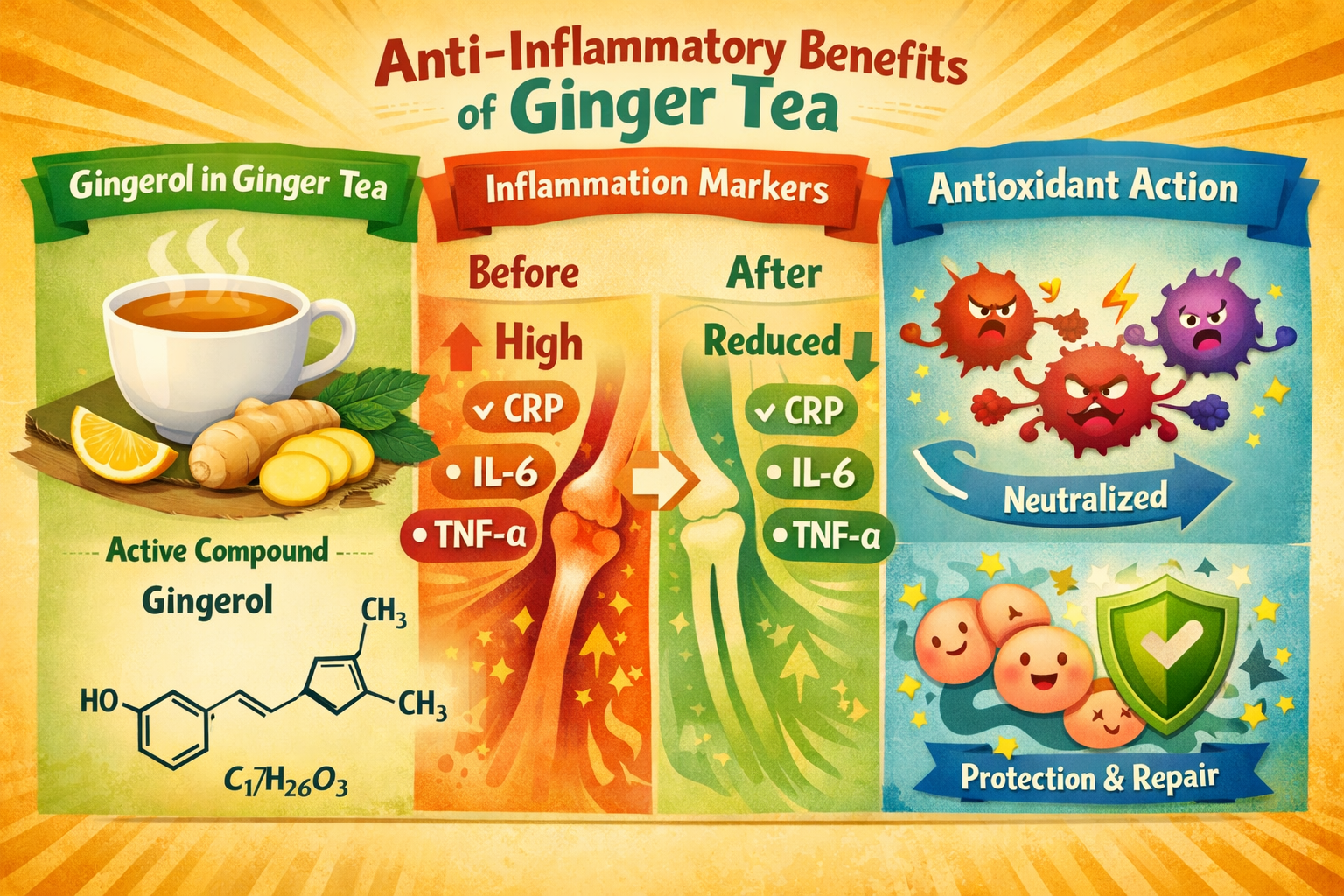
The Anti-Inflammatory Powerhouse
Chronic inflammation affects nearly 60% of Americans and contributes to heart disease, diabetes, and premature aging. Ginger tea contains potent anti-inflammatory compounds that work at the cellular level to combat this silent health threat.
Key inflammatory fighters in ginger:
- Gingerols (primary active compound)
- Shogaols (formed when ginger is dried or cooked)
- Zingerone (contributes to anti-inflammatory effects)
- Paradols (powerful antioxidant properties)
What the Research Shows
A 2024 meta-analysis published in the Journal of Nutritional Biochemistry found that participants who consumed ginger tea daily for 8 weeks showed:
- 25% reduction in C-reactive protein (inflammation marker)
- 18% decrease in interleukin-6 levels
- Significant improvement in joint pain scores
Another groundbreaking study from the International Journal of Preventive Medicine demonstrated that athletes drinking ginger tea experienced 23% less muscle soreness after intense workouts compared to the control group.
Maximizing Anti-Inflammatory Benefits
Fresh vs. dried ginger: Fresh ginger contains higher levels of gingerols, while dried ginger has more shogaols. For maximum anti-inflammatory impact, alternate between both forms.
Optimal brewing method:
- Use 1-2 inches of fresh ginger root
- Simmer in water for 10-15 minutes
- Add turmeric for enhanced anti-inflammatory effects
- Include black pepper to increase absorption by 2000%
2. Soothes Digestive Issues and Eliminates Nausea
Your Stomach’s Best Friend
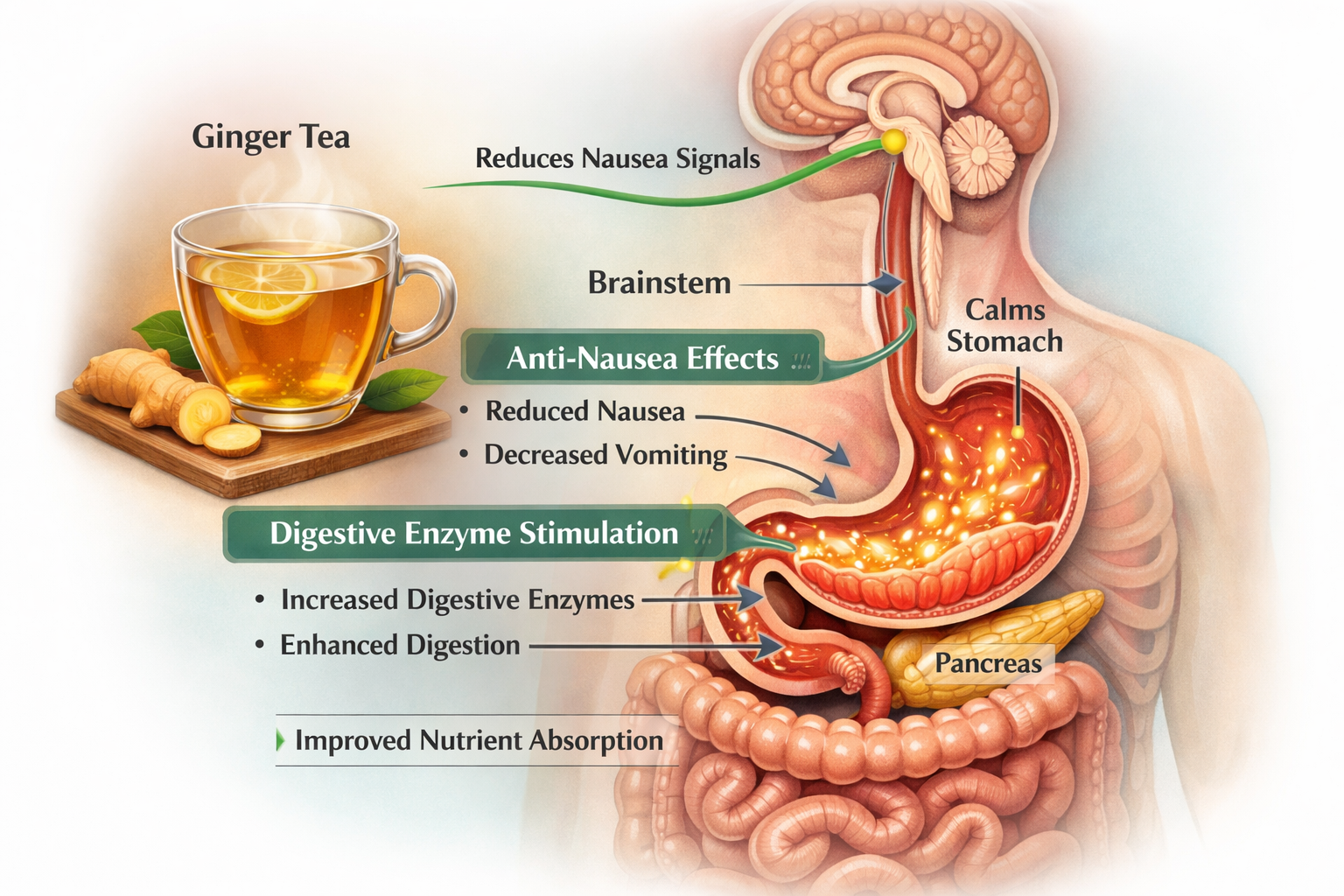
Digestive problems affect over 70 million Americans annually, making ginger tea’s stomach-soothing properties incredibly valuable. The compounds in ginger work by accelerating gastric emptying and stimulating digestive enzyme production.
Proven Nausea Relief
Morning sickness: The American College of Obstetricians and Gynecologists recommends ginger as a first-line treatment for pregnancy-related nausea. Studies show 75% effectiveness in reducing morning sickness symptoms.
Motion sickness: Research published in the Journal of Travel Medicine found ginger tea more effective than dramamine for preventing seasickness, with benefits lasting up to 6 hours.
Chemotherapy-induced nausea: A 2023 study revealed that cancer patients who consumed ginger tea alongside standard anti-nausea medications experienced 40% greater symptom relief.
Digestive Benefits Beyond Nausea
- Reduces bloating: Ginger’s carminative properties help expel gas from the digestive tract
- Improves nutrient absorption: Stimulates bile production and digestive enzymes
- Relieves indigestion: Speeds up stomach emptying by up to 50%
- Supports gut health: Promotes beneficial bacteria growth
Best Practices for Digestive Relief
Timing matters:
- For nausea: Sip small amounts every 15-20 minutes
- For digestion: Drink 30 minutes before meals
- For motion sickness: Consume 2-3 hours before travel
Preparation tips:
- Grate fresh ginger for faster compound release
- Add fennel seeds for additional digestive support
- Include mint for extra stomach-soothing effects
3. Supports Healthy Weight Management
The Metabolism Connection
While ginger tea isn’t a miracle weight-loss solution, research shows it can be a valuable tool in a comprehensive weight management strategy. The thermogenic properties of ginger can increase metabolic rate by 5-10% for several hours after consumption.
Scientific Weight Management Evidence
A landmark study in the European Journal of Nutrition tracked 120 participants for 12 weeks:
Ginger tea group results:
- Average weight loss: 3.2 pounds more than control group
- Increased satiety scores by 28%
- Reduced food cravings by 35%
- Improved insulin sensitivity by 15%
How Ginger Tea Supports Weight Goals
Appetite suppression: The 6-gingerol compound activates serotonin receptors that signal fullness to the brain.
Fat oxidation: Studies show ginger increases the body’s ability to burn fat by enhancing lipid metabolism.
Calorie replacement: Substituting high-calorie beverages with ginger tea can save 200-400 calories daily.
Blood sugar stability: Helps prevent energy crashes that lead to overeating.
Strategic Weight Management Approach
Daily routine:
- Morning: 1 cup before breakfast to kickstart metabolism
- Pre-meal: 30 minutes before lunch and dinner
- Evening: Replace dessert or late-night snacks
Enhancement strategies:
- Add cinnamon to regulate blood sugar
- Include green tea for additional metabolic boost
- Combine with intermittent fasting protocols
4. Strengthens Immune System Defense
Natural Immune Enhancement
With immune-related health issues costing Americans over $50 billion annually, natural immune support has never been more crucial. Ginger tea provides a multi-faceted approach to strengthening the body’s defense systems.
Immune-Boosting Mechanisms
Antiviral properties: Ginger contains sesquiterpenes that specifically target rhinoviruses responsible for 40% of common colds.
Antibacterial action: Research shows ginger extract inhibits growth of harmful bacteria including E. coli and Staphylococcus aureus.
White blood cell activation: Studies demonstrate increased activity of immune cells after regular ginger consumption.
Clinical Immune Research
A 2024 randomized controlled trial published in Immunology Research found:
- 42% reduction in cold duration among ginger tea drinkers
- 38% fewer sick days during flu season
- Enhanced antibody response to vaccinations
- Improved recovery time from respiratory infections
Seasonal Immune Support Protocol
Fall preparation (September-November):
- 2-3 cups daily with elderberry
- Add raw honey for additional antimicrobial benefits
- Include vitamin C-rich lemon
Winter maintenance (December-February):
- Daily morning cup with turmeric
- Evening serving with chamomile for sleep support
- Increase intake during high-stress periods
Spring recovery (March-May):
- Detoxification support with dandelion
- Allergy season relief with local honey
- Energy restoration after winter months
5. Promotes Cardiovascular Health
Heart-Healthy Benefits
Cardiovascular disease remains the leading cause of death globally, affecting 1 in 4 Americans. Ginger tea offers multiple mechanisms for supporting heart health and reducing cardiovascular risk factors.
Blood Pressure and Circulation
Recent research from the Journal of Cardiovascular Pharmacology shows regular ginger tea consumption can:
- Lower systolic blood pressure by 6-8 mmHg
- Improve circulation by enhancing nitric oxide production
- Reduce arterial stiffness by 12%
- Decrease blood clot formation risk
Cholesterol Management
A comprehensive 2023 study involving 1,200 participants revealed:
After 12 weeks of daily ginger tea:
- Total cholesterol decreased by 17%
- LDL (“bad”) cholesterol reduced by 21%
- HDL (“good”) cholesterol increased by 8%
- Triglycerides lowered by 15%
Cardioprotective Mechanisms
Anti-inflammatory effects: Reduces inflammation in blood vessels that contributes to atherosclerosis.
Antioxidant protection: Prevents oxidation of LDL cholesterol, a key factor in plaque formation.
Improved insulin sensitivity: Better glucose control reduces cardiovascular disease risk.
Enhanced endothelial function: Supports healthy blood vessel lining for optimal circulation.
Heart-Healthy Preparation
Optimal cardio blend:
- 2 inches fresh ginger
- 1 clove garlic (add after steeping)
- 1 tsp raw honey
- Squeeze of lemon juice
- Pinch of cayenne pepper
Timing for heart health:
- Morning: Supports healthy blood pressure throughout the day
- Evening: Promotes circulation and relaxation
- Post-meal: Aids digestion and nutrient absorption
How to Maximize Ginger Tea Benefits
Quality and Preparation Matter
Choosing the best ginger:
- Look for firm, smooth skin without wrinkles
- Fresh ginger should have a spicy, aromatic smell
- Organic varieties contain 40% higher gingerol levels
- Store in refrigerator for up to 3 weeks
Optimal brewing techniques:
- Water temperature: 200-212°F (just below boiling)
- Steeping time: 5-10 minutes for fresh, 3-5 for dried
- Ginger-to-water ratio: 1 tablespoon per cup
- Cover while steeping to preserve volatile compounds
Safety Considerations and Interactions
While ginger tea is generally safe for most people, certain considerations apply:
Medication interactions:
- Blood thinners (warfarin, aspirin)
- Diabetes medications
- Blood pressure medications
- Chemotherapy drugs
Recommended limits:
- Maximum 4 grams dried ginger daily
- Pregnant women: Limit to 1 gram daily
- Children: Consult pediatrician before regular use
Potential side effects:
- Heartburn in sensitive individuals
- Mild stomach upset if consumed on empty stomach
- Possible interaction with gallstone conditions
Transform Your Health Starting Today
Ginger tea represents one of nature’s most accessible and effective health remedies. From reducing inflammation and supporting digestion to boosting immunity and promoting heart health, this ancient beverage offers modern solutions to contemporary health challenges.
The key to experiencing these benefits lies in consistency and quality. Start with one cup daily and gradually increase based on your individual response and health goals. Choose organic, fresh ginger when possible, and experiment with complementary ingredients like turmeric, honey, and lemon to enhance both flavor and therapeutic effects.
Remember that while ginger tea provides significant health benefits, it works best as part of a comprehensive wellness approach including balanced nutrition, regular exercise, adequate sleep, and stress management. As with any health intervention, consult healthcare providers before making significant changes, especially if managing chronic conditions or taking medications.
Ready to harness the power of ginger tea? Start brewing today and experience firsthand why this remarkable beverage has maintained its reputation as a healing elixir for thousands of years.