If you love your morning coffee but worry about what might be hiding in the beans, you are not alone. You want a cup that tastes great and comes from a brand that takes mold and mycotoxin testing seriously, without having to sort through vague labels on your own.
This shortlist brings together five coffees that put clean sourcing and testing front and center. Before you choose, it also helps to understand what those claims really mean, so read Is There Mold in Your Coffee? What Mycotoxin-Free Claims Actually Mean for the background behind the labels.
Quick picks
| Coffee | What to know | Link |
|---|---|---|
| Lifeboost | Low-acid, single-origin coffee with a focus on third-party testing. | Check price |
| Fabula | Organic, low-acid coffee that highlights lab testing for mold and mycotoxins. | Check price |
| Danger Coffee | A mold-free coffee positioned for a clean-tasting everyday brew. | Check price |
| Paleovalley | Organic coffee that emphasizes clean sourcing and a smooth roast. | Check price |
| Equip | A straightforward roast for everyday drinking, with an emphasis on simple, clean ingredients. | Check price |
Lifeboost Coffee
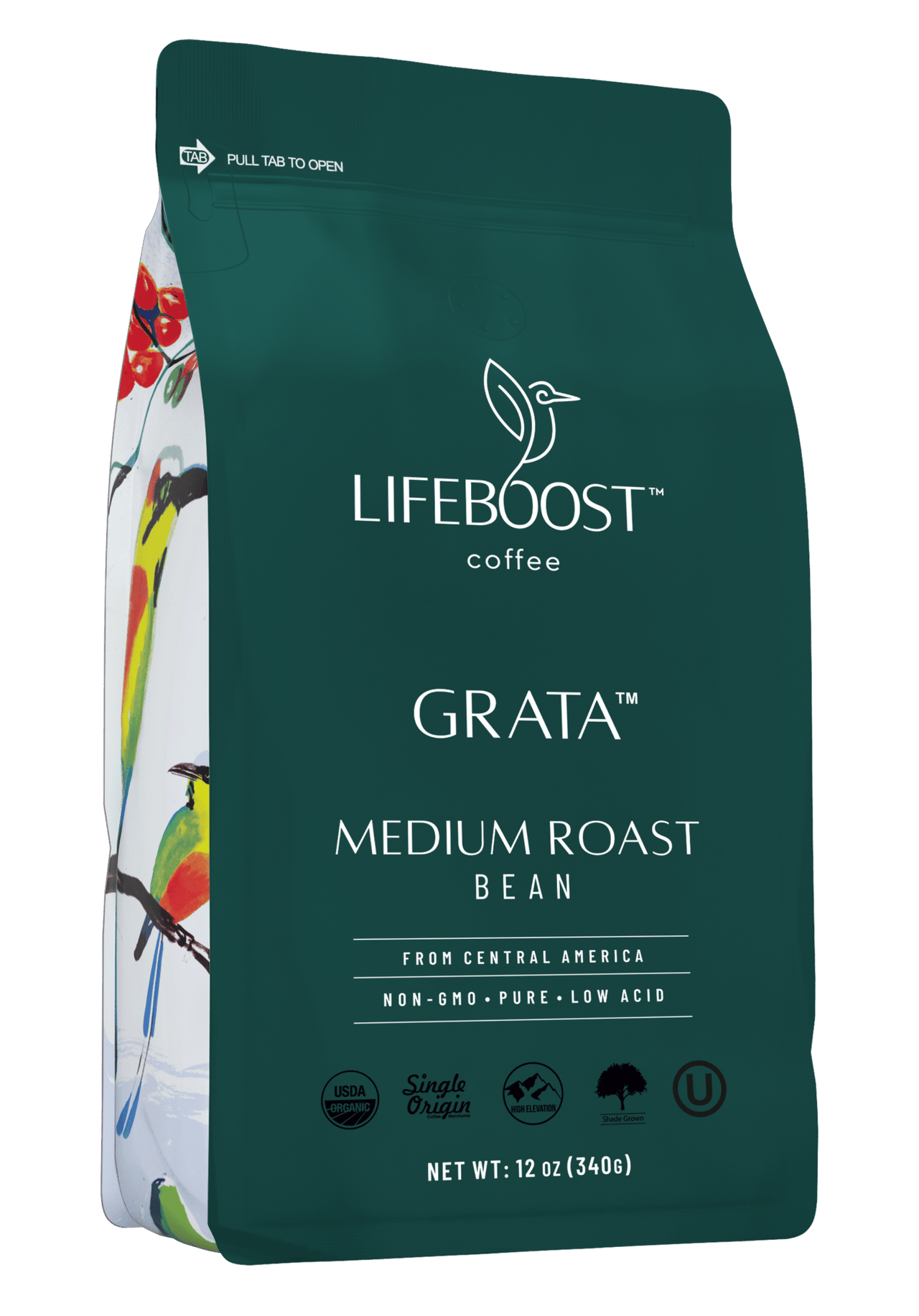
Lifeboost is the low-acid pick. Their coffee is small-batch roasted, specialty grade, and lab tested for mycotoxins, pesticides, and heavy metals. The link below goes to their Fall Seasonal Collection, so if you like a flavored roast, this is where the seasonal options live — Pumpkin Spice, Southern Pecan, Dark Chocolate Sea Salt Caramel, and S’mores, alongside their regular roasts.
- Good if you: want a low-acid coffee and like seasonal flavors
- Try first: a seasonal flavor if you drink flavored coffee, or their original roast if you don’t
Fabula Coffee
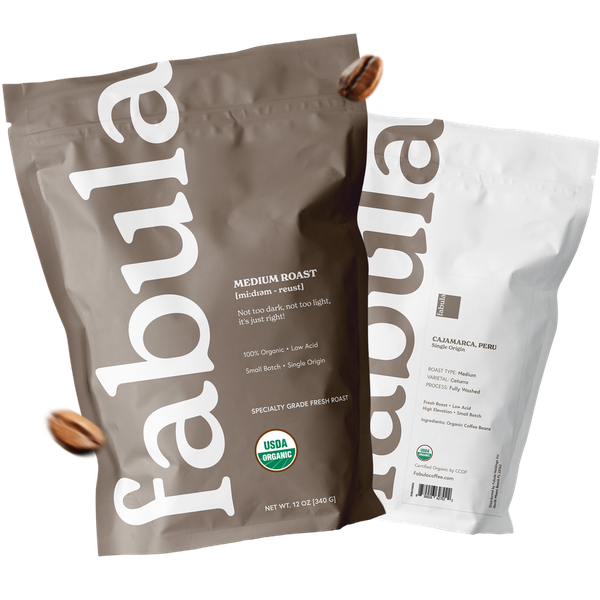
Fabula is the organic, lab-tested-everything pick. Their coffee is USDA Organic, naturally low-acid, and independently lab-tested for over 550 contaminants. The beans are specialty-grade Arabica, grown at high altitudes, and roasted to order. They also make recyclable coffee pods if you brew with a pod machine.
- Good if you: want organic beans with the most thorough testing on this list
- Try first: their organic whole bean coffee, ground for however you brew
Danger Coffee
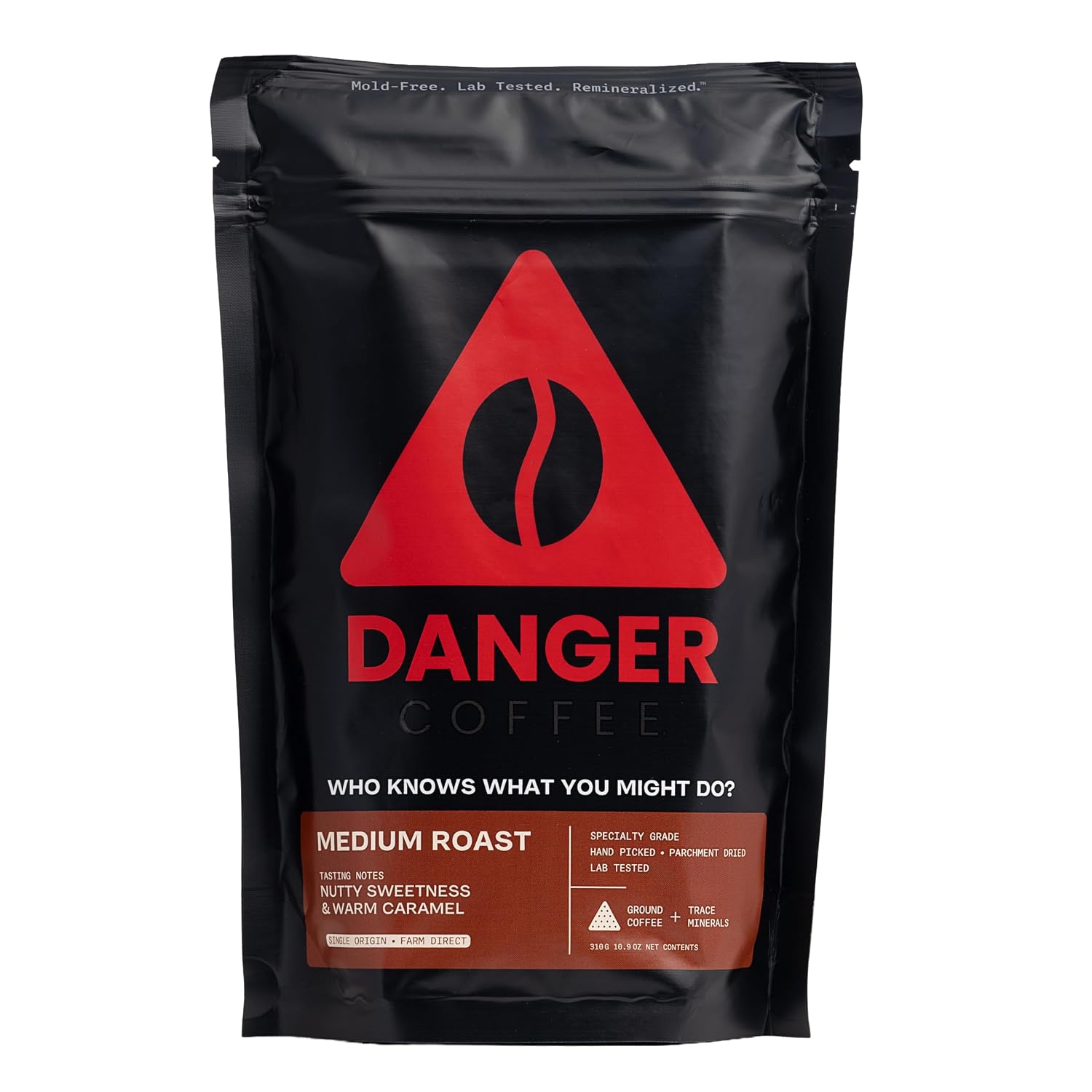
Danger Coffee is the one with a twist: it is remineralized. The beans are single-origin from Central America, specialty grade, and every batch is third-party tested to be free of mold and other toxins. Then the coffee is remineralized with 50+ trace minerals (fulvic and humic minerals), which is the brand’s whole point — minerals to support gut health, nutrient absorption, and steady energy. It comes in medium and dark roast, whole bean or ground, plus decaf and compostable pods. Note that Danger is not organic-certified; the brand says its beans are naturally farmed and lab tested instead.
- Good if you: want a tested coffee with something extra in it, and you drink your coffee black
- Try first: the Medium Roast Whole Bean, which is their original roast with nutty sweetness and warm caramel notes
Equip Foods Clean Coffee
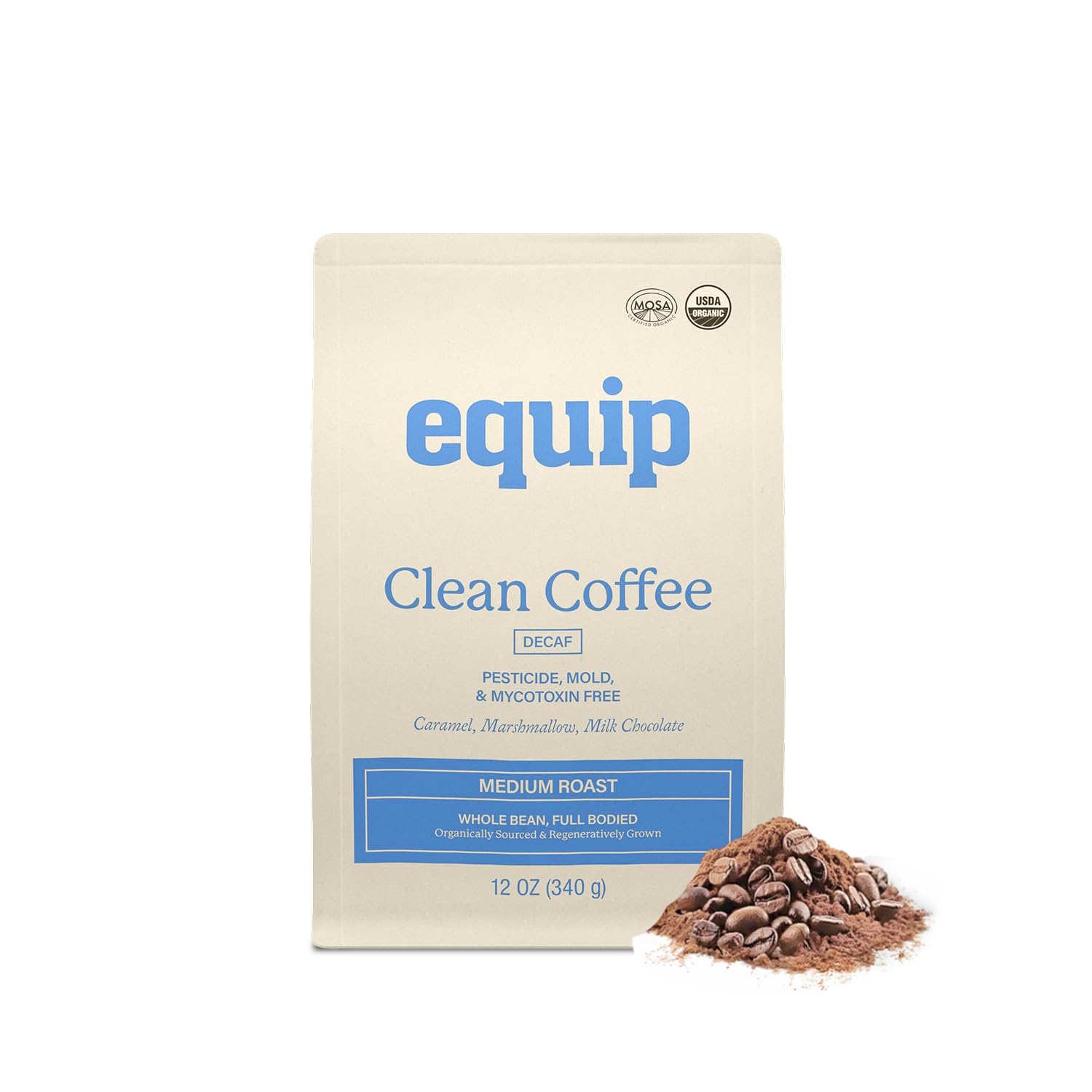
Equip Foods is the straightforward one. Their Clean Coffee is organically grown, fair trade, and regenerative, and the brand calls it mold-free outright. It is whole bean, with a regular and a decaf option. If you already know Equip from their protein or supplement line, this is the same no-nonsense approach applied to coffee.
- Good if you: want an organic, whole bean coffee with a short ingredient story
- Try first: the regular whole bean if you drink caffeinated, or the decaf if you don’t
Paleovalley Organic Coffee
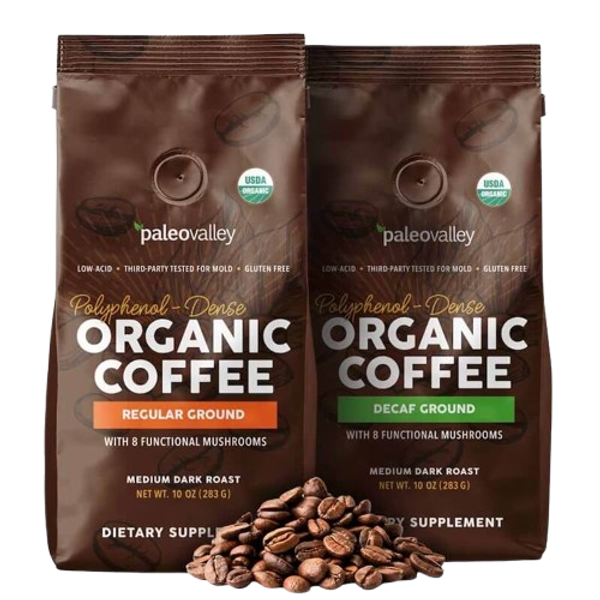
Paleovalley is the functional pick. Their coffee is organic, low-acid, and third-party tested for pesticides, mold, and mycotoxins. The beans are single-origin from Honduras (regular) and Peru (decaf), freshly roasted in the USA. What makes it different is the blend: eight functional mushrooms, including lion’s mane, chaga, turkey tail, and reishi, using the full fruiting body. The decaf is Swiss Water processed, so no chemicals in the decaffeination step. The brand says most people will never notice it is not standard coffee — it tastes like a medium/dark roast.
- Good if you: want a low-acid coffee and like the idea of functional mushrooms in your morning cup
- Try first: the regular roast if you want the full mushroom blend experience, or the decaf if you want the same coffee later in the day
Conclusion
These five cover a lot of ground — organic and low-acid options, a functional mushroom blend, and straightforward clean coffee — so the best starting point is whichever description sounds most like your kind of cup. Try one bag first, see how you like it, and go from there. That’s really all there is to it: tested beans, a roast you enjoy, and a cup you look forward to.
This post is for general information only and is not medical advice. If you have a health condition, check with your clinician before changing supplements or routines.