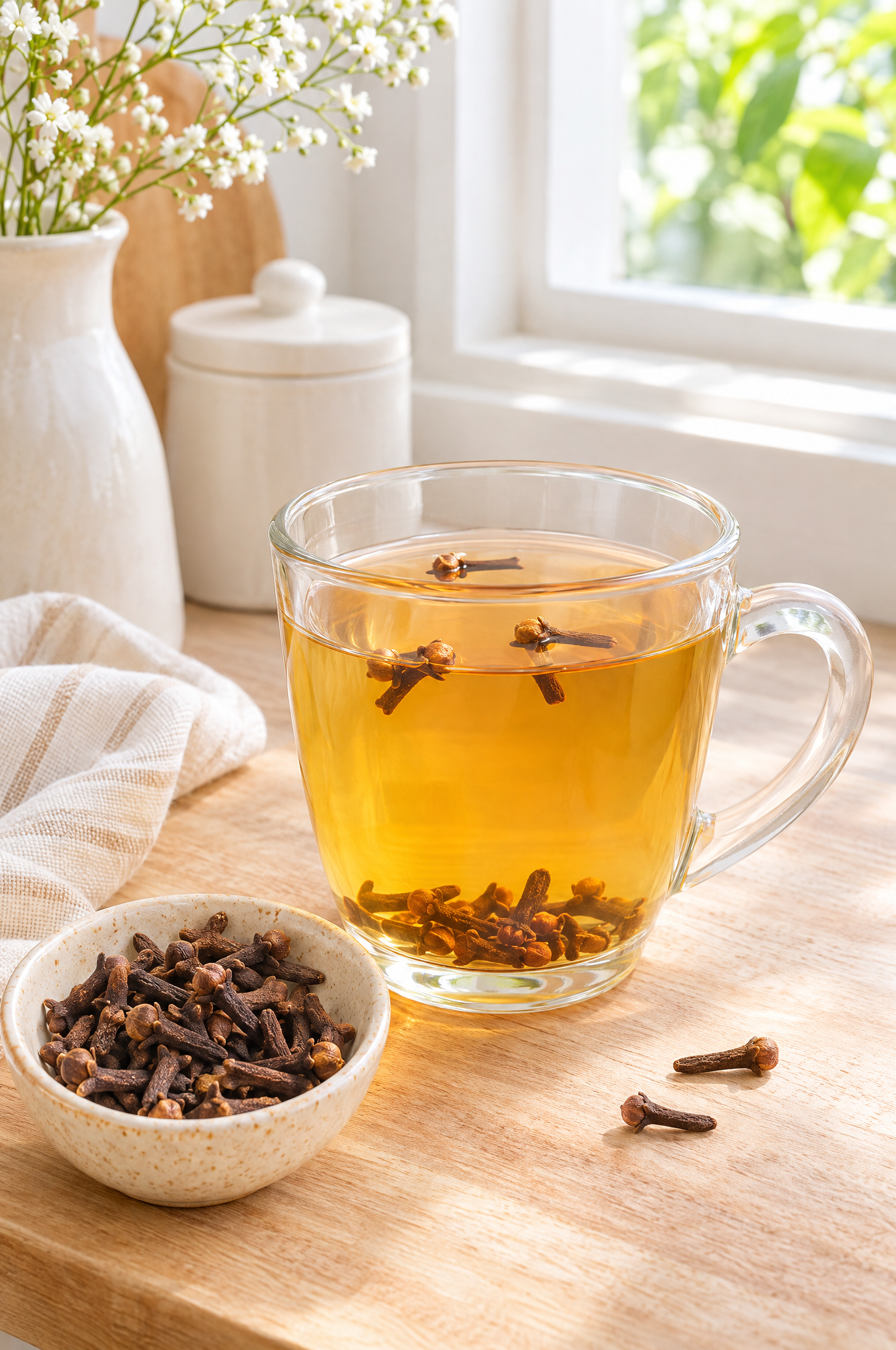
If you have ever opened a jar of whole cloves, you know the scent — warm, sweet-spicy, and strong enough to fill a kitchen from a single pinch. Clove water takes that spice and turns it into the simplest morning ritual I know: a few whole cloves, a glass of water, and a night of soaking.
Benefits of clove water are the reason this little ritual has traveled from traditional kitchens in India, Asia, and the Middle East onto morning routines everywhere. This guide shares what clove water is, what it is good for, how I make it, and who should take care.
On This Page
- What Clove Water Is
- Benefits of Clove Water for Digestion
- Benefits of Clove Water for Oral Health
- Benefits of Clove Water for Skin and Hair
- Benefits of Clove Water for Women
- How to Make Clove Water
- Clove Water Safety
- Clove Water: Good If You
- The Bottom Line on Benefits of Clove Water
What Clove Water Is
Clove water is exactly what it sounds like: water infused with whole cloves. Cloves are the dried flower buds of the clove tree, Syzygium aromaticum, picked pink before they open and dried in the sun until they turn dark brown and hard. Their warm, numbing flavor comes mainly from eugenol, an aromatic compound researchers have studied for its antioxidant, antibacterial, and soothing effects.
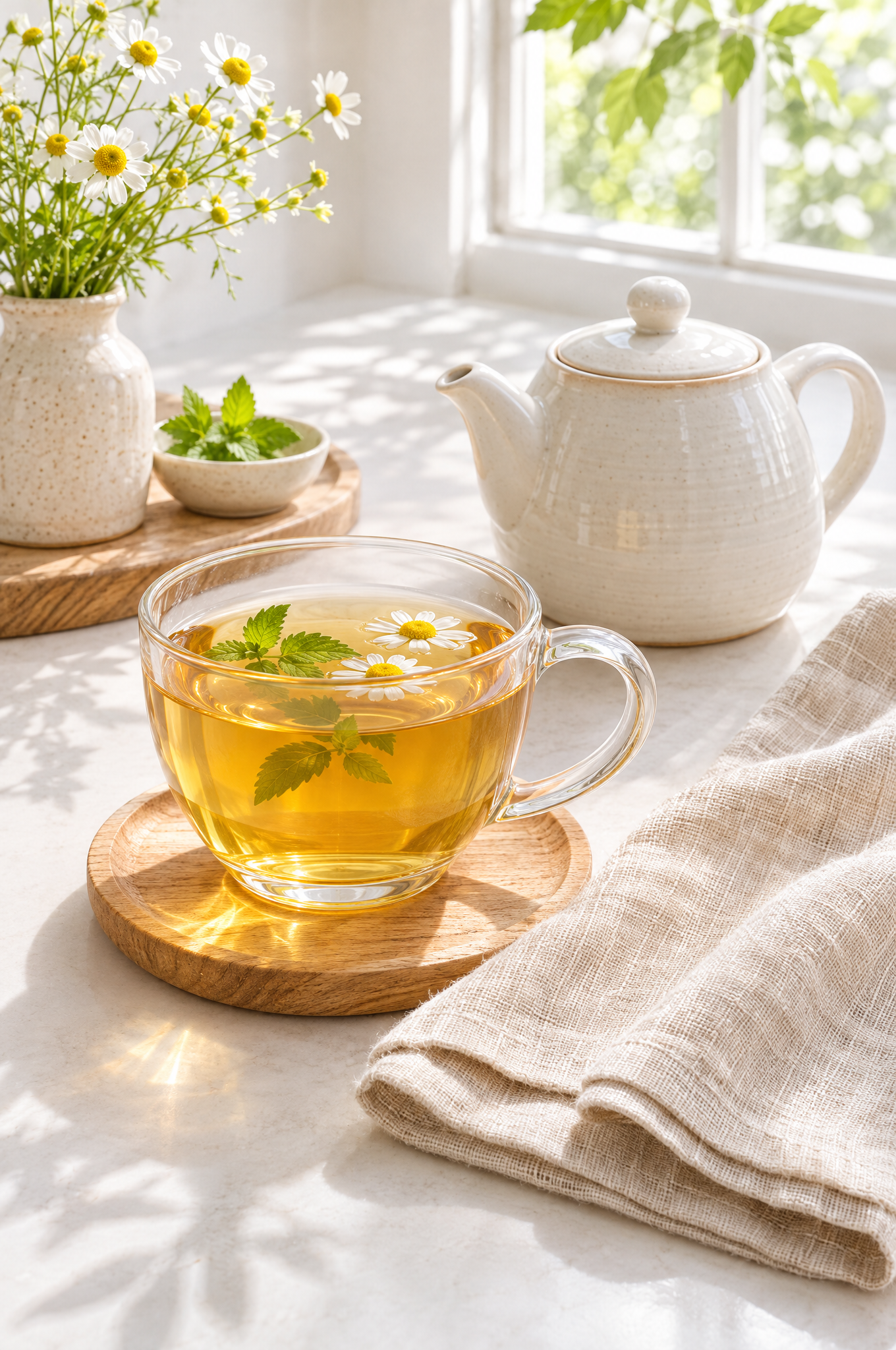
There are two ways to make it. The overnight soak is the classic: four or five whole cloves in a glass of water, covered, left for eight to twelve hours, then strained and drunk in the morning. The quick version is a steep: three or four lightly crushed cloves in a cup of just-boiled water, covered for five to ten minutes, then strained.
Clove water is not clove oil, and the difference matters: clove oil is a concentrated essential oil, never a drink. Clove water is the gentle version — whole cloves in water, mild enough for a daily cup. It is close kin to clove tea, the same cloves steeped hot instead of soaked cold.
If you enjoy a daily tea ritual, my Matula Tea guide walks through another one — a thirty-day South African tea course I drank for my gut.
Benefits of Clove Water for Digestion
Benefits of clove water for digestion are the reason most people start drinking it. Cloves have been used in traditional remedies for digestive troubles for centuries, and the eugenol in them is thought to support digestion by encouraging digestive enzymes and relaxing the gut — which is why a warm cup after a heavy meal feels so settling.
I love it as a morning drink for exactly this reason: one small cup on an empty stomach, before breakfast, and my digestion feels steadier through the day.
Cloves are also one of the spices richest in antioxidants, full of polyphenols and flavonoids that help the body handle everyday oxidative stress.
Benefits of Clove Water for Oral Health
Benefits of clove water for oral health go back the furthest of all — clove has been the traditional toothache remedy for generations, and eugenol is still used in dentistry today. The same numbing compound is what you are sipping in clove water, just much gentler.
I love clove water as a morning mouth rinse as much as a drink: swish a little of the warm infusion around your mouth before swallowing, and it leaves the mouth feeling fresh and clean.
If your gums feel tender or your breath needs a lift, this is the gentlest way I know to bring clove into the routine — a small cup, a slow swish, and a fresh start.
Benefits of Clove Water for Skin and Hair
Benefits of clove water for skin and hair are quieter than the digestive ones, but they are part of why I keep the ritual going. I dab a little of the cooled infusion on my face with a cotton pad when my skin feels dull or breakout-prone, and it leaves it feeling clean and toned. For hair, clove water is a traditional rinse: poured through the hair after washing, it adds shine and a faint scent of spice. These are traditional uses, passed down through generations of kitchens and bathrooms, and I love them for exactly that reason: simple, cheap, and easy to try for yourself.
Benefits of Clove Water for Women
Benefits of clove water for women are the reason this drink has taken off on Pinterest. In women’s wellness circles, clove water is a beloved monthly ritual, traditionally used for comfort around the menstrual cycle, when the warming spice feels soothing and steadying.
Clove’s warming nature is the draw here: a warm cup in the morning, a moment to yourself, and a spice that has been a part of women’s traditional remedies for centuries. I love it most as a simple, grounding ritual — one small cup, made the night before, drunk slowly before the day starts. If you are pregnant or breastfeeding, though, take care: cloves in food are fine, but skip concentrated clove drinks and supplements and check with your doctor first.
How to Make Clove Water
How to make clove water could not be simpler, and the overnight soak is my favorite method:
Overnight soak. Place four or five whole cloves in a glass of water — about one cup, or 250 ml. Cover it and leave it on the counter for eight to twelve hours, then strain out the cloves and drink.
Quick steep. Lightly crush three or four whole cloves, put them in a cup, and pour over 250 ml of just-boiled water. Cover and steep for five to ten minutes, then strain. Add a little honey if you like — half a teaspoon is plenty — or a stick of cinnamon for a warmer flavor.
Simmered infusion. Add five or six cloves to one cup of water and bring it to a gentle simmer for five to thirty minutes, depending on how strong you like it. Strain and drink warm.
I drink one small cup a day, first thing in the morning on an empty stomach, and that is the amount I stick with. A few cloves go a long way — the flavor is strong — so start small and let your taste guide you. Use whole cloves, never clove oil, and make it fresh each day.
Clove Water Safety
Clove water is a gentle drink, and a small daily cup is fine for most adults:
Cloves can slow blood clotting, so if you take blood thinners or have a bleeding disorder, check with your doctor or pharmacist before making clove water a daily habit. The same goes if you take diabetes medication — clove may nudge blood sugar lower, so keep an eye on it and talk with your doctor.
Too much of a good thing is real here: drinking a lot of clove water can irritate the stomach and, in very large amounts, stress the liver. One small cup a day is the sweet spot — more is not better.
Never drink clove oil, and never give clove oil to children by mouth — small amounts have caused seizures and liver damage in children. Clove water is not for babies, and if you are pregnant or breastfeeding, skip concentrated clove drinks and supplements and check with your doctor first.
Store your whole cloves in a cool, dry place in a sealed jar, and they will keep their scent and strength for a long time.
Clove Water: Good If You
Clove water is a lovely fit if you want the simplest morning ritual there is — a few cloves, a glass of water, and a warm, steady start. It suits you if you love spiced, warming drinks, if your digestion feels better with a little help in the morning, or if you want a caffeine-free ritual that costs almost nothing.
Try it first with the overnight soak for a week: four cloves, one glass of water, strained and drunk slowly before breakfast. If you love the warmth and the ritual, it earns a permanent place on the counter — and if the flavor is too strong, try three cloves instead of five, or the quick steep with a little honey.
The Bottom Line on Benefits of Clove Water
Benefits of clove water come down to something beautifully simple: one of the world’s oldest spices, steeped in water, drunk slowly in the morning — digestion, oral health, skin, and a warm, grounding ritual, all from a few whole cloves and a glass of water.
Start small, one cup a day, and let the ritual do its quiet work. Sometimes the simplest drinks are the ones that stick.
This article is for general information only and is not medical advice. Talk to your doctor before drinking clove water daily if you are pregnant, nursing, taking medication — especially blood thinners or diabetes medication — or managing a health condition. Never drink clove oil.