
Walk into the air freshener aisle and you will see a lot of promises. Spring meadow. Ocean breeze. Clean linen. And lately, a growing row of products labeled natural, clean, or non-toxic, which sounds like progress until you realize that none of those words has a legal definition on an air freshener label. A product can call itself natural because it contains one plant-derived ingredient alongside a dozen synthetic ones, and nothing on the package has to tell you which is which.
I have spent enough time reading these labels to have a simple rule for the whole category: a freshener either removes an odor, covers it up, or does a bit of both, and knowing which one you are buying changes everything about whether it works.
First, the question nobody asks: what is the smell?
Most bad smells in a home come from a source, not from the air itself. A trash can that needs emptying. A damp towel. A litter box. Cooking grease on the stove. A drain that has not been cleaned in a while. If the source is still there, no freshener in the world will fix the room for long. It will just layer a new smell on top of the old one, and after a while your nose stops noticing either, while a guest walking in notices both.
Before you buy anything, find the source and deal with it first. Empty the trash, wash the towel, wipe the surface, run the fan. I know that sounds obvious, and I know it is the step most of us skip, because spraying something takes three seconds and scrubbing something takes ten minutes. But it is the difference between a home that smells good and a home that smells like it is trying to smell good.
Once the source is handled, whatever is left is usually a faint, lingering odor in fabrics, air, or a drain. That is where a freshener can help.
Masking versus removing: the distinction that matters
Here is the plain version. Masking means adding a stronger, more pleasant smell so you notice the bad one less. Removing means the odor molecules are gone, neutralized, or absorbed, so there is nothing left to notice. Most products on the shelf are maskers. A smaller number are removers. The label rarely says which.
Maskers include plug-ins, most aerosol sprays, gel beads, and scented candles. They work by flooding the room with fragrance, and they can make a room smell lovely for an hour before guests arrive. What they do not do is change the odor underneath. When the fragrance fades, the original smell is still there, waiting.
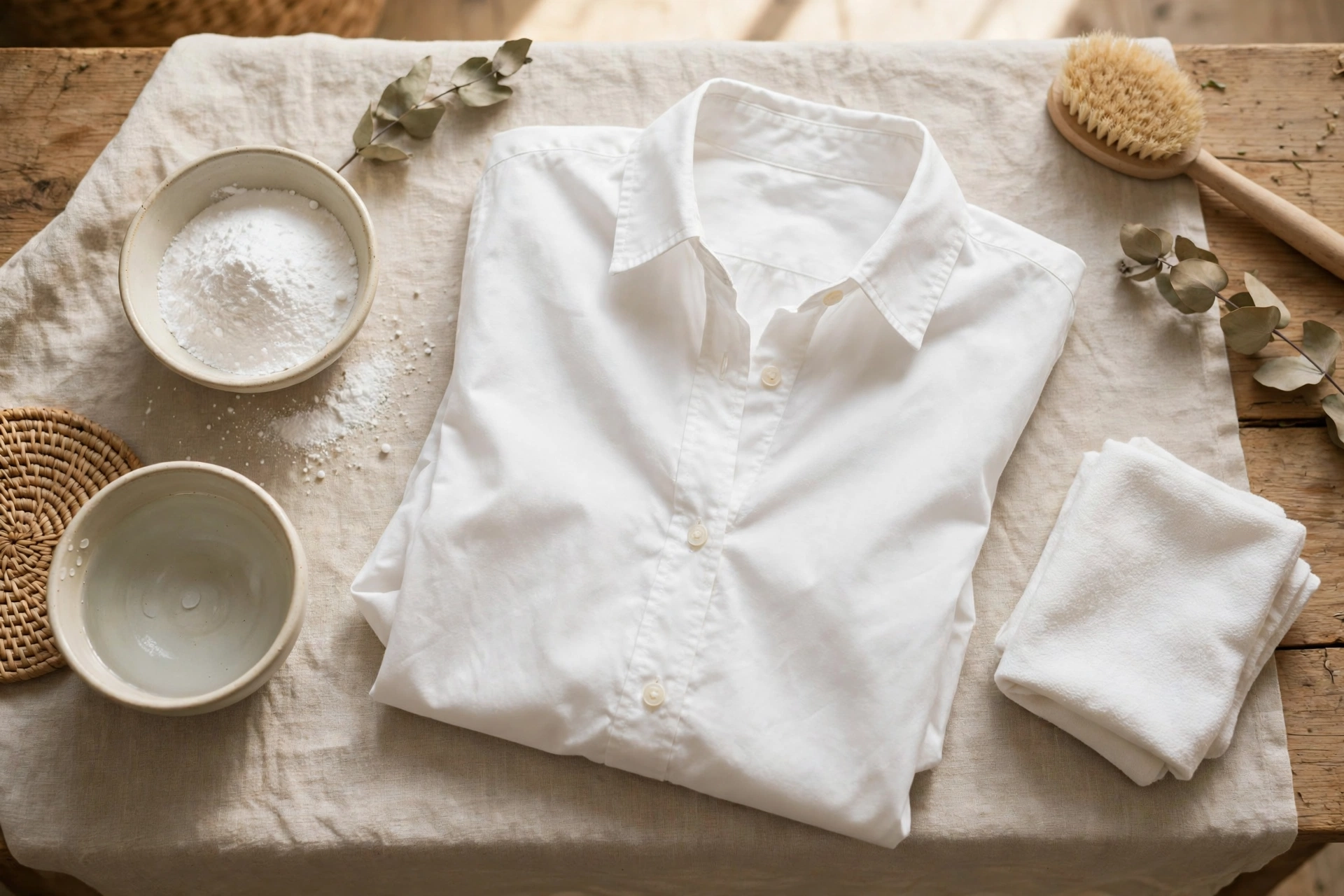
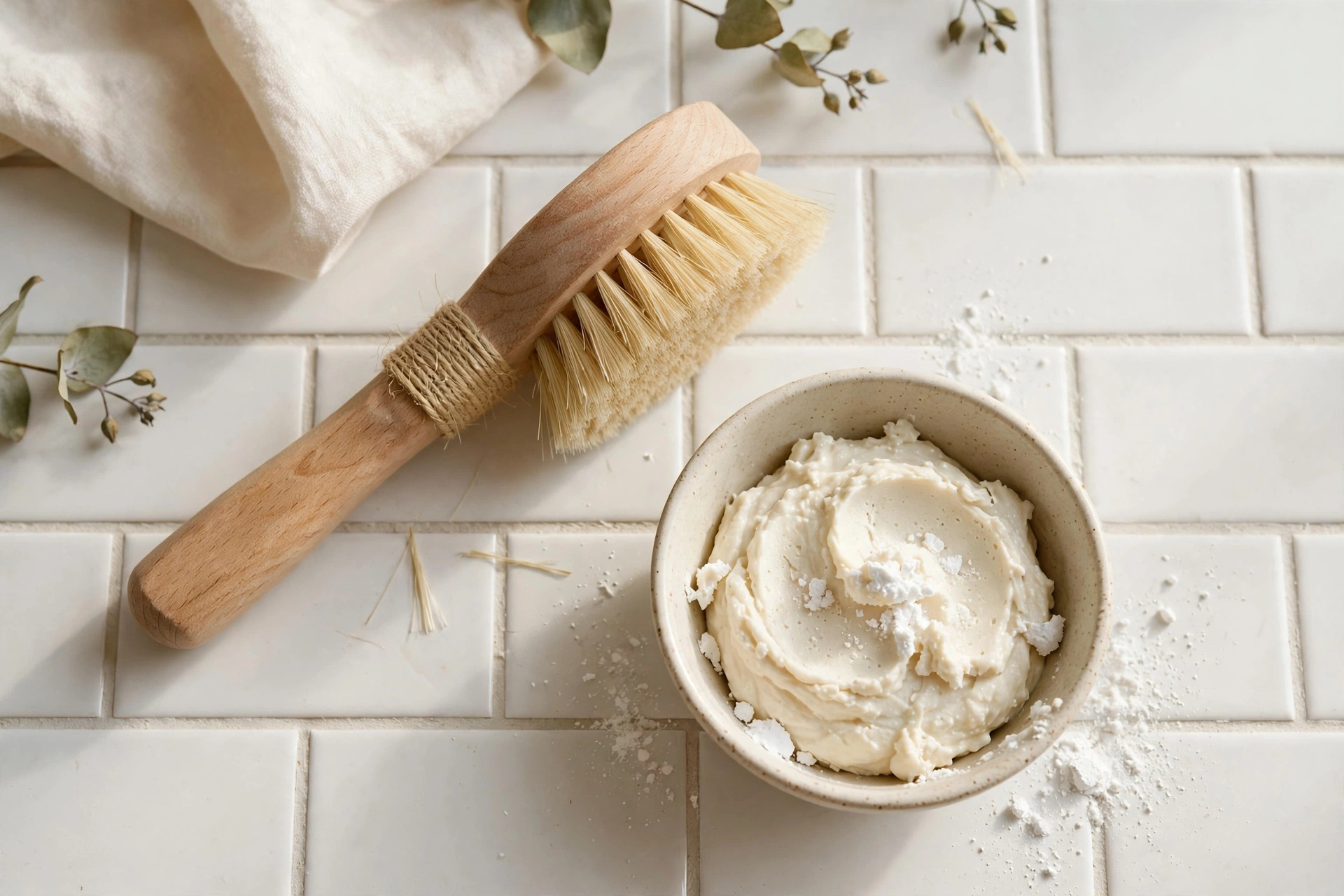
Removers include baking soda, activated charcoal, white vinegar in cleaning, fresh air and ventilation, and washing the thing that smells. They are less glamorous and they do not come in a "spring meadow" scent. What they do is actually take the odor out of the room, the fabric, or the surface, instead of arguing with it.
If you want a room to smell good for an evening, a masker is fine. If you want a room to stop smelling bad, you need a remover. Most homes need both, at different times, and the honest guides are the ones that say so instead of pretending one spray does it all.
What is actually in a conventional air freshener
This is where the label reading gets useful. Conventional plug-ins, sprays, and gels typically rely on synthetic fragrance, which on an ingredient list usually appears as a single word: "fragrance" or "parfum." That one word can stand for dozens of individual chemicals, and manufacturers are not required to break it down. Some of those chemicals are volatile organic compounds (VOCs), which evaporate into the air you breathe. Some fragrance formulas include phthalates, which are used to make a scent last longer.
None of that means every conventional freshener is dangerous. It means the label tells you very little, and "fragrance" is a curtain, not a list. If you have asthma, allergies, migraines, or chemical sensitivity, that curtain matters more, because fragrance is one of the most common indoor triggers people report, and you cannot avoid a specific ingredient you cannot see.
Plug-ins and heated devices release fragrance continuously, which means continuous exposure in a closed room, and aerosol sprays add propellants to the mix. Spraying them toward your face, a pet, or food is never a good idea, whatever the label says.
What "natural" means on these labels, and what it does not
Here is the part I wish someone had told me earlier. "Natural" on an air freshener is a marketing term, not a regulated standard. No agency defines it for this category, no one certifies it, and two brands can use it to mean entirely different things. One brand's natural spray might be water and essential oils. Another's might be a conventional formula with a plant extract added so the front of the bottle can say "with natural ingredients."
The same goes for "non-toxic" and "clean" on these products. They sound like safety guarantees. They are not. They are claims a brand makes about itself, with no standard behind them.
So read the ingredient list, not the front of the bottle. A genuinely simpler product will list a short set of ingredients you recognize: water, alcohol, essential oils, baking soda, plant-derived surfactants. A product that hides behind "fragrance" while calling itself natural is telling you that the word on the front matters more to the brand than the list on the back.
Essential oils deserve their own honest paragraph, because they get treated as automatically safe, and they are not. They are concentrated plant compounds, and concentrated means potent. Some people react to them, and some are irritating to pets, especially cats and birds. Diffusing oils in a closed room all day is not the same as lighting a candle for an hour, and "plant-based" is not the same as "harmless for everyone in the house."
The options, compared honestly
| Option | Masks or removes? | Best for | Honest limitation |
|---|---|---|---|
| Opening windows + ventilation | Removes | Any lingering odor, any room | Depends on weather and outdoor air |
| Baking soda (on carpets, in the fridge, in shoes) | Removes (absorbs) | Fabric and enclosed-space odors | Needs time to sit, then vacuuming or wiping |
| Activated charcoal bags | Removes (absorbs) | Closets, cars, small spaces | Slow, and saturates over time; needs recharging in sunlight |
| White vinegar in cleaning | Removes (neutralizes) | Surfaces, drains, laundry rinse | Smells like vinegar until it dries |
| Essential oil diffuser | Masks (pleasantly) | Ambience, a room you want to smell a certain way | Continuous fragrance; caution with pets, kids, and sensitive lungs |
| Simmer pot (citrus, herbs, spices in water) | Masks (pleasantly) | Before guests arrive; kitchen smells | Temporary, and never leave it unattended on the stove |
| Plug-ins and aerosol sprays | Masks | Quick fragrance on demand | Continuous or concentrated synthetic fragrance; least transparent labels |
| Scented candles | Masks (pleasantly) | An evening in one room | Open flame; soot from poor-quality wicks; scent fades fast |
Read that table with the masking-versus-removing lens and the shopping gets simpler. The removers are boring and unglamorous, and they are the ones that solve the problem. The maskers are pleasant, as long as you are not expecting them to do a remover's job.
What I actually do at home
I keep it simple, because simple is what I will actually maintain. Baking soda lives in the fridge and gets sprinkled on the carpet before vacuuming. Charcoal bags sit in closets and the car. Windows open whenever the weather allows, even for ten minutes, because fresh air does more than any product I have bought. When I want the house to smell welcoming before people come over, I simmer citrus peels and herbs on the stove, or I diffuse oils for an hour with the door open so it never gets heavy.
The pattern is: remove first, scent second, and never scent a room you have not aired. That order saves money, because you stop buying product after product to cover a smell that a trash bag and a window would have handled, and it saves your lungs, because you are breathing less fragrance overall.
A few habits round it out. Wash shower curtains, dish sponges, and trash cans on a schedule, because those are the sources that sneak up on you. Run the kitchen and bathroom fans during and after cooking and showering, so odor leaves instead of settling into fabrics. And if one room keeps smelling bad no matter what you do, look for dampness or a hidden leak before you buy another freshener.
Safety notes worth keeping
Fragrance sensitivity is real, and it is not a matter of being fussy. If someone in your home gets headaches, breathing trouble, or skin irritation around scented products, believe them and cut the fragrance first, not last. Kids and pets are smaller and breathe more air relative to their size, so a level of fragrance that seems mild to an adult can be a lot for them. Birds in particular are famously sensitive to airborne products, including diffusers, candles, and sprays, and homes with birds should skip most of them entirely.
Plug-ins deserve one more caution: check them the way you would any small heated appliance. Do not cover them, do not plug them into an overloaded strip, and replace them if they discolor, smell burnt, or feel hot. And keep all fresheners, especially diffuser oils and concentrated refills, out of reach of children and pets, because the concentrated versions are not meant to be swallowed or spilled on skin.
The bottom line
Natural air fresheners are not a category you can shop by the front of the bottle. "Natural" is a marketing word, "fragrance" hides the ingredient list, and the products that actually remove odor are mostly the unglamorous ones: air, baking soda, charcoal, vinegar, and washing the thing that smells. Maskers have their place, and a home that smells like citrus and herbs before friends arrive is a genuinely nice thing, but a masker will never fix a source you have not dealt with.
Remove first, scent second, read the back of the bottle, and let fresh air do the heavy lifting. That is the whole guide, and it is also the cheapest version.
This post is for general information only and is not medical advice. If you have a health condition, check with your clinician before changing supplements or routines.