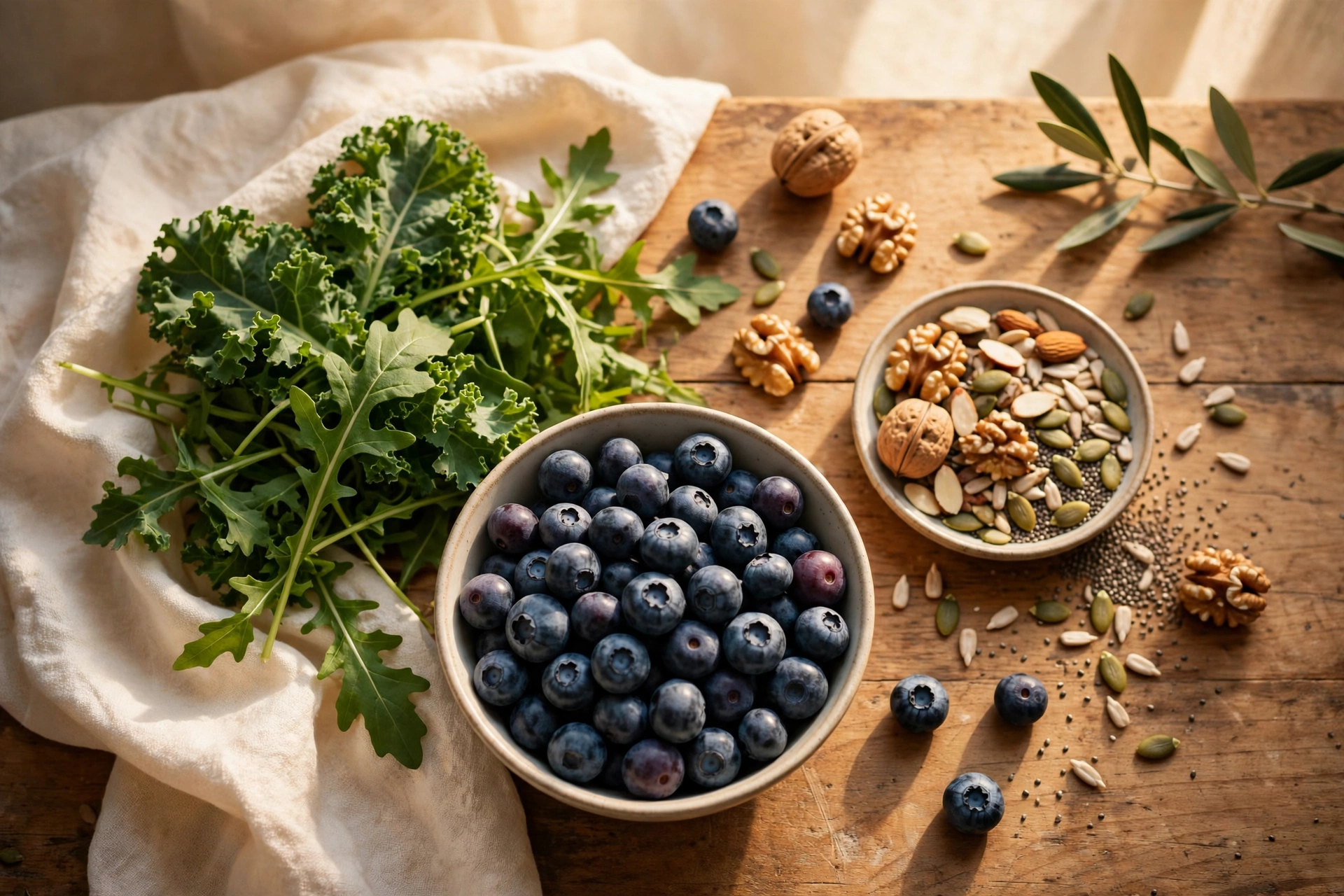
You know the pattern: a food you have never heard of shows up in a smoothie bowl, a celebrity credits it, the price triples, and six months later everyone has moved on. "Superfood" is not a scientific category — there is no official list, no regulator decides what qualifies, and no nutrient threshold a food must pass. It is a marketing word, invented to sell food, and it works because it promises a shortcut: eat this one thing and your health improves.
The shortcut does not exist. But the foods themselves are not all hype. Some so-called superfoods are genuinely nutrient-dense foods worth eating regularly. Others are ordinary foods with an exotic story and a luxury price. Here is the sort, food by food, with the marketing stripped off.
First, what "superfood" actually means: nothing official
This is worth saying plainly because the whole category rests on it. No agency defines "superfood." A food company can call anything a superfood — a berry, a seed, a powder, a chocolate bar with a sprinkle of something green — and nobody checks. That does not make the food bad. It makes the label useless as a guide, which is why this guide ignores the label and looks at the food instead: what nutrients it provides, whether it does something ordinary foods do not, and whether it is worth what it costs.
The useful question is never "is this a superfood?" but "what does this food add to my diet that I am not already getting?" For many superfoods, the answer is "nothing you could not get cheaper elsewhere."
Worth eating: the ones that earn it
Blueberries. The rare superfood that lives up to the name without drama. Blueberries are rich in anthocyanins, the pigments linked in research to brain and heart health, plus fiber and vitamin C, and the research is consistent across many studies. Frozen blueberries are just as nutritious as fresh, often cheaper, and available year-round.
Leafy greens: kale, spinach, chard, collards. Not exotic, not new, and still the most nutrient-dense foods you can buy for the money. They pack folate, vitamin K, calcium, magnesium, and fiber into very few calories, and the evidence linking them to heart and brain health is strong. Kale's fame was marketing, but the food underneath it is genuinely excellent — spinach and chard are just as good, and often cheaper.
Beans and lentils. The least glamorous food on this list, and arguably the most deserving. Beans provide fiber, plant protein, iron, magnesium, and folate, and they are among the foods most consistently linked to longer, healthier lives. They cost almost nothing, keep forever dried or canned, and make a meal filling in a way no powder can. If superfood status were decided by evidence per dollar, lentils would win.
Fatty fish: salmon, sardines, mackerel. The omega-3s in oily fish — EPA and DHA — are among the best-supported nutrients in nutrition science, linked to heart and brain health in a way plant omega-3s do not fully match. Sardines deserve a special mention: cheaper than salmon, lower in mercury, and richer in calcium because you eat the soft bones.
Nuts and seeds: walnuts, flax, chia, pumpkin seeds. Walnuts are the only nut with significant plant omega-3s, and the evidence for nuts and heart health is solid. Flax and chia are excellent fiber sources, and ground flax is better absorbed than whole. Pumpkin seeds are rich in magnesium and zinc. None will transform your health alone, but as everyday foods they are dense, filling, and easy to add.
Fermented foods: yogurt, kefir, kimchi, sauerkraut. These earn their place differently — not for one nutrient, but for live cultures that support gut health, plus protein and calcium in yogurt and kefir. The gut evidence is still developing, but traditional use and modern research point the same direction here. Choose versions with live cultures and, for yogurt, low added sugar.
Worth eating sometimes, not worth the pedestal
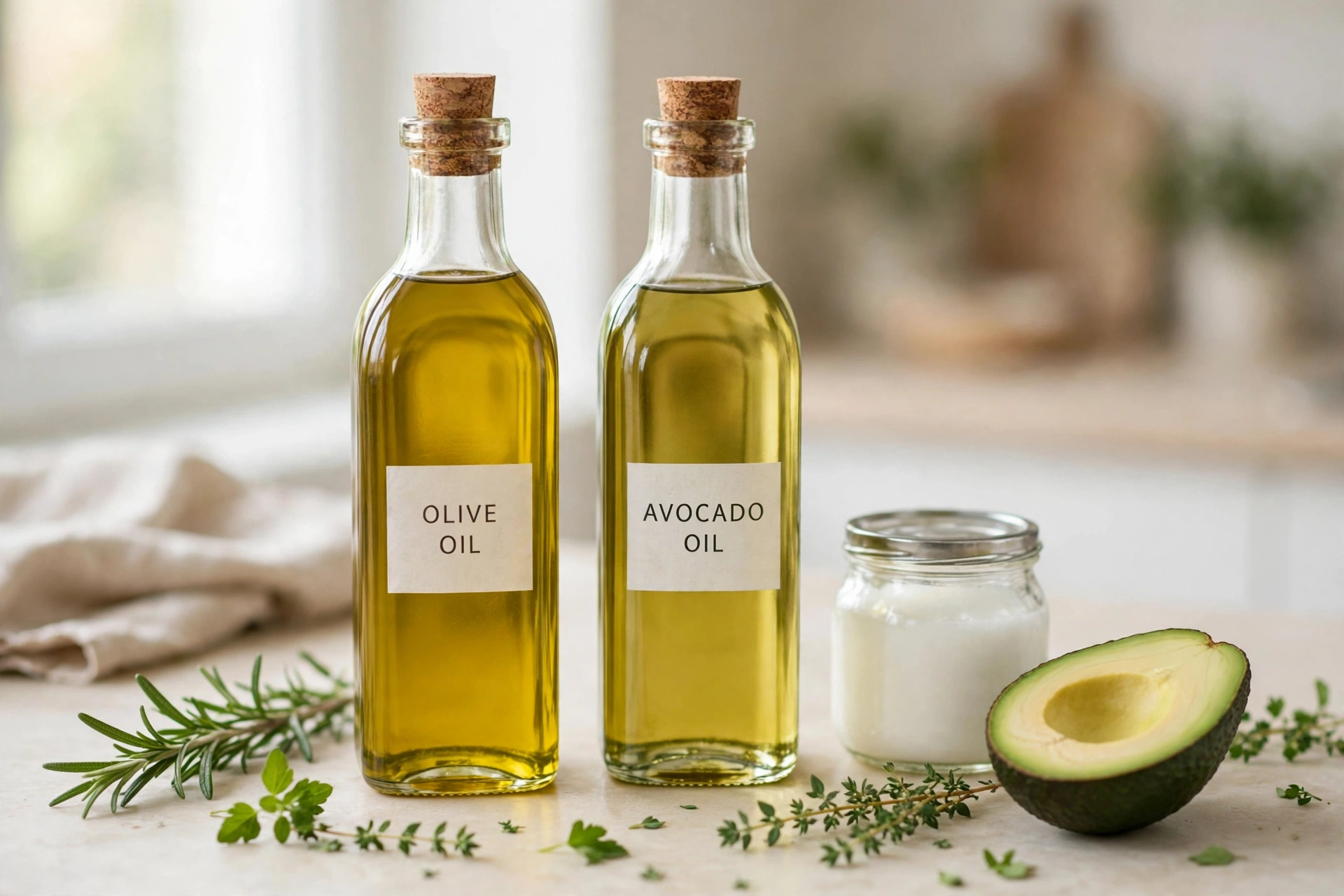
Avocado. Genuinely nutritious — monounsaturated fats, fiber, potassium — and genuinely useful. It does not, however, do anything unique. Olive oil gives you similar fats, beans give you similar fiber, bananas give you potassium, and all cost less. Eat avocados because you like them, not because they are magic.
Quinoa. A complete plant protein with fiber and magnesium, and a good swap for white rice. It earned its reputation fairly — but so did brown rice, farro, and barley, for a fraction of the price. Quinoa is a good food that got a luxury brand.
Sweet potatoes. Rich in beta-carotene, fiber, and potassium, and one of the most nutrient-dense starchy foods around. They sit here only because regular potatoes, carrots, and squash offer a similar profile for less money. Excellent, just not singular.
Dark chocolate. The flavonoids in cocoa have real, modest evidence for heart health, and dark chocolate is a far better treat than most. But the studies use cocoa, not candy, and most chocolate bars are mostly sugar and fat with a little cocoa. A square or two of high-cocoa chocolate is a good pleasure with a small benefit attached.
Mostly marketing: fine foods, inflated prices
Goji berries. The classic exotic superfood story: an ancient berry, a remote origin, a list of miraculous claims. The reality is a berry with decent antioxidants and vitamin C — roughly comparable to raspberries or cranberries — sold dried, often sweetened, at several times the price. The miracle claims rest on lab studies and tradition, not human trials.
Acai. Acai berries are rich in anthocyanins, like blueberries, and acai bowls are everywhere because they photograph beautifully. But the bowl is usually the problem: acai itself is low in sugar and fairly tart, so commercial bowls load it with sweetened puree, granola, and honey, turning a good berry into a dessert. The bowl that made it famous is mostly sugar with a purple story.
Spirulina and chlorella. Algae powders with an impressive nutrient list on paper: protein, iron, B vitamins, antioxidants. In practice, the serving is tiny — a teaspoon or two — so the actual nutrients you get are small, the taste is strong enough to ruin a smoothie, and the price per nutrient is terrible compared with eating actual greens. They are also at risk of contamination, since algae absorb metals from their growing water. A handful of spinach gives you more, for less.
Maca powder. A Peruvian root powder sold for energy, hormones, and libido, with a long traditional use and very thin modern evidence. Small studies suggest possible effects on mood and sexual function, but they are small, short, and inconsistent, and the hormone claims are not supported. At its price, you are paying for a story, not a result.
Wheatgrass shots. The poster child for superfood theater: a tiny, expensive shot of grass juice, sold with detox and alkalizing claims that have no scientific basis. Your body regulates its own pH, and no grass shot changes that. Wheatgrass contains some vitamins and chlorophyll, but so does any green vegetable, in larger amounts, for less money. The shot is a performance, not a nutrient strategy.
The table: superfoods at a glance
| Food | Verdict | Why | Cheaper swap |
|---|---|---|---|
| Blueberries | Worth it | Consistent research, anthocyanins, fiber | Frozen blueberries |
| Leafy greens | Worth it | Most nutrients per dollar of any food group | Any dark green on sale |
| Beans and lentils | Worth it | Fiber, protein, minerals; linked to long-term health | Already the cheapest food here |
| Fatty fish | Worth it | EPA and DHA omega-3s, best-supported fish nutrients | Sardines instead of salmon |
| Nuts and seeds | Worth it | Healthy fats, fiber, magnesium | Peanuts and sunflower seeds |
| Fermented foods | Worth it | Live cultures, protein, calcium | Plain yogurt, homemade kraut |
| Avocado | Good, not magic | Healthy fats and fiber, nothing unique | Olive oil, beans, bananas |
| Quinoa | Good, not magic | Complete protein, good grain swap | Brown rice, barley, farro |
| Sweet potatoes | Good, not magic | Beta-carotene, fiber, potassium | Carrots, squash, potatoes |
| Dark chocolate | Good treat | Cocoa flavonoids, modest evidence | A square of high-cocoa chocolate |
| Goji berries | Mostly marketing | Ordinary berry nutrition at luxury prices | Raspberries, cranberries |
| Acai bowls | Mostly marketing | Good berry buried in sugar | Mixed berries |
| Spirulina and chlorella | Mostly marketing | Tiny servings, high price, contamination risk | Actual leafy greens |
| Maca powder | Mostly marketing | Thin evidence, high price | Nothing needed |
| Wheatgrass shots | Mostly marketing | Detox claims have no basis | Any green vegetable |
The pattern to watch for
Once you have seen it a few times, the superfood playbook is easy to spot.
- An exotic origin story. A remote mountain, an ancient tribe, a secret valley. Origin is not nutrition.
- A lab study stretched into a human claim. Antioxidants killing cells in a dish is not a food preventing disease in a person.
- A single nutrient, inflated. A food "rich in vitamin X" may contain less per serving than an ordinary food you already eat.
- A powder or shot format. Concentrating a food into a powder lets sellers charge more for less food, and the serving is usually too small to matter.
- A price that signals health. Expensive does not mean effective. The healthiest foods here — beans, greens, frozen berries — are among the cheapest.
What to do instead of chasing superfoods
If you want the benefit the superfood industry promises, here is the unglamorous version that actually works: eat a variety of vegetables daily, with leafy greens several times a week; eat beans or lentils a few times a week; eat fatty fish once or twice a week if you eat fish; and eat berries, fresh or frozen, as your everyday fruit. That pattern, not any single food, is what the research links to better health.
No single food transforms your health, and no single food ruins it either. A diet is a pattern over months and years, not a hero ingredient. Your health is built by the supporting cast — the beans, the greens, the fish, the nuts — showing up again and again in ordinary meals.
The bottom line
Blueberries, leafy greens, beans, fatty fish, nuts, and fermented foods are worth eating regularly — not because a label calls them superfoods, but because the evidence and the value both check out. Avocados, quinoa, sweet potatoes, and dark chocolate are good foods that do not need a pedestal. Goji berries, acai bowls, algae powders, maca, and wheatgrass shots are mostly marketing: fine ingredients, inflated stories, and prices that buy you nothing an ordinary food does not already provide. Spend your money on the boring foods and let the next exotic powder pass you by.
This post is for general information only and is not medical advice. If you have a health condition, check with your clinician before changing supplements or routines.