You’ve probably seen sea moss gel in a fridge at a health food store, or stirred into a smoothie on social media, promising everything from glowing skin to a stronger immune system. I was curious too — and a little skeptical, because the claims tend to run far ahead of the evidence.
Here’s the honest version: what Irish sea moss actually is, what it might do for you, where the hype outruns the science, and what to watch out for before you try it.
What Irish sea moss actually is
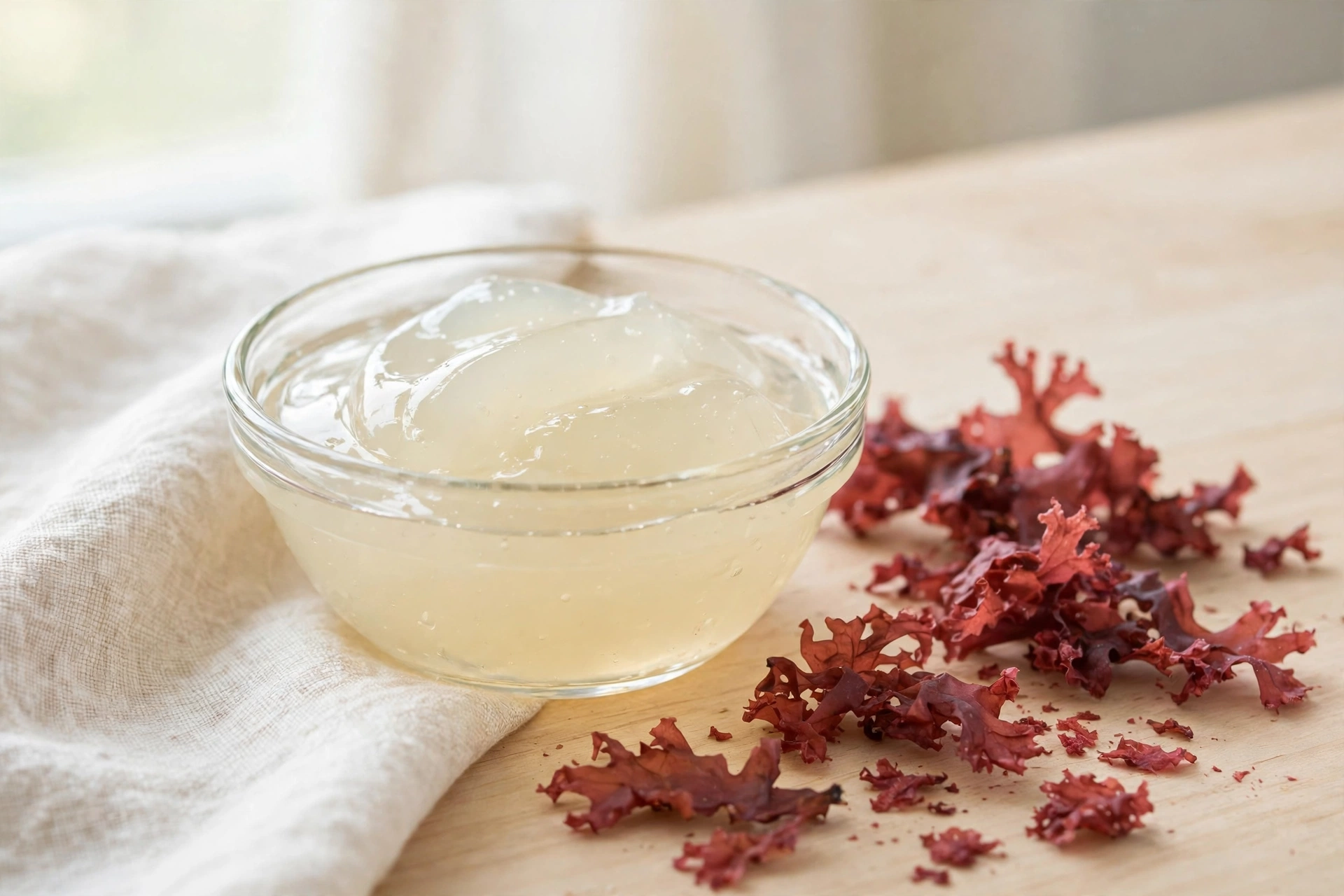
Irish sea moss is a type of red seaweed, Chondrus crispus, harvested along the Atlantic coasts of Ireland, North America, and parts of Europe. Traditionally it was boiled into a jelly and used in puddings and as a thickener — that gelling quality comes from carrageenan, a compound in the seaweed itself.
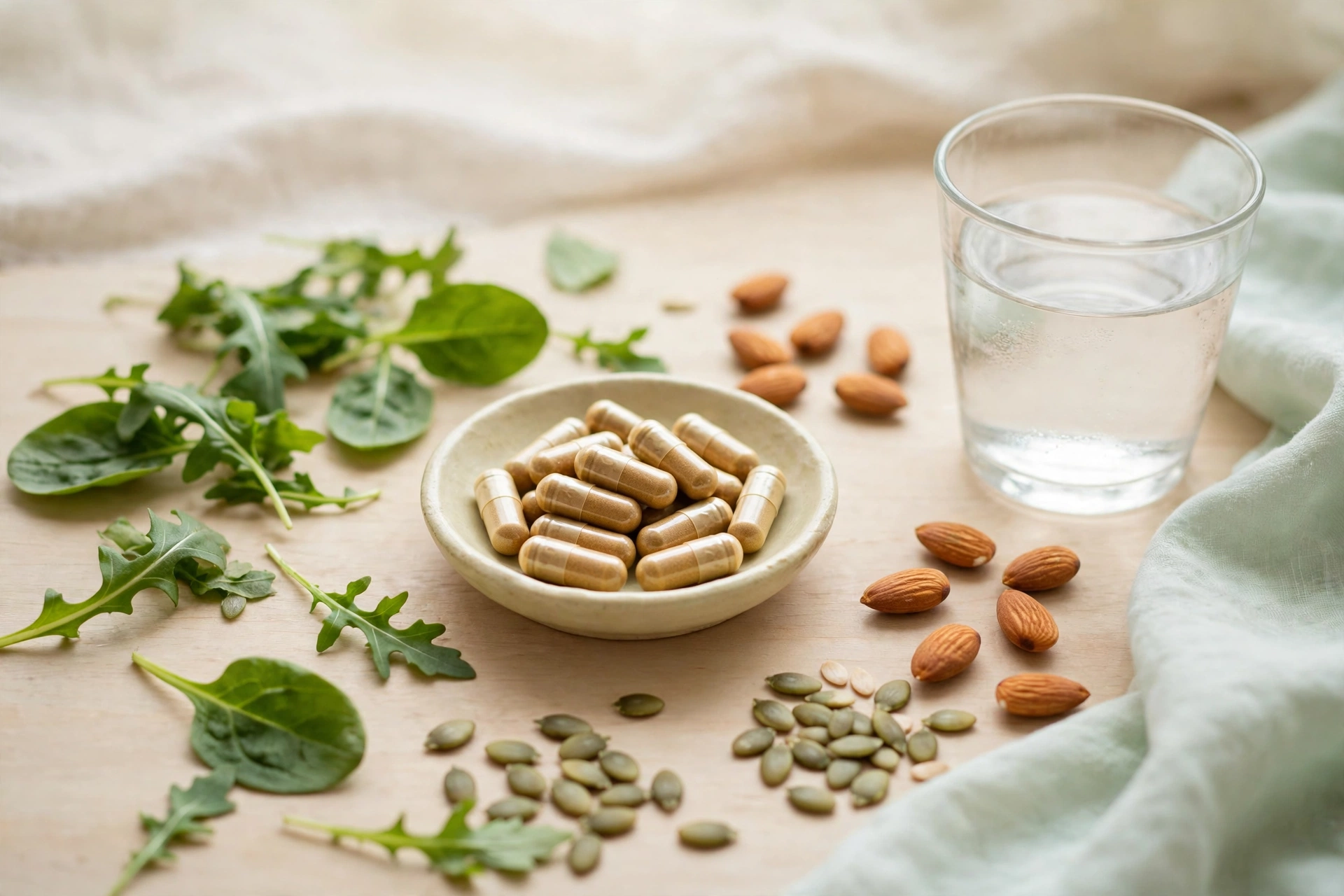
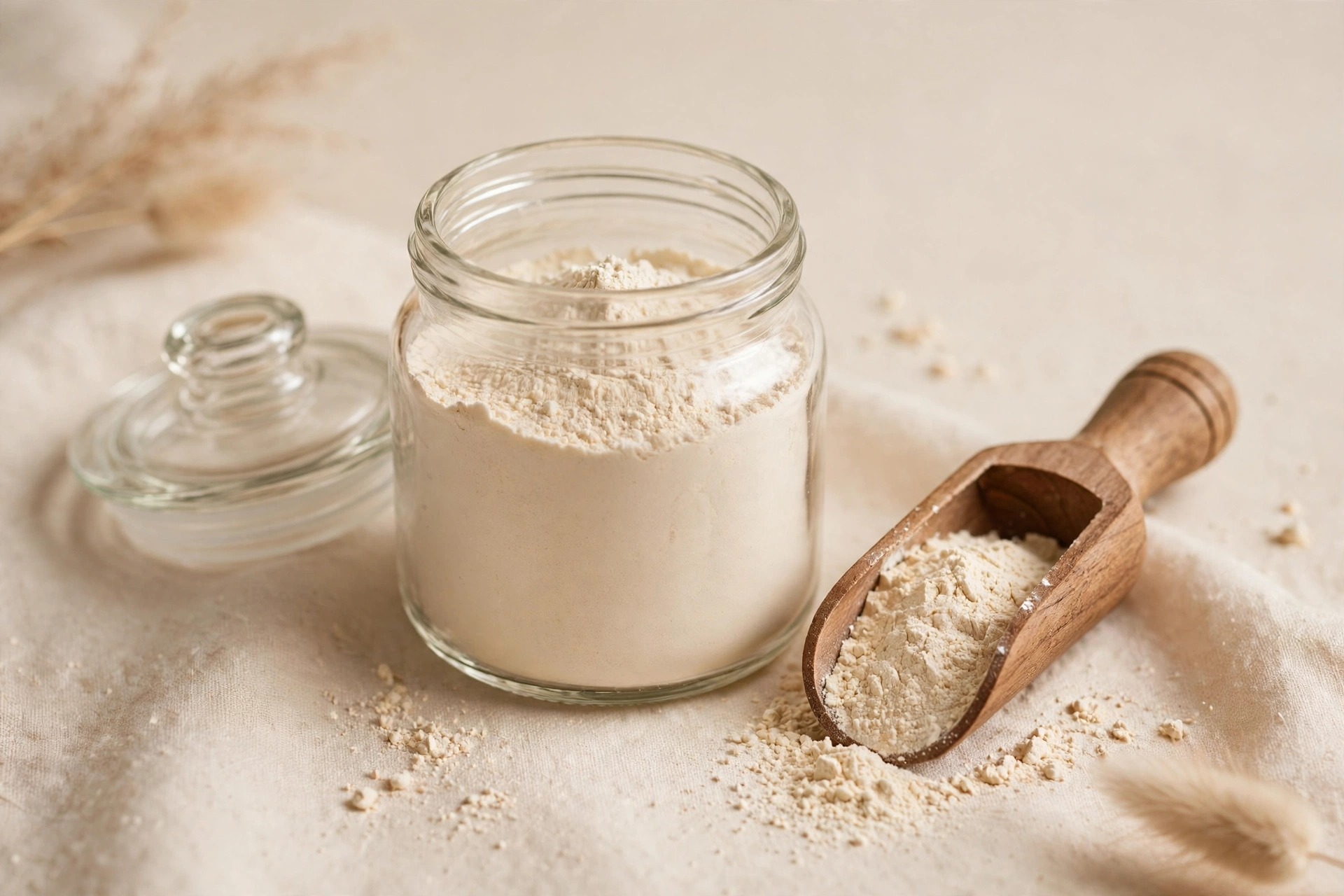
Today you’ll mostly find it as a gel, a dried whole seaweed you soak and blend yourself, a powder, or capsules. Despite the name, not everything sold as “sea moss” is Irish sea moss — some products are a different species, Gracilaria, grown in warmer waters. If the label doesn’t say Chondrus crispus, you’re not necessarily getting the traditional Irish variety.
Nutritionally, sea moss is low in calories and contains iodine, potassium, calcium, magnesium, and small amounts of other minerals, plus some fiber. That mineral mix is the basis for most of the health claims — but “contains a mineral” and “gives you enough of it to change your health” are two different things, and the amounts vary a lot by product, harvest, and preparation.
The benefits, honestly weighed
Thyroid support — with a big caveat. Sea moss contains iodine, and your thyroid needs iodine to make thyroid hormones. If you’re low in iodine, getting more can help. But most people in the United States already get iodine from iodized salt and dairy, and too much iodine can throw thyroid function off in the other direction. This is the benefit most likely to help the wrong person in the wrong dose.
Gut and digestion. Sea moss is a source of soluble fiber and polysaccharides that feed gut bacteria in laboratory and animal studies. That makes a gut benefit plausible, and the gel texture is gentle on the stomach for many people. Human trials specifically on sea moss and gut health, though, are still thin — so I’d call this promising, not proven.
Skin and hydration. The same gelling compounds that thicken a smoothie also make sea moss popular in skincare, and people often report softer skin. There’s some traditional use and early research behind the soothing, hydrating angle, but most of the glowing-skin claims you see online are anecdotes, not clinical results.
Immune support. Seaweed polysaccharides have shown immune activity in lab studies, and sea moss contains antioxidants. That’s interesting, but lab studies are a long way from “this gel will keep you from getting sick.” I wouldn’t buy it for immunity alone.
Energy and general wellness. Some people say they feel more energized after adding sea moss, which may come from its mineral content or simply from eating a more nutrient-dense food. There’s no strong human evidence that sea moss itself boosts energy, and any effect is likely modest.
The pattern, plainly: the mineral and fiber content is real, the dramatic claims are not. Sea moss is a nutritious seaweed, not a cure-all, and most of its celebrated benefits rest on traditional use, lab studies, or small human trials — not the kind of evidence that supports the miracle language in the ads.
What it won’t do
A few claims worth setting aside before they set your expectations wrong.
- Detox your body. Your liver and kidneys do that already. Sea moss doesn’t “flush toxins” in any clinically meaningful sense.
- Replace a varied diet. A spoonful of gel doesn’t cover for missing vegetables, protein, or sleep, no matter how many minerals are listed on the jar.
- Cure thyroid disease. Iodine helps only if you’re deficient, and it can complicate thyroid conditions. It is not a thyroid treatment.
- Work overnight. Any nutritional benefit builds over weeks of consistent use, not a single smoothie.
The forms, in plain English
| Form | What it is | Best for | Watch out for |
|---|---|---|---|
| Sea moss gel | Soaked, blended seaweed, sold refrigerated | Stirring into smoothies and drinks | Short fridge life; check for added sweeteners or preservatives |
| Dried whole sea moss | Raw dried seaweed you rinse, soak, and blend | Knowing exactly what you’re getting, no additives | Needs preparation; rinse well, since seaweed can carry sand and salt |
| Powder | Dried, ground sea moss | Adding to soups, teas, and smoothies | Easiest to over-scoop; iodine content varies |
| Capsules | Powder in capsule form | Convenience and consistent portion size | Hardest to verify quality; check for third-party testing |
The boring rule holds here too: a short ingredient list and third-party testing beat a pretty jar. Seaweed can absorb heavy metals from the water it grows in, so sourcing and testing matter more than the brand story. Look for a product that names its species, its harvest origin, and its testing — and skip anything that won’t say where it came from.
Who should be careful — read this before your first spoonful
Sea moss is a food, and for most healthy adults in small amounts it’s generally considered safe. But the caution list matters, especially because of iodine.
- Thyroid conditions. If you have hypothyroidism, hyperthyroidism, or take thyroid medication, extra iodine can interfere with your levels. Talk to your clinician first.
- Pregnancy and breastfeeding. Iodine needs change in pregnancy, and excess iodine can affect the baby’s thyroid. Check with your clinician rather than self-dosing.
- Iodine sensitivity or allergy. Rare, but real — if you’ve reacted to iodine or seaweed before, skip it.
- Blood-thinning medication. Seaweed contains small amounts of vitamin K and other compounds that can interact in theory; if you take blood thinners, ask your clinician.
- Heavy metals. This is a sourcing issue, not a reason to fear all sea moss — but it’s why untested, mystery-origin products are a bad buy.
- Digestive sensitivity. Large amounts can cause bloating or stomach upset, especially the gel. Start small.
If anything on this list applies to you, the right move is a clinician conversation, not a jar from the fridge section. And if a product promises to fix your thyroid, clear your skin, and supercharge your immunity all at once, that’s marketing, not medicine.
The bottom line
Irish sea moss is a genuinely interesting traditional food: low-calorie, mineral-rich, fiber-containing, and versatile in the kitchen. The honest story is smaller than the hype — plausible gut and skin benefits, a real but double-edged iodine contribution, and a lot of claims that outrun the human evidence so far.
If you try it, try it with your eyes open: a tested product from a named source, a small amount to start, and a clinician looped in if you have a thyroid condition or take medication that iodine could affect. If you were hoping for a miracle seaweed, the miracle isn’t in the jar — but a nutrient-dense traditional food, used sensibly, is still worth knowing about.
This post is for general information only and is not medical advice. If you have a health condition, check with your clinician before changing supplements or routines.